
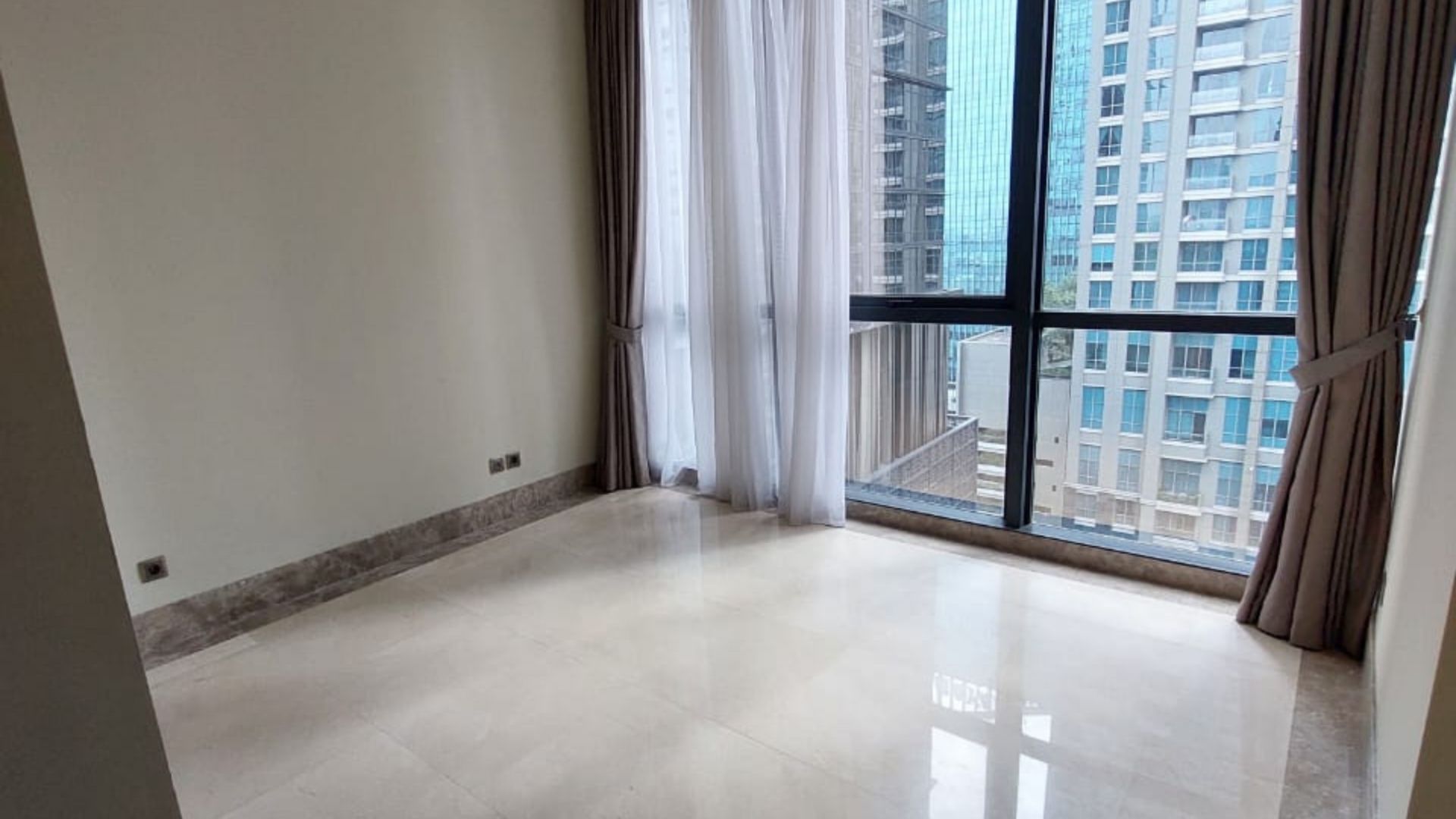
A beautiful apartment can still sit empty.
It may photograph well. The furniture may look expensive. Viewers may even say they like it. Yet the lease never moves forward.
For a landlord, that is usually a sign to stop asking, “How can I make this look better?” and start asking, “What is making this harder to choose?”
Tenants do not rent appearance alone. They compare price, daily function, physical condition, presentation and lease terms as one decision. A weakness in any one of those areas can outweigh a strong first impression.
Before reducing the rent or starting another renovation, audit the apartment in the five areas below.
A Quick Jakarta Market Check Before You Diagnose the Unit
Tenants make decisions by comparison, and even a well-presented apartment can lose out when similar options offer better value or are easier to move into.
Current Colliers Jakarta apartment research for Q2 2026 describes a market focused on existing and ready-to-occupy stock, with cautious demand and relatively stable selling prices.
JLL’s Jakarta Residential Market Dynamics Q2 2026 similarly describes soft residential conditions and largely unchanged condominium prices.
Bank Indonesia’s Q1 2026 Residential Property Price Survey also reported limited price growth in the primary residential market.
These sources do not measure the vacancy of your individual rental unit. Their practical value is simpler: a landlord still needs to understand how the specific apartment compares with the alternatives a tenant can choose today.
| The five-part landlord audit If a good-looking apartment is not leasing, check the problem in this order: 1. Price — Is the asking rent justified against current alternatives? 2. Function — Does the apartment make everyday life easy? 3. Condition — Does anything create doubt about safety, maintenance or care? 4. Presentation — Do the listing and viewing tell the same, credible story? 5. Lease terms — Is the practical deal easy enough to accept? |
1. Price: Is the Apartment Competing With the Right Alternatives?
Landlords naturally think about ownership costs, while tenants judge the apartment against what the same budget can rent today.
Purchase price, renovation spend, furniture, service charges, financing and past expectations may all matter to the owner. They do not automatically determine what a tenant will accept today.
A prospective tenant is comparing your unit with other available homes at a similar budget. The competing apartment may be newer, closer to work or school, easier to move into, more flexible on terms, or simply better maintained.
A higher asking rent can still make sense when the difference is clear and useful. That advantage might come from layout, privacy, condition, furnishing, building management, view, storage or convenience.
The important question is whether the tenant can see what they are paying extra for.
Use current Jakarta residential listings as one reference point, then compare like with like: similar building, size, condition, furnishing level and lease period.
Do not reduce the rent automatically after a few weak enquiries. First check whether the problem is price—or whether another part of the apartment is creating friction.
2. Function: Does the Apartment Actually Work for Daily Life?
An apartment can look recently updated and still feel inconvenient when its lighting, furniture, storage or circulation do not support daily routines.
This is where many of the strongest “outdated apartment” signs become useful. They are not really about age. They are about whether the home supports the way a tenant needs to live.
Lighting Can Make the Whole Apartment Feel Older
One harsh ceiling light, dark corners, inconsistent colour temperatures, blocked natural light or no task lighting can make otherwise good finishes feel flat and tired.
Before replacing major surfaces, check whether the apartment has enough general light, task light for cooking or working, and softer light for evenings. Cleaning windows, changing a few dated fixtures, improving curtains and correcting light temperature can sometimes make a bigger difference than adding decoration.
The goal is not maximum brightness. It is clarity, comfort and flexibility throughout the day.
Furniture Scale Can Make a Good Layout Feel Small
Furniture may still be in good condition but be wrong for the room.
- A sofa dominates the living area
- Dining chairs block the main walking route
- A bed leaves poor access to the wardrobe
- Large cabinets make the room feel visually heavy
- Too many occasional tables interrupt circulation
- Furniture fills every wall and leaves no breathing room
Before replacing everything, remove pieces that do not have a clear purpose and test a better layout. Then replace only the items that are genuinely causing the problem.
For a deeper layout check, see 5 Signs Your Interior Layout Is Working Against You.
Storage Should Follow Real Behaviour
Storage is not useful simply because there is a lot of it. It needs to be where daily life creates clutter.
Shoes need a place near the entrance. Luggage needs somewhere realistic to go. Work equipment needs storage close to a desk. Bedrooms need wardrobes that are easy to use without blocking circulation.
If everyday items have nowhere logical to go, the unit can feel less livable during a viewing even when it has generous floor area.
Modern Routines Need Practical Support
A tenant may also notice missing power points, weak internet coverage, poor blackout curtains, no practical work area, inflexible bedrooms or a laundry setup that makes everyday routines harder.
A second bedroom is not automatically a good office. A large dining table is not automatically useful if it removes the only workable desk position.
For owners planning a physical update, Apartment Renovation in Jakarta provides a broader framework for deciding how renovation changes when the goal is renting rather than personal living.
3. Condition: Do Small Defects Create Big Doubts?
Small defects can quickly change the feeling of a viewing because they suggest how carefully the apartment has been maintained.
Loose handles, stained sealant, flickering lights, noisy air conditioning, water marks, damaged curtain tracks, chipped tiles, unpleasant odours and appliances that do not work properly can change the tone of a viewing.
The tenant is not only seeing a defect. They may be asking what it says about the way the property will be managed after move-in.
Start With Safety and Urgent Repairs
Before styling or photography, separate defects into four groups:
- Safety or urgent repair
- Functional problem
- Visible cosmetic defect
- Cleaning or presentation issue
Safety and functional problems come first. Check electrical points, lighting, plumbing, drainage, air conditioning, doors, locks, appliances and any signs of moisture or leakage.
Do not hide a repair issue behind furniture or styling. It will usually reappear during the viewing, inspection or move-in.
Kitchens and Bathrooms Reveal Real Condition Quickly
An older kitchen or bathroom does not automatically need to be replaced. Clean, functional and well-maintained can be more convincing than a cosmetic update that leaves weak ventilation, poor drainage or broken hardware underneath.
Start with deep cleaning and repair. Then decide whether selected changes such as lighting, handles, sealant, mirrors, taps or damaged finishes are enough. Move to a larger renovation only when function, plumbing, electrical capacity, waterproofing, ventilation or layout genuinely requires it.
Maintenance Is Part of the Landlord Promise
A tenant is also deciding whether the owner or manager will respond when something goes wrong. Clear maintenance responsibility can matter as much as visual quality.
Where the wider issue is leasing, reporting or maintenance coordination, Noble Asia’s property management service may be more relevant than another decorative update.
4. Presentation: Do the Photos and Viewing Tell the Same Story?
Strong photos attract attention, but the viewing needs to deliver the same sense of space, condition and quality.
Photography Can Make a Good Apartment Look Older
Dark photographs, incorrect colour balance, closed curtains, clutter, wrinkled bedding, too many decorative objects and photos taken before repairs are completed can weaken the first impression.
Before photography:
- Finish visible repairs.
- Remove unnecessary furniture and objects.
- Open curtains and check natural light.
- Turn on the right lights rather than every light.
- Clean glass, mirrors and reflective surfaces.
- Style beds, tables and seating simply.
- Photograph functional spaces, not only decorative corners.
- Show useful storage when it is a real advantage.
- Keep editing accurate.
- Make sure the apartment will look the same when the tenant arrives for a viewing.
The Listing Needs a Clear Reason to Choose the Unit
Bedrooms, floor area, facilities and price are necessary facts. They are not a complete property story.
A stronger listing explains how the apartment supports real life. A second bedroom may work as a child’s room, guest room or home office. Good storage may make long-term living easier. A practical layout may matter more than another decorative feature.
The goal is not to make the listing appeal to everyone. It is to help the most relevant tenant understand why the apartment may fit them.
The Viewing Must Confirm the Online Promise
Heavy filters, extreme wide-angle photography or selective framing may generate enquiries but damage trust if the real apartment feels darker, smaller or more worn.
The strongest viewing is the one where the tenant thinks, “This is what I expected—and now I understand it better.”
5. Lease Terms: Is the Practical Deal Easy Enough to Accept?
A suitable apartment can still lose momentum when payment terms, responsibilities or move-in conditions feel harder than competing options.
A tenant may like the unit and still walk away because the lease structure feels difficult compared with another option.
Check whether the important terms are clear before the viewing process goes too far:
- Lease period
- Payment schedule
- Deposit
- What is included or excluded
- Utilities and service charges
- Repair and maintenance responsibility
- Inventory and handover condition
- Move-in timing
- Renewal process
- Any flexibility the owner is genuinely willing to consider
Flexibility does not mean agreeing to every request. It means knowing in advance which terms are fixed, which can be discussed, and who has authority to decide.
A good apartment can lose momentum when every practical question takes days to answer.
Before You Renovate, Diagnose the Vacancy
The most useful update is the one that fixes the real reason tenants hesitate, whether that is price, function, condition, presentation or lease terms.
A landlord may assume the answer is a full renovation when the main issue is pricing. Another unit may be priced correctly but need repairs. Another may function well but be furnished so heavily that tenants cannot see the space.
A useful diagnosis separates the apartment into three possible outcomes:
- The apartment is suitable but marketed or priced poorly.
- The apartment needs selected functional, maintenance or furnishing improvements.
- The apartment needs more substantial repositioning or renovation.
This protects the owner from spending on visible changes that do not solve the reason tenants are saying no.
A Better Landlord Question
The strongest rental offer is not simply the most attractive one; it is the one that gives the right tenant fewer reasons to hesitate.
Is the price credible? Does the layout work? Are the lighting, furniture and storage helping? Is the apartment clean, safe and maintained? Do the photographs represent the real unit? Are the lease terms clear enough to move forward?
A beautiful apartment is only one part of the answer. The stronger rental home is the one that gives the right tenant fewer reasons to hesitate.
Request a Unit Review
A useful unit review starts with the building, unit size, asking rent, marketing period and the feedback received from enquiries or viewings.
Noble Properties Asia can review the property from pricing, tenant fit, condition, presentation and lease-positioning perspectives, and coordinate with Noble Design Asia where a physical update is genuinely relevant.
WhatsApp Noble Properties Asia: +62 813 1668 5505
Frequently Asked Questions
Landlords often need to separate a pricing issue from a repair, furnishing, presentation or lease-structure problem before deciding what to change.
Why can a beautiful apartment still stay empty?
Because visual appeal is only one part of the rental decision. Price, function, physical condition, presentation and lease terms can all create reasons for a tenant to choose another unit.
Should I reduce the rent or renovate first?
Diagnose the apartment first. Compare the asking rent with realistic alternatives, then check function, repairs, presentation and lease terms. The right action may be pricing, selected repairs, furniture changes, better photography or a larger renovation.
What should I repair before marketing the apartment?
Start with safety and functional issues: electrical points, plumbing, drainage, air conditioning, locks, appliances, moisture, leaks and anything that affects reliable daily use. Then address visible cosmetic defects.
Can old furniture still work in a rental apartment?
Yes. Furniture does not need to be new if it is comfortable, well maintained, correctly scaled and appropriate for the room. Quality pieces may be worth refinishing rather than replacing.
How important is storage for tenants?
Storage matters when it supports real routines. Entry storage, wardrobes, luggage space, work storage and practical kitchen storage can make an apartment easier to occupy without adding visual clutter.
Can better photography solve a vacancy problem?
It can improve first impressions and help the right tenant understand the apartment, but it cannot solve unrealistic pricing, poor condition, weak function or difficult lease terms.
Can Noble Asia review a vacant apartment before I renovate?
Yes. Noble Properties Asia can review the property from the landlord and leasing perspective and involve Noble Design Asia when design, furnishing or renovation needs to be assessed. Scope, budget and recommendations should be confirmed after reviewing the actual unit.



Join The Discussion