
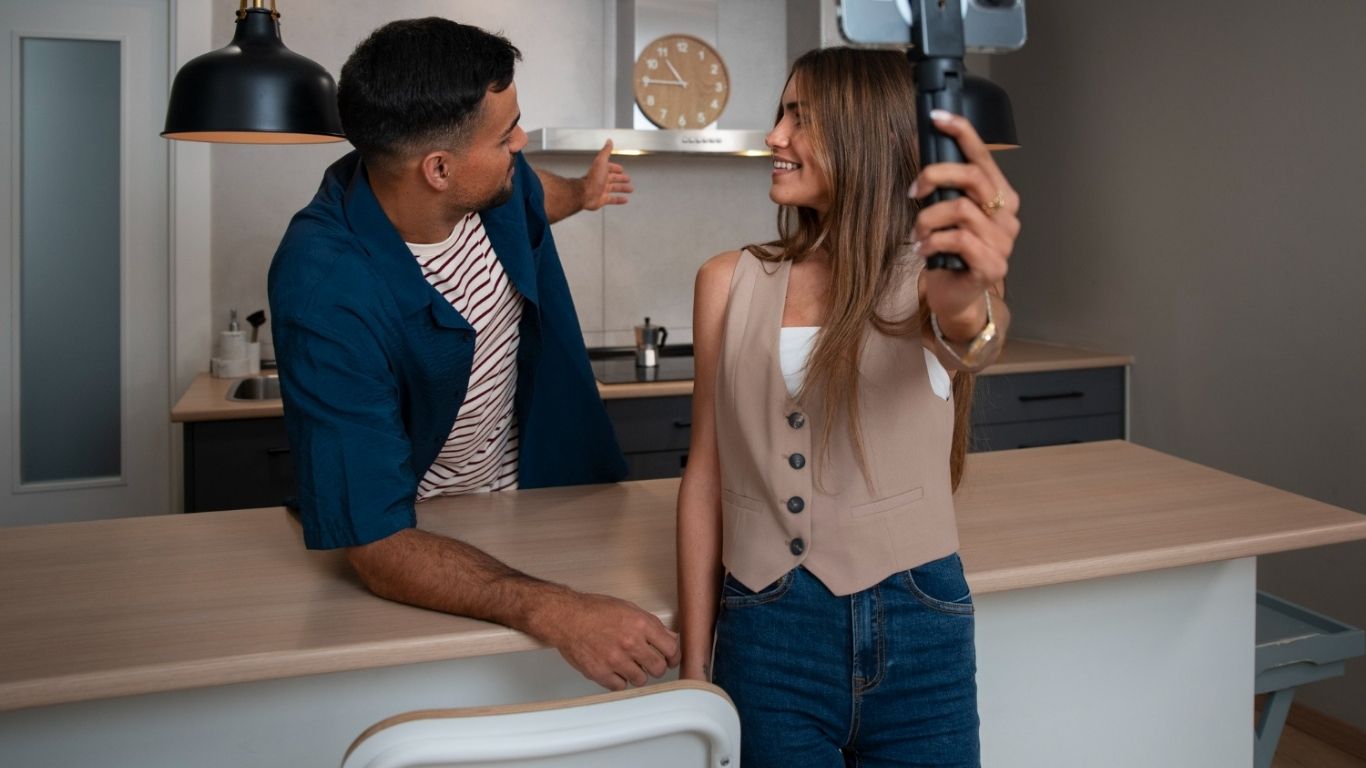
A useful virtual apartment viewing should show the exact unit you are considering, follow a continuous route through it, and leave you with measurements and a written list of unanswered questions. Ask for a live walkthrough where you can pause, look again and check details that matter to your household.
Listing photographs help you decide which apartments deserve attention. A guided viewing helps you understand how the rooms connect, what furniture is actually there and whether the unit could support your daily routine.
The goal is to build a reliable shortlist from overseas. You should finish knowing what you have seen, what has only been described, and what needs a local check before a commitment.
Send Your Housing Priorities Before the Call
Give the agent a short brief covering who will live in the apartment, the expected move-in period, preferred location, budget and intended rental duration. Add the practical details that photographs rarely answer.
If you are still building your shortlist from overseas, our home search service in Jakarta can help you discuss your housing requirements and suitable options before arranging viewings. A clear brief gives the team a useful starting point for matching apartments to your daily needs.
If two people work from home, explain whether you both take calls during the day. If you are moving with children, specify the sleeping arrangement and storage you need. If you are bringing furniture, list the pieces that could determine whether the layout works.
Choose a small set of priorities for the viewing. For example: a separate work room, enough space around the dining table, and somewhere to dry laundry. This makes the walkthrough more useful than asking the agent to show everything equally quickly.
Agree on the time zone and ask whether the unit can be shown in daylight. Confirm whether it is vacant or occupied and what can reasonably be opened or tested with permission. If you want to record the call, request consent in advance.
Confirm the Exact Unit Before Looking at the Rooms
Start by checking the building, tower and unit reference with the agent. Ask whether the photographs, floor plan and video all refer to the same apartment.
Establish when the listing information was last confirmed and whether any advertised furniture has been removed or replaced. A model unit, another apartment with the same layout, or an older video can provide context, but it should not be treated as evidence of the unit’s current condition.
Ask the agent to keep the unit reference on the follow-up notes and photographs. That helps avoid mixing details when you are comparing several similar layouts in the same building.
You do not need to display a full address or unit number in a public recording. Share identifying details privately and avoid filming residents, visitors or personal belongings unnecessarily.
Begin Outside the Apartment Door
Ask to see the approach from the relevant lift lobby to the apartment entrance, where building rules allow filming. Look at the route you would use with shopping, a suitcase or a stroller.
Ask about the normal arrival process, visitor access and where deliveries are received. If parking matters, request confirmation of the arrangement offered with this unit rather than assuming that a visible parking area includes an allocated space.
The route into the building deserves a separate check. A camera can show a doorway or drop-off area, but it may not capture queuing, access restrictions or the experience at a different time of day. Record those as follow-up questions.
Keep shared facilities separate from the apartment itself. Ask which facilities tenants may use, whether any require registration or additional payment, and whether there are current restrictions relevant to your household.
Follow One Continuous Route Through the Unit
Ask the agent to walk from the entrance through each room without repeatedly cutting between close-ups. A continuous route helps you understand the plan: where a bathroom opens, how the kitchen connects to the living room, and whether a bedroom doubles as a passage to another space.
Request a slow pan from each doorway, then a view from the opposite corner. After you understand the room, move to details. If the connection becomes unstable, pause and return to the missed section rather than relying on a blurred image.
Use a floor plan if one is available, but compare it with the current layout. Mark any difference and ask whether a wall, door or built-in element has changed.
Living and dining areas
Look at the usable space around the furniture. Ask to see the dining chairs pulled back, the balcony door opening and the route between the sofa and kitchen.
For a workspace, identify the proposed desk position and ask for measurements. A corner that looks generous on video may also be the only passage through the room. Confirm the position of visible power outlets without asking anyone to open electrical fittings.
Bedrooms and storage
Ask to see the sides and foot of the bed, the wardrobe interior and the door swing. If you need a cot, desk or an additional bed, request the usable dimensions where it would go.
Open cupboards only with permission. Check shelves, hanging space and any built-in storage that is important to you. A wardrobe’s external width does not show how much of the interior is available for clothing or luggage.
Kitchen, bathrooms and laundry
Ask to see the cooking area, work surfaces, appliance positions and storage. Confirm which appliances belong to the rental inventory, and whether the washer and dryer are separate units or a combined appliance if that matters to your routine.
Where permitted, ask for a basic demonstration of a tap, light or appliance control. A brief demonstration can show that something responds at that moment; it does not establish service history or replace a condition check.
In bathrooms and the laundry area, request clear close-ups of visible surfaces, joints and the areas around fixtures. Ask about reported leaks, recent repairs and ventilation arrangements. Record the answers for follow-up instead of trying to diagnose a fault from a phone image.
Ask for Measurements That Answer Your Questions
Measurements are most useful when attached to a decision. Rather than asking for every wall length, identify the places where a few centimetres could change the suitability of the apartment.
| Decision | Measurement or evidence to request |
|---|---|
| Furniture and workspace fit | Room dimensions, circulation and door clearance with the proposed desk, cot, bed or dining chairs in use. |
| Storage and laundry | Usable wardrobe interiors, appliance dimensions, opening clearance and the drying arrangement. |
| Delivery and household access | Door openings, relevant steps and thresholds, lift dimensions and the delivery route. |
| Any feature that decides your shortlist | A dated photograph showing the exact measurement, followed by a local recheck if essential. |
Ask for a photograph showing how a critical measurement was taken. If the result determines whether you will rent the unit, have it checked again locally. Do not rely solely on a wide-angle image or an unscaled floor plan.
Check Light and Sound Without Overreading the Video
Ask what time the viewing is taking place and whether the lights are on. Request a look outside each main window so you can understand the outlook and nearby buildings.
If daylight is a priority, a second short viewing at a different time may help. It still gives you observations from particular moments, not a guarantee of how every day will feel.
For sound, ask the agent to stop speaking briefly in the living room and bedrooms, then explain what they can hear in person. Phone microphones and call processing can change the sound you receive, so a quiet recording should not be treated as an acoustic assessment.
Ask about nearby activity and whether anything relevant is currently being worked on in the building. Keep an unanswered question visible in your notes, especially if noise is a major reason for choosing or rejecting a home.
Confirm What Will Be There on Move-In Day
Create a furniture and appliance list for the exact unit. Separate items included in the rental from staging pieces, current-tenant belongings and things the owner is considering adding.
For any promised repair or replacement, ask for the proposed item, who will arrange it and when the work is expected to be completed. Request written confirmation of the agreed arrangement and evidence when the work is done.
“The owner can probably replace it” should stay in the pending column. It becomes a confirmed inclusion only when the relevant parties have agreed to it.
If several units are shortlisted, use the same categories for all of them. This helps you compare the actual offer rather than the styling or photography.
Turn the Viewing Into a Short Decision Record
Immediately after the call, write down what matters while the layout is still clear in your mind. Keep observed details separate from information that still needs evidence.
| Item | Seen during video | Still to confirm | Next action |
|---|---|---|---|
| Room fit | Proposed desk wall shown | Usable dimensions | Request a measured photograph |
| Included furniture | Sofa and dining set visible | Whether both remain | Obtain the agreed inventory |
| Condition concern | Bathroom mark visible | Cause and repair status | Arrange an appropriate local check |
These are illustrative entries, not findings from a Noble property. Your own record should identify the unit, viewing date and person responsible for each follow-up.
An apartment can remain on the shortlist with unanswered questions. The important distinction is between a question you can resolve and an assumption you have accidentally accepted.
Arrange a Local Check Before Making a Commitment
Video does not establish ownership, authority to lease, concealed condition or the terms you will be signing. Arrange an in-person visit by someone you trust and appropriate document checks before moving from shortlist to commitment.
The US Federal Trade Commission’s rental-listing scam guidance explains that genuine listing details can be copied into fraudulent advertisements. It is US consumer guidance, not Indonesian law, but the warning is relevant to remote searches: check identities and property information independently before relying on a convincing video or listing.
If a specific concern appears during the viewing, ask for the right follow-up. A leasing walkthrough and a technical assessment answer different questions. Do not ask an agent to certify an electrical installation, diagnose damp or guarantee internet performance from a short visit.
For the wider search and rental process, use Noble Asia’s guide to renting apartments in Jakarta alongside your unit-specific viewing notes.
Build a Shortlist Around the Way You Will Live
The best outcome from a remote viewing is a clear next decision. You may decide to reject a layout, request one measurement, or arrange a local visit to a promising apartment.
We can discuss your housing requirements through our Home Search service. Share your household needs, move-in timing and the questions you want a viewing to resolve. The team can then confirm suitable options and viewing arrangements for the shortlisted units.
Request a guided virtual viewing.
Frequently Asked Questions
Is a live video call better than a recorded apartment tour?
A live call lets you ask the agent to pause, return to a room or show a detail. A recording is useful for reviewing the layout later. Both should identify the actual unit and the date, and neither removes the need for important follow-up checks.
What if the apartment is currently occupied?
Ask what access the occupant has permitted and arrange a suitable time. Some cupboards, rooms or demonstrations may not be available. Respect privacy and record any incomplete checks for a later visit.
Can I tell whether an apartment is quiet from video?
Only to a limited extent. Recording equipment, call processing and the time of day affect what you hear. Ask for the agent’s observations and arrange a local check if sound is a key requirement.
Should I request measurements even if there is a floor plan?
Yes, for dimensions that affect your decision. Confirm that the plan matches the current unit and request measurements around furniture, openings or work areas that matter to your household.
What should I receive after a virtual viewing?
Request the unit reference, dated photographs or recording where permitted, relevant measurements, the proposed furniture inventory and a list of pending questions. Confirm who will resolve each item and how you will receive the update.


Join The Discussion