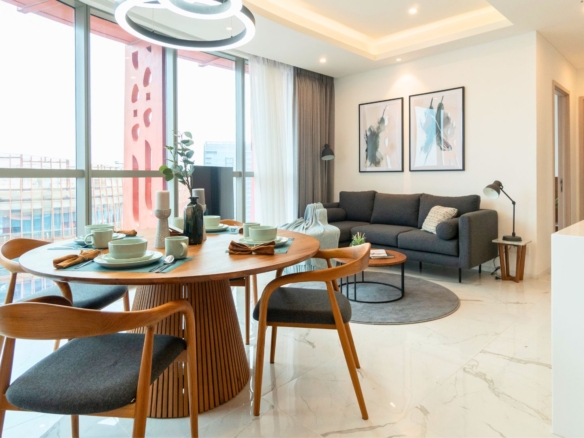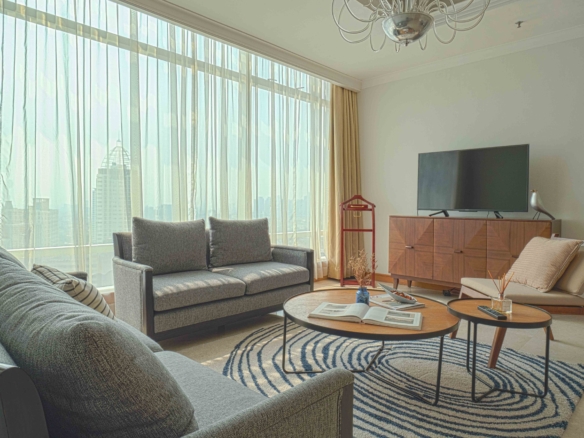
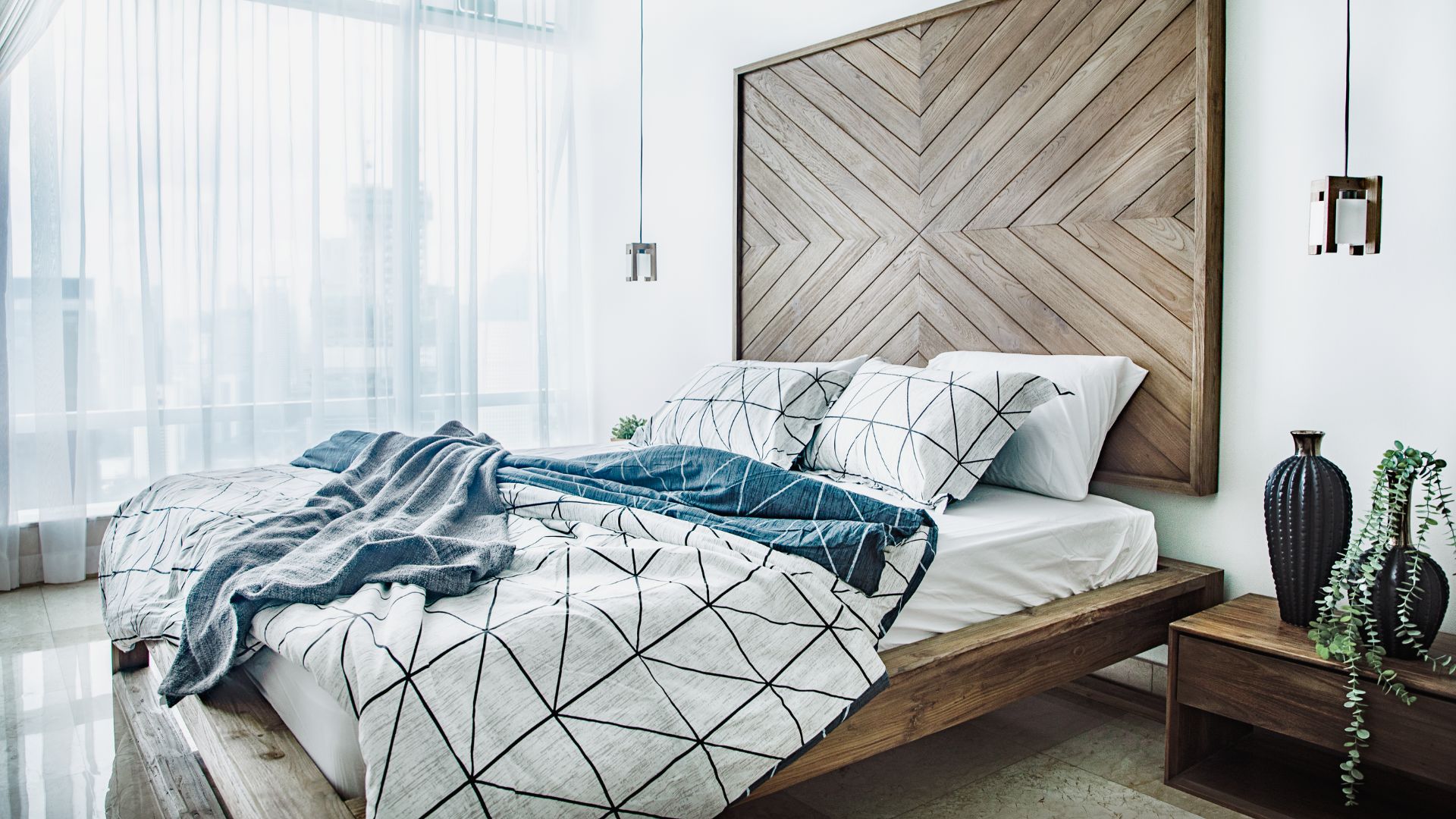
Have you ever walked into a home and thought: why does this feel smaller than it actually is? The problem is rarely the square meters. It is almost always the way a space is designed, furnished, styled, and arranged. This matters especially in Jakarta apartments around Sudirman, SCBD, Thamrin, Kemang, and Kuningan, and equally for Bali villas designed for guests or rental income. The good news is you do not always need a bigger home. You just need a smarter design approach. Here are five common mistakes and exactly what to do about each one.
| # | Mistake | Quick Fix |
| 1 | Furniture too bulky | Slim-leg, multi-function, wall-mounted pieces |
| 2 | Single light source | Layer ambient, task, accent, and mood lighting |
| 3 | Too many visual distractions | Limit to 2-3 colors; use closed storage |
| 4 | Ignoring vertical space | Tall shelves, full-height curtains, vertical mirrors |
| 5 | Poor furniture layout | Zone by activity; design movement paths first |
Why Some Homes Feel Smaller Than They Really Are

A home can have a good floor plan and still feel cramped. This usually happens when furniture scale is wrong, lighting feels flat, layout blocks movement, or there is too much competing for visual attention. Two apartments with identical footprints can feel completely different. One open and calm, the other heavy and awkward. The five mistakes below explain why, and how to fix each one.
Mistake #1 Choosing Furniture That Is Too Bulky
Apartment Therapy spoke with designer Thornton who is direct on this: furniture that is too oversized will swallow a room, but pieces that are too tiny make everything feel off. Scale is everything. A sofa, dining table, bed frame, or cabinet that is proportionally too large will make the space feel tight even if it technically fits. This is especially common in compact Jakarta apartments where a single living room must serve as lounge, dining area, and sometimes work corner.
Fix: Measure before buying. Choose furniture based on proportion, not just style.
- Sofas with slim arms and raised legs that show floor underneath
- Round or extendable dining tables that allow movement around them
- Built-in storage instead of bulky freestanding cabinets
- Wall-mounted TV units that clear the floor entirely
- Storage beds and multi-functional ottomans
Principle: The goal is not to make the home empty. Every piece should feel intentional and correctly scaled.
Mistake #2 Relying on Just One Light Source
A single ceiling light makes a room feel flat. Shadows become stronger, corners feel darker, and the space appears smaller than it is. Light Idea puts it clearly: even well-designed spaces can feel harsh, flat, or visually tiring without layered lighting. The difference is often not furniture or color, but how light is structured.
Fix: Layer different types of lighting within the same room to create depth and eliminate dark corners.
- Ambient: general brightness from ceiling or recessed fixtures
- Task: directional light for reading, cooking, or working
- Accent: highlights shelves, artwork, or textured walls
- Mood: warm decorative light for evening atmosphere
Quick win: Add a floor lamp beside the sofa and LED strips under kitchen cabinets. Two changes, immediate difference.
Mistake #3 Too Many Visual Distractions
Too many colors, textures, decor items, and competing furniture styles make the eye work harder. As designer Thornton notes via Apartment Therapy: a beautifully edited room always reads better. A cleaner visual automatically makes any space feel larger. This is especially true in rental properties where owners keep adding items hoping to make the space feel more furnished.
Fix: Choose a main palette and repeat it. Let smaller items add personality without competing for attention.
- Use 2 to 3 main colors across the space
- Keep larger furniture pieces neutral
- Avoid overcrowding open shelves: display less, store more
- Use closed storage for everyday items
For rental owners: A cleaner interior photographs better and helps tenants picture themselves living there.
Mistake #4 Ignoring Vertical Space
Apartment Therapy calls vertical thinking the secret to making small spaces feel expansive: anything that draws attention upward instantly adds a sense of height and breathing room. Most people only think about floor space, leaving walls and ceiling height entirely unused. When vertical space is ignored, too much furniture clusters at floor level, proportions feel wrong, and the room appears smaller than it is.
Fix: Use walls intentionally. Tall shelving, full-height curtains, and vertical mirrors all draw the eye upward.
- Tall shelving from floor to ceiling that uses the full wall height
- Full-height curtains hung from ceiling level even if the window is smaller
- Vertical mirrors that reflect light and create depth
- Floating shelves and wall-mounted cabinets that keep floor clear
- Built-in niches with integrated lighting in bedrooms and bathrooms
Mistake #5 Poor Furniture Layout
Even beautiful furniture makes a home feel smaller when the layout is wrong. Interior design research from My Home Ideas highlights that smart zoning through rugs, lighting, and shelving defines spaces without walls, and open circulation paths are fundamental to making any compact layout feel workable. If you have to squeeze between the sofa and coffee table or move furniture to open a cabinet, the space will feel uncomfortable no matter how good it looks.
Fix: Design around movement first. Map how people actually move through the room before placing anything.
- Sitting zone: comfortable, with easy in-and-out movement
- Dining zone: does not block circulation to kitchen or balcony
- Work zone: near natural light, out of main traffic paths
- Storage zone: near the entrance for daily items
For open-plan apartments: Without clear zones, a space can feel undefined and messy even when it is clean.
How This Applies to Jakarta Apartments and Bali Villas
In Jakarta apartments, particularly in Sudirman, SCBD, Thamrin, Senopati, Kemang, and Kuningan, the challenge is making compact layouts flexible enough to support work, rest, dining, storage, and entertaining at once. Mistakes 1 and 5 (bulky furniture and poor zoning) are the most common issues in these spaces. In South Jakarta homes in Pondok Indah, Cipete, and Cilandak, the space may be larger, but heavy styling or poor placement still limits how open it feels.
In Bali villas, design choices directly affect guest experience and rental value. Villa interiors need to be photogenic, comfortable, durable, and easy to maintain simultaneously. CRA Developers (2025) notes that a clean, fuss-free interior not only looks better but also makes it easier for guests to understand the space and feel at home immediately. This principle applies equally to Bali villa rentals: clutter-free, well-lit, and well-zoned interiors consistently outperform visually busy ones in guest reviews and listing performance.
When Should You Work With an Interior Design Team?
It is not about having more space. It is about designing the space you have more intentionally.
A room feels larger when furniture is properly scaled, lighting is layered, styling is cleaner, walls are used smartly, and layout supports natural movement. These are not expensive changes. They are principled ones.
Whether you are in a Jakarta apartment or preparing a Bali villa for guests, these five decisions make a real difference. Research published in Scientific Culture confirms that lighting, proportion, and layout collectively shape how people experience a space, often more powerfully than the space’s actual size. Get in touch with Noble Design to put these principles to work in your home.
Consider working with a design team when your home feels smaller than the floor plan suggests it should, when moving into a new apartment or house, when a rental property is underperforming, when storage is inadequate but you do not want the home to look clinical, when a villa needs to feel more guest-ready, or when furnishing a property for expat tenants who expect international standards.
According to Marymount University’s interior design research, thoughtful design choices encompassing proportion, flow, lighting, storage, and daily function all work as a system, not in isolation. Getting one right while ignoring the others is why so many homes feel like they are almost there but not quite. Noble Design supports homeowners, landlords, and expats across Jakarta and Bali in addressing all five mistakes together.
Want your home to feel more open and functional? Noble Design can help.
Frequently Asked Questions
Why does my home feel smaller than it actually is?
Usually it is oversized furniture, a single flat light source, too many competing visual elements, or a layout that blocks natural movement. Even a well-sized apartment can feel cramped when any one of these is wrong.
How can I make a small apartment feel bigger?
Choose furniture proportionate to the room, add layered lighting to eliminate dark corners, reduce visible clutter with closed storage, and create clear activity zones for living, dining, working, and storage.
What furniture makes a room look bigger?
Sofas with slim arms and raised legs, round or extendable dining tables, wall-mounted TV units, storage beds, and floating shelves. The shared principle is visual lightness and visible floor space.
Does lighting make a room feel bigger?
Yes. A single ceiling light creates strong shadows that make corners retreat. Floor lamps, LED strips, wall sconces, and warm accent lights open up those corners and create depth that makes the room feel wider.
How do I make my Jakarta apartment feel less cramped?
Scale your furniture correctly, add built-in storage to eliminate visible clutter, and create clear zones for different activities. This is especially effective in compact layouts in Sudirman, SCBD, Thamrin, and Kuningan.
Can interior design increase rental appeal?
Yes. A well-designed property photographs better, feels more welcoming on arrival, and commands stronger interest from prospective tenants or guests, whether in Jakarta or Bali.
How can I make my Bali villa more guest-ready?
Use open circulation, maximize indoor-outdoor flow, choose fewer but well-proportioned furniture pieces, apply a consistent material palette, and keep surfaces visually clean. Layered lighting is especially important for evening atmosphere and photography.
When should I work with an interior design team?
When moving into a new property, when a rental is underperforming, when storage is inadequate, when you want to furnish for expat tenants with international standards, or simply when the space never quite feels right.