
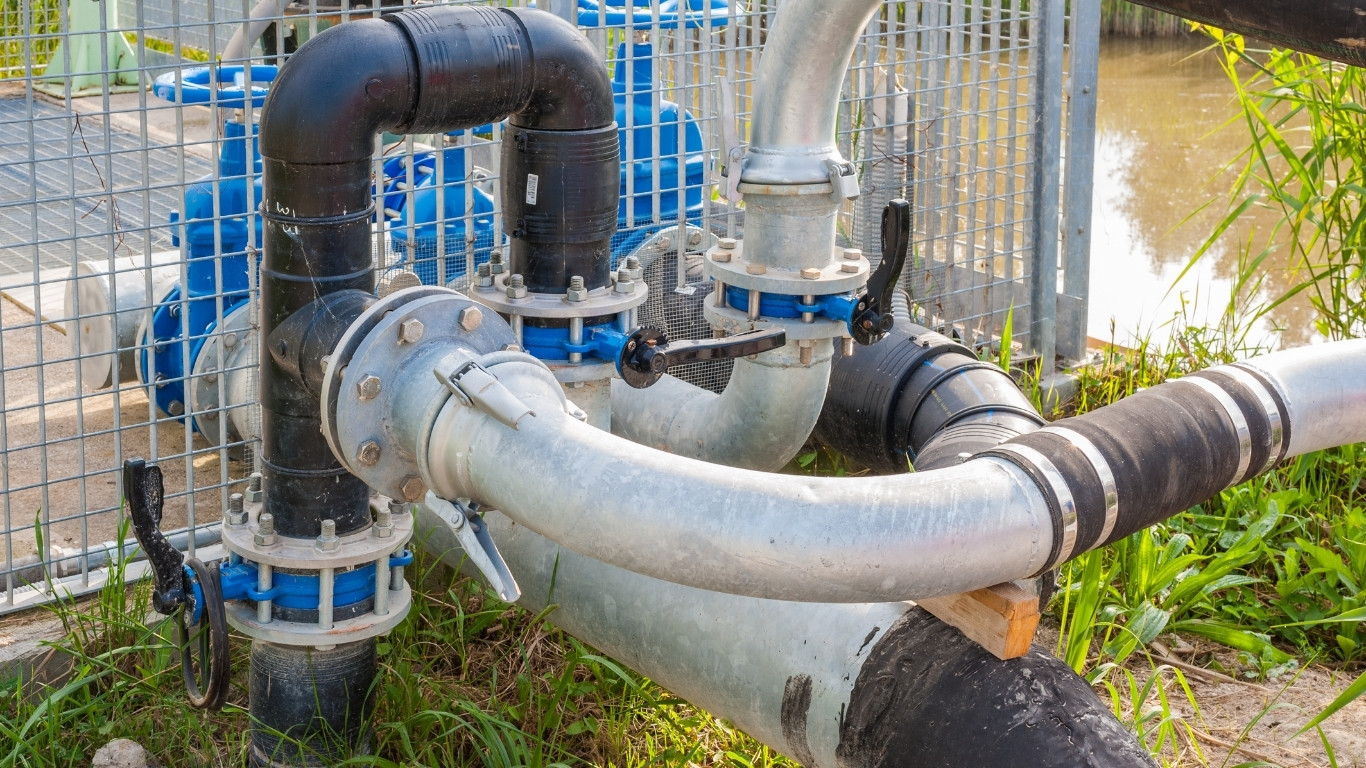
Water is one of those utilities that most people take for granted until something goes wrong. Move to Indonesia and you will quickly discover that there is no single universal supply standard. The quality you get depends on where you live, what type of property you are in, and what treatment systems are installed.
For expats renting apartments in Jakarta or settling into a villa in Bali, understanding your water source before you sign a lease saves you from some unpleasant surprises. This guide breaks down how both systems work, the real differences between them, and how to make sure your home has water you can use comfortably.
How Water Supply Works in Indonesia
What Is PDAM Water?
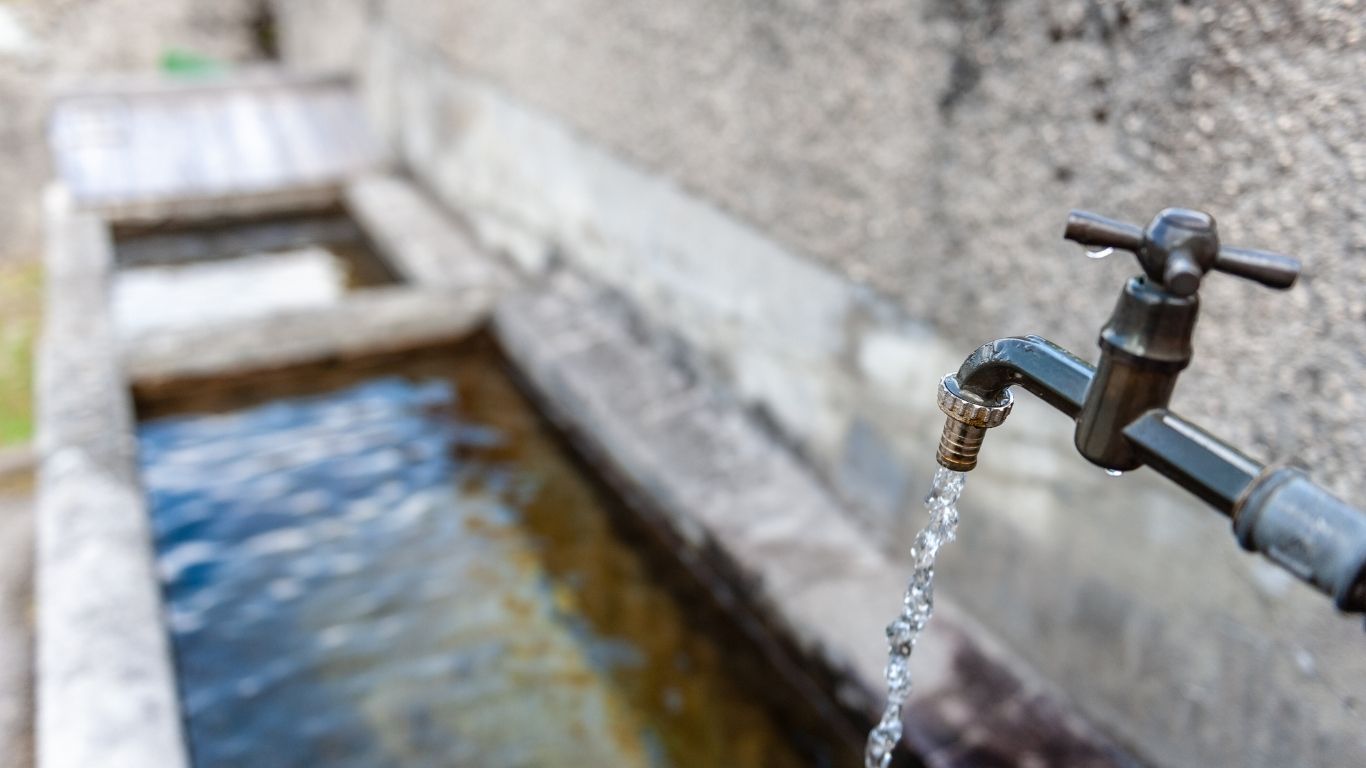
PDAM stands for Perusahaan Daerah Air Minum, the regional government-owned water utility responsible for treating and distributing municipal water across Indonesia’s cities. There are 319 PDAMs operating across the country, each managed at the district or provincial level.
PDAM water goes through coagulation, sedimentation, filtration, and chlorination before being piped to homes. Jakarta’s main source is the Jatiluhur Dam on the Citarum River, approximately 70 kilometers southeast of the city.
Despite this treatment, PDAM water is not safe for direct drinking. Quality is inconsistent and varies by location and time of day. An aging pipe network can introduce contaminants from surrounding soil during distribution, and some estimates suggest as much as 50% of Jakarta’s tap water is lost through leaks before reaching households. PDAM water is most commonly found in high-rise apartments, condominiums, modern housing complexes, and commercial buildings.
What Is Well Water (Sumur Bor)?
Many houses and villas in Indonesia use groundwater extracted via a drilled well (sumur bor), particularly in areas without PDAM infrastructure. An electric submersible pump draws water from 20 to 80 meters underground into a storage tank. This system is the norm in private villas, standalone houses, and older neighborhoods across Jakarta and Bali. Instead of a monthly water bill, homeowners cover pump electricity, maintenance, and filtration costs.
PDAM vs Well Water: Key Differences for Expats
Water Quality
Both systems come with quality concerns, but the nature of those concerns differs.
PDAM water is treated before reaching your home, making it more consistent in quality. However, the chlorination process that makes it safer also gives it a distinct taste and smell that many residents find unpleasant. Pipe aging and leakage along the distribution network means the water that leaves the treatment plant is not always the same water that comes out of your tap.
Well water is entirely untreated groundwater. Quality varies dramatically by location. Common problems include:
- High iron content (causes yellow or orange staining on sinks, toilets, and laundry)
- Sediment (makes water appear cloudy)
- Sulfur (creates a rotten egg odor)
- Bacterial contamination (from septic tank proximity or surface runoff)
- Saltwater intrusion (particularly in coastal areas of Bali and North Jakarta)
Neither source is safe to drink without treatment. Tap water in Indonesia is generally not safe for direct consumption regardless of source.
Reliability
PDAM reliability varies by district. Pressure can drop during peak hours, and many buildings install rooftop storage tanks as a buffer. Well water depends entirely on the pump and local water table. A broken pump means no water until repairs are done, and prolonged dry seasons can drop water tables in parts of Bali and outer Jakarta.
Monthly Cost and Billing
PDAM water comes with a metered monthly bill. Typical household costs in Jakarta range from IDR 100,000 to IDR 400,000 per month, depending on usage volume, property category, and local tariff rates. Payment can be made via mobile banking, e-wallets like GoPay or OVO, or in person at Alfamart or Indomaret.
Well water has no monthly water bill, but ongoing costs include electricity for the pump, filter cartridge replacements, and periodic maintenance. Initial installation of a proper filtration system costs between IDR 3 million and IDR 10 million, with filter replacements needed every three to twelve months depending on usage and water quality.
Maintenance Responsibility
With PDAM, the utility manages the main infrastructure and you simply pay the monthly bill. With well water, maintenance falls entirely on the property owner: pumps must be serviced, filters changed, and storage tanks cleaned periodically. This is one reason many rental villas include water maintenance as part of their property management services.
PDAM Water in Jakarta and Major Cities
Coverage Areas
PDAM coverage is strongest in central Jakarta districts including Sudirman, SCBD, Thamrin, Kuningan, and Senayan. Most high-rise apartments in these areas receive municipal water through building-level systems. Even here, many buildings maintain a backup groundwater well for pressure drops or supply disruptions. For expats looking at apartments in Sudirman, SCBD, and Kemang, always confirm what filtration systems are installed at the building level before signing.
Common Issues with PDAM Supply
Even in well-served areas, PDAM systems face occasional disruptions: low pressure during peak hours, scheduled maintenance outages, and temporary supply interruptions after heavy rainfall or infrastructure failures. Most apartment buildings maintain rooftop storage tanks precisely to manage these gaps, storing several hours of backup supply at all times.
Well Water in Villas and Houses
Why Groundwater Is So Common
Indonesia’s urban expansion has outpaced municipal water infrastructure in many areas. Suburban neighborhoods, resort villages in Bali, and older parts of Jakarta frequently have no PDAM connection. In areas like Canggu, Seminyak, and Ubud in Bali, and parts of South Jakarta including Kemang and Cilandak, groundwater wells are the norm rather than the exception.
Common Water Problems in Well-Supplied Properties
The most frequent issues expats encounter with well water are high iron content (leaving yellow or orange stains on fixtures and laundry), sediment making water appear cloudy, sulfur odor indicating hydrogen sulfide in the supply, saltwater intrusion in coastal areas of Bali and North Jakarta where overpumping allows seawater into the water table, and bacterial contamination from nearby septic tanks or agricultural land. Each of these is treatable with the right filtration setup, but the first step is knowing what you are dealing with.
Pump and Maintenance Systems
A typical well setup includes a submersible pump, pressure control system, storage tank (500 to 2,000 liters), and filtration unit. Pumps generally need replacement every five to ten years. When renting a well-water property, ask your landlord or property management team when the pump was last serviced and whether the filters have been recently maintained.
Why Water Filters Are Essential in Indonesia
Filtration is not optional in Indonesia. It is essential regardless of whether your home uses PDAM or well water. Only about 29 percent of Indonesians have access to reliably clean tap water according to water access data, and the situation is not expected to change quickly.
The most common filtration setups in expat homes include:
Sediment filter. Removes sand, rust, silt, and particles. Usually replaced every one to three months.
Carbon filter. Removes chlorine, improves taste and odor, and reduces chemical contaminants. Essential for PDAM users dealing with chlorine smell. Replaced every three to six months.
Iron removal filter. Addresses the high iron content common in Jakarta and Bali groundwater, preventing staining on fixtures and laundry.
Reverse osmosis (RO) system. Used specifically for drinking water. Filters out bacteria, viruses, heavy metals, and dissolved solids. Most expat homes install a countertop or under-sink RO unit for drinking and cooking.
UV sterilization. Added as a final stage to kill bacteria and viruses without chemicals. Often combined with RO for drinking water systems.
Most well-set-up villas use a whole-house sediment, carbon, and iron removal system at the main inlet, with a dedicated RO unit under the kitchen sink for drinking water. This layered approach gives reliable, comfortable water throughout the home.
PDAM vs Well Water: Which Is Better for Expats?
For apartments: PDAM with building-level filtration is the Jakarta standard. It requires minimal maintenance and the monthly bill is predictable, making it the most hassle-free setup for expats.
For houses and villas: Well water is perfectly livable with a properly maintained pump and filtration system. When viewing a property, turn on the taps and check: cloudy water, yellow tint, or sulfur smell all signal that the filtration system needs attention.
Before renting or buying, always confirm: the water source (PDAM, well, or both), which filtration systems are installed and their last service date, pump condition and age for well water properties, water pressure at multiple points, and whether water maintenance is included in the property management arrangement.
How Noble Asia Helps Expats Manage Utilities
Many expats discover well pump failures or inadequate filtration only after moving in. Noble Asia works with international clients on property selection and relocation across Jakarta and Bali, helping identify homes with reliable infrastructure from the start.
Their services include expat relocation assistance and property advisory, apartment and villa rentals in key expat neighborhoods, and ongoing property management that covers utility maintenance including water systems.
📩 connect@nobleasia.id
📞 WhatsApp: +62 813 1668 5505
FAQ: Water Supply in Indonesia for Expats
Is PDAM water safe to drink in Indonesia?
No. PDAM water is treated but not safe for direct drinking. Most homes use a reverse osmosis system or sealed dispensed water for drinking and cooking.
Which is better for expats: PDAM or well water?
PDAM is more convenient and lower maintenance, making it better for apartment living. Well water is common in villas and houses, and is perfectly usable with proper filtration and regular pump maintenance.
Why is tap water yellow in some Indonesian houses?
Yellow or orange water indicates high iron content from groundwater wells, a very common issue in Jakarta and Bali. An iron removal filter resolves this.
How much is a typical water bill in Jakarta?
PDAM bills range from IDR 100,000 to IDR 400,000 per month for most households, depending on usage and property category.
Why do houses in Bali use wells instead of city water?
Popular expat areas like Canggu and Ubud have limited or no PDAM infrastructure. Private groundwater wells are the standard in these neighborhoods.
How often should water filters be replaced?
Sediment filters every one to three months, carbon filters every three to six months, and RO membranes every one to two years, depending on usage and source water quality.
Moving to Indonesia or looking for a home in Jakarta or Bali? Noble Asia helps international clients with expat relocation support, property search and advisory, luxury apartment and villa rentals, and ongoing property management services. Visit Noble Asia’s Articles and Insights to learn more.



Join The Discussion