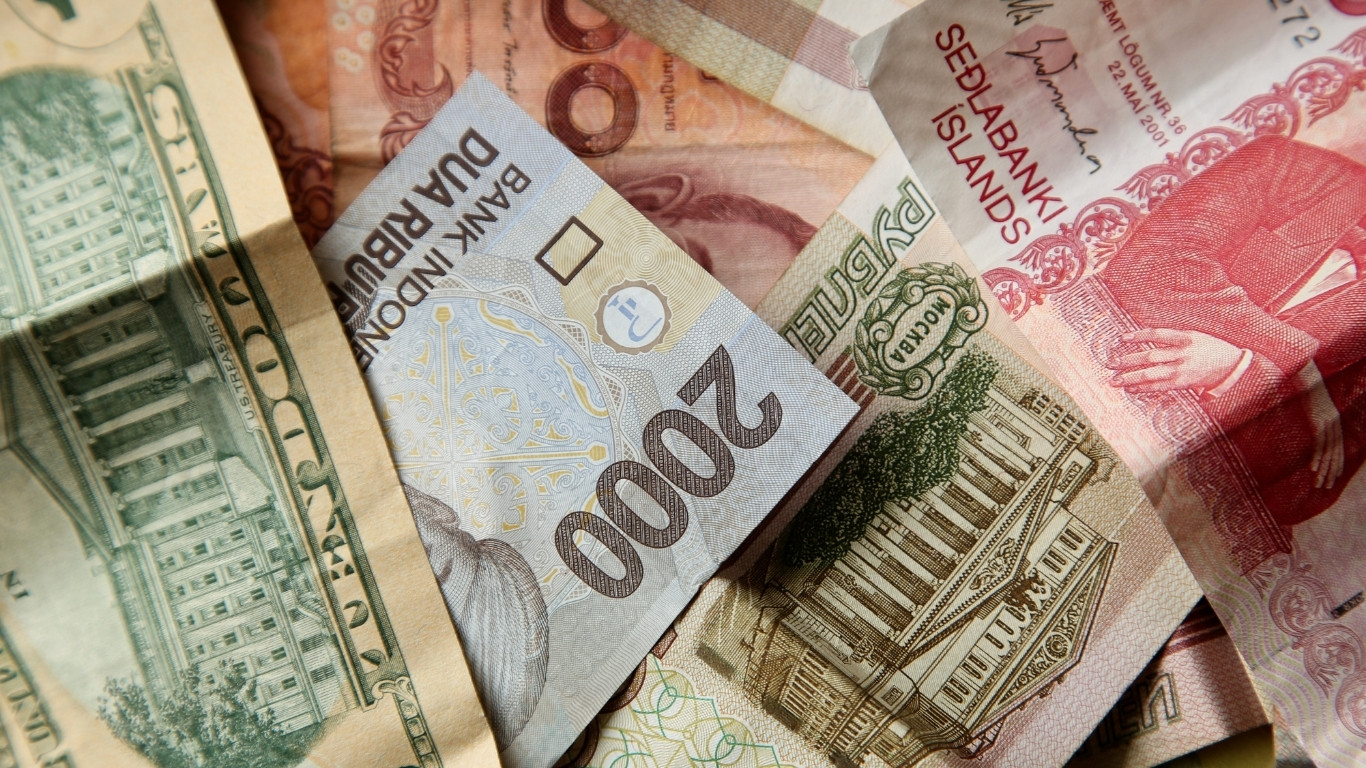
Walk down any tourist street in Bali and you will see no shortage of currency exchange signs. Some offer rates that look too good to be true. Some are legitimate. Some are not. Jakarta has the same range of options, from licensed 24-hour operators to informal kiosks with no oversight.
This guide covers your three main exchange options, how they compare on rates and safety, the most common scams to avoid, and which reputable operators have earned the trust of the expat community in Jakarta and Bali.
Do You Need Cash in Indonesia?
Indonesia has embraced digital payments rapidly, and in urban areas like Jakarta and central Bali, you can get through most of the day using GoPay, OVO, DANA, or a debit card on QRIS. But cash is still genuinely necessary in a number of everyday situations.
Cash remains the default for street food, local markets, parking, small warungs, and most transport outside ride-hailing apps. In rural parts of Bali including Sidemen, Tabanan, and parts of Uluwatu, digital payment acceptance drops significantly.
The practical approach: exchange a moderate amount on arrival, keep IDR on hand for small daily purchases, and use digital payments or cards for everything else. You do not need to carry large amounts at any point.
Your Three Main Options for Currency Exchange
1. Authorized Money Changers
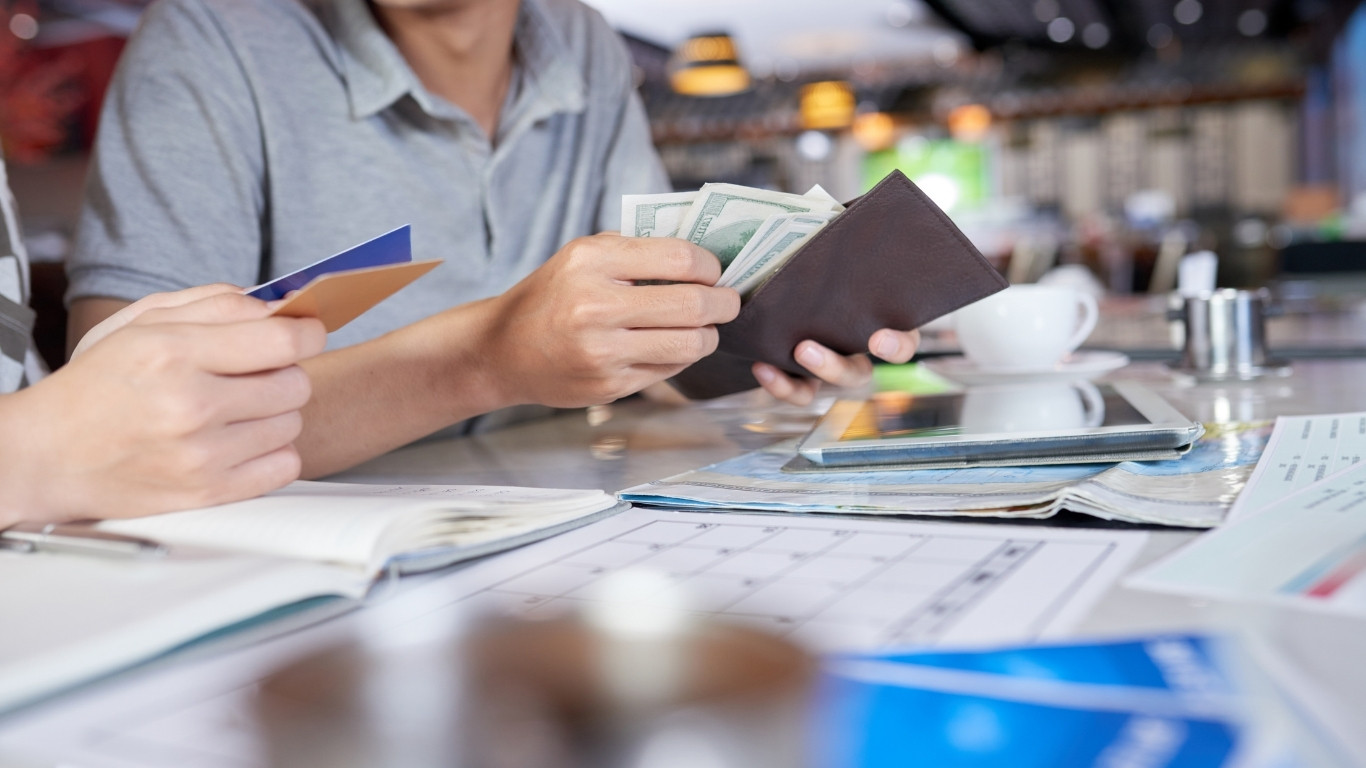
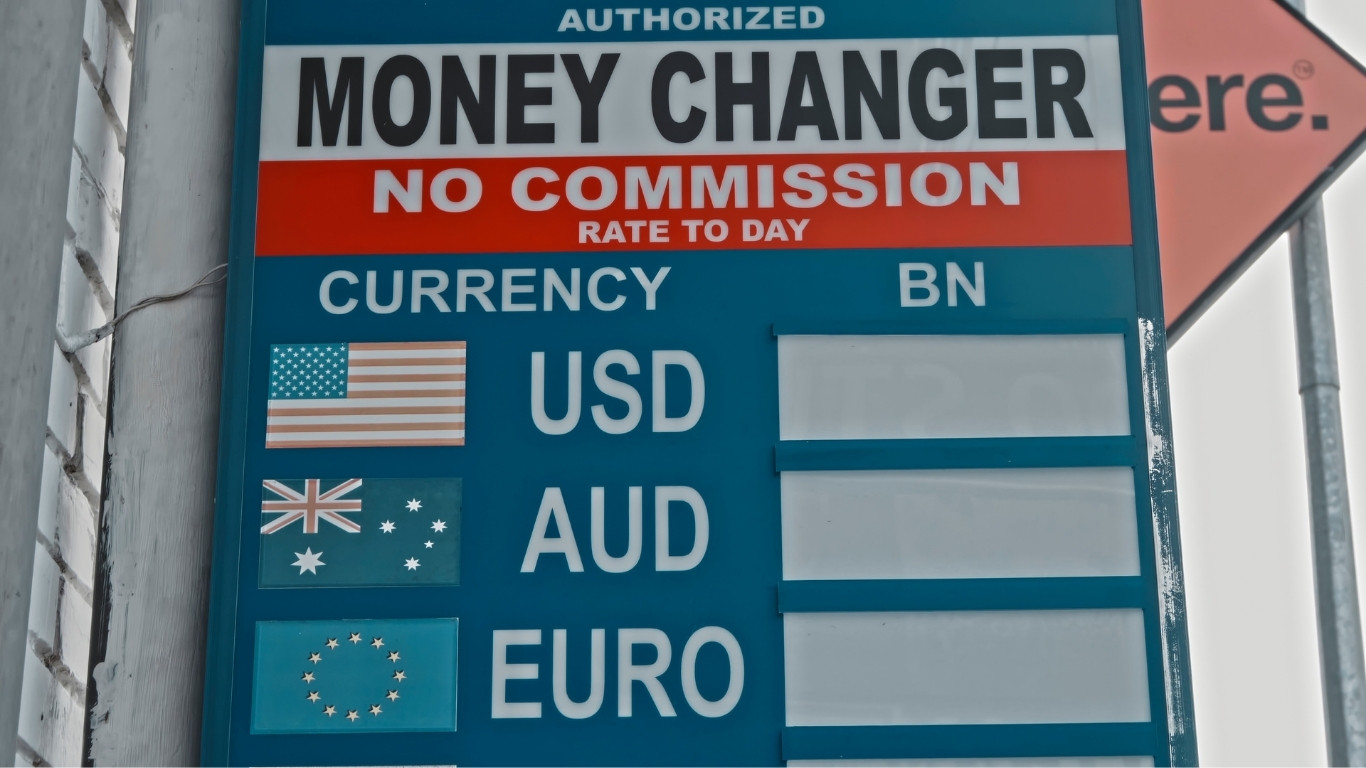
Licensed money changers are the sweet spot between competitive rates and security. They are regulated by Bank Indonesia and operate under the PVA Berizin (Licensed Foreign Exchange Trader) designation. This status means they follow official rules, display transparent pricing, and are subject to oversight that informal kiosks are not.
Authorized money changers typically offer noticeably better rates than airport counters and process transactions faster than banks. Their markup is how they profit, not hidden commissions, so the rate you see on the board is the rate you get.
Key identifiers of a licensed operator:
- PVA Berizin signage displayed at the entrance
- A clearly visible rate board updated throughout the day
- Staff who count cash openly and allow you to recount before leaving
- No separate commissions or processing fees mentioned after the transaction begins
If a “money changer” cannot show you a rate board, asks you to step inside a back room, or mentions a commission only after you have handed over your cash, walk away.
2. Airport Exchange Counters
Airport exchange counters at Soekarno-Hatta International Airport in Jakarta and Ngurah Rai International Airport in Bali are the most convenient option when you first arrive, but they come at a cost. Airport rates are typically 5 to 10% worse than what you will find at licensed city money changers.
For context, if you exchange USD 500 at the airport rather than a reputable city operator, you could effectively lose the equivalent of USD 25 to USD 50 in value. For larger amounts, this gap compounds quickly.
The sensible approach: exchange just enough at the airport to cover your first day’s needs. IDR 500,000 to IDR 1,000,000 (roughly USD 30 to USD 60) is usually sufficient to cover transportation from the airport, a SIM card, and a meal. Then find a reputable authorized money changer in the city once you have settled in.
One alternative worth considering: withdraw rupiah from an ATM at the airport instead of using the exchange counters. ATM rates are usually better than airport exchange booths, although your home bank’s foreign withdrawal fees apply.
3. Banks and ATMs
Indonesian banks offer currency exchange at branches but the process is slower and requires ID documents. For most travelers, this is more hassle than it is worth.
ATM withdrawals in IDR are a practical alternative if you are comfortable with your home bank’s foreign withdrawal fees. Always select IDR when prompted and decline Dynamic Currency Conversion (DCC) if offered, which converts the transaction at a poor rate.
Reputable Money Changers in Jakarta and Bali
Jakarta
Dolarindo Money Changer is the most widely recommended authorized operator in Jakarta, with 13 branches across Jakarta, South Tangerang, and Bandung, including Tebet, Melawai, Kelapa Gading, Samanhudi (Pasar Baru), and Gajah Mada. Several branches have late evening hours, and the Samanhudi location runs 24 hours with security staff on-site. Dolarindo publishes live rates at dolarindo.com.
VIP Money Changer is another well-regarded authorized operator in central Jakarta with competitive rates and professional service.
Bali
BMC (Bali Money Changer), officially PT Bali Maspintjinra, has branches in Sanur, Seminyak, Legian, and other key areas. Known for zero commission, transparent rates, and consistently professional service.
Central Kuta Money Exchange operates across Kuta, Seminyak, Legian, and other tourist areas, open daily from 10:00 am to 10:00 pm. A long-standing favorite among repeat Bali visitors for fair rates and no-tricks service.
PT Dirgahayu Valuta Prima (Bali Best Rate), operating since 1984, offers no-commission exchange across multiple Bali locations including Kuta and Denpasar.
Common Currency Exchange Scams to Know
Tourist areas in Bali in particular have a documented history of currency exchange scams. Being aware of how they work makes them easy to avoid.
The too-good-to-be-true rate. If a money changer’s board shows a rate significantly higher than others nearby, treat it as a red flag rather than a bargain. Scam operators use inflated posted rates to attract customers, then apply hidden commissions, manipulate the counting, or switch to a different rate mid-transaction.
The fast count trick. A scammer counts out your rupiah quickly, deliberately miscounting or palming notes, then waits for you to leave before you notice you are short. The rule is simple: always count your cash yourself, at the counter, before you walk away. Any legitimate operator will wait for you to do this. If staff try to rush you out of the door, that is a warning sign.
Hidden commissions added at the end. Some operators advertise an attractive rate and then mention a “service fee” or “processing commission” only after you have already handed over your foreign currency. Legitimate authorized money changers do not charge separate commissions. Their profit is built into the spread between the buy and sell rates.
The unofficial kiosk in a souvenir shop. Currency exchange services offered through souvenir shops, small kiosks on side streets, or informal operators without PVA Berizin signage are not regulated. Even if the person seems friendly and the rate looks reasonable, the risk of being shortchanged or receiving counterfeit notes is significantly higher.
How to Check If You Are Getting a Fair Rate
Before visiting any money changer, check the mid-market rate using XE.com or Google. The current USD to IDR rate fluctuates daily. As a general reference for 2026, 1 USD has been sitting in the range of IDR 16,800 to IDR 17,000, though this changes with market conditions.
Authorized money changers typically offer rates 2 to 3 percentage points below the mid-market rate. That is their margin and how they profit. If the rate is within that range, you are doing well. If the spread is much wider, look elsewhere.
Rates at weekends and Indonesian public holidays can be slightly less favorable, as money changers hedge against the inability to access interbank rates while banks are closed.
Currency Exchange Tips for Expats and Property Investors
For larger amounts, physically exchanging cash is rarely the right approach. Bank-to-bank SWIFT transfers through your Indonesian account or a fintech platform like Wise provide better audit trails, legal protections, and often comparable exchange rates. Wise is widely used by expats in Indonesia for international transfers at mid-market rates with transparent fees.
For expats handling property transactions, rental payments, or investment remittances in Jakarta or Bali, Noble Asia’s expat relocation and property advisory services can help ensure your financial setup is structured correctly.
Tracking rate movements before a large exchange is worthwhile. Even a 1% improvement on USD 10,000 saves USD 100. Apps like XE Currency can help you time significant conversions.
Moving to Indonesia or planning to invest in property in Jakarta or Bali? Noble Asia helps international clients with expat relocation support, property search and advisory, luxury apartment and villa rentals, and ongoing property management. Contact us to learn more.
📩 connect@nobleasia.id
📞 WhatsApp: +62 813 1668 5505
FAQ: Currency Exchange in Jakarta and Bali
Where is the safest place to exchange money in Jakarta? Authorized money changers licensed by Bank Indonesia are the safest option. In Jakarta, Dolarindo is the most widely recommended with 13 branches across the city. Always look for the PVA Berizin license before exchanging.
Is it better to exchange money at Bali airport or in the city? Exchange only a small amount at the airport (enough for day one), then use a reputable city money changer like BMC or Central Kuta for the rest. Airport rates are typically 5 to 10% worse than city operators.
How do I spot a money exchange scam in Bali? Watch for rates that look significantly better than competitors, missing rate boards, pressure to complete the transaction quickly, and any mention of commissions after you have handed over your cash. Always count your rupiah yourself before leaving the counter.
What currencies can I exchange in Indonesia? Major currencies including USD, EUR, GBP, AUD, SGD, JPY, HKD, and CHF are widely accepted. Less common currencies may be harder to exchange or attract worse rates. USD is the most liquid and usually gets the best spread.
Should I use an ATM or a money changer in Indonesia? For small amounts and convenience, ATMs work fine. For amounts above USD 200 to USD 300 and stays longer than a few days, a reputable authorized money changer will usually give you a better effective rate than ATM withdrawal fees from your home bank.
Do money changers in Indonesia charge commissions? Reputable authorized operators do not charge separate commissions. Their profit comes from the spread between buy and sell rates. If a commission is mentioned, use a different operator.
Is it safe to exchange large amounts of cash in Indonesia? For large amounts (equivalent to several thousand USD or more), bank transfers are safer and create a legal transaction record. For property deposits, rent payments, and investments, use your Indonesian bank account or a platform like Wise rather than physical cash exchange.