
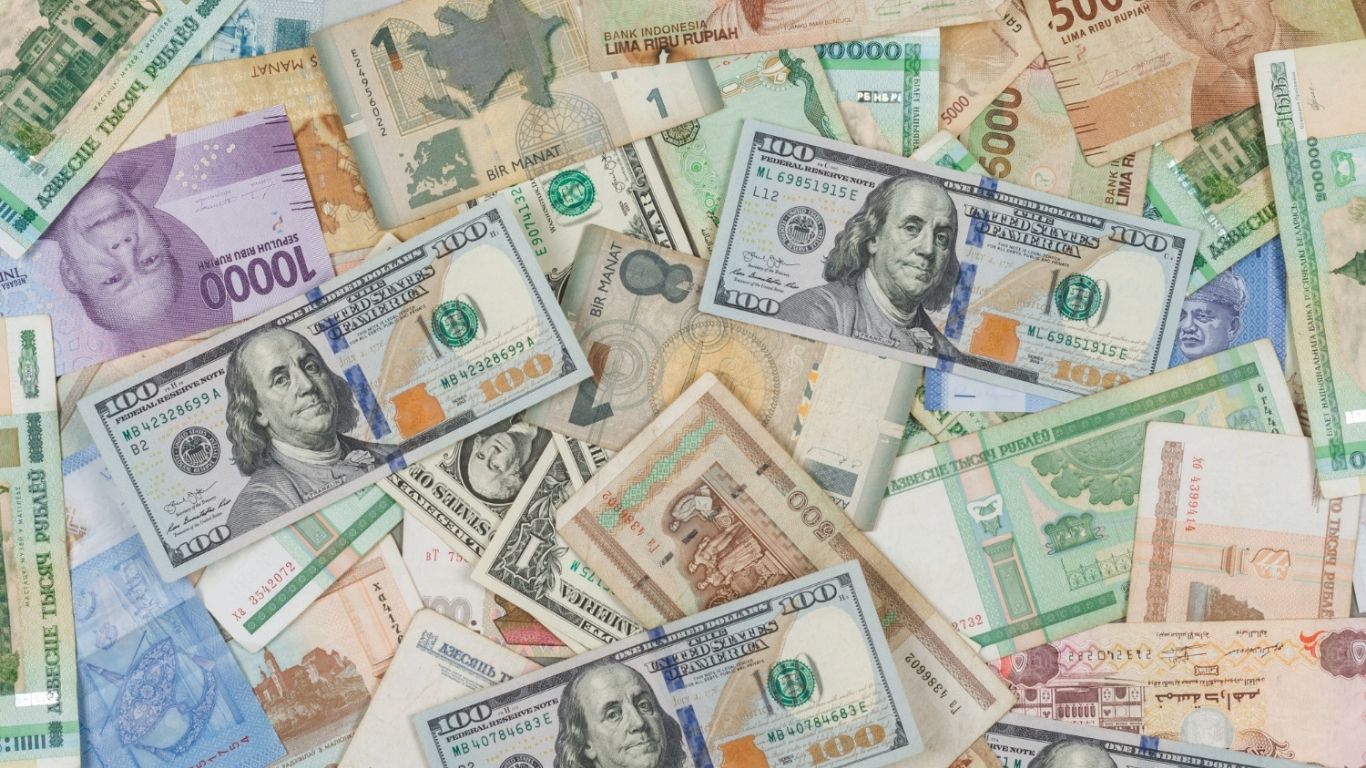
In short: Since 1 July 2026, anyone buying foreign currency with rupiah in Indonesia needs an underlying document once purchases pass US$10,000 in a month. It is not a ban. The rule covers conversions in banking apps as well as banknotes, and transfers abroad above US$25,000 now need supporting documents.
If you earn or hold money in rupiah and regularly move some of it into dollars, the rules changed under your feet this year. Bank Indonesia (BI) tightened the threshold three times in 2026, from US$100,000 a month at the start of the year to US$10,000 since July. Most news coverage called it a limit on “cash” dollar purchases, which led many residents to assume it only affects money changers. It does not.
This guide explains what the rule covers, what it does not, how it plays out for common expat situations such as school fees and sending money home, and what to check with your bank before you convert.
What changed, and when
BI lowered the threshold in steps through 2026. Above each threshold, the buyer must show an underlying transaction, meaning a real economic need such as an invoice or a school fee bill.
| From | Buying foreign currency with rupiah, no documents needed up to | Transfers abroad need supporting documents above |
|---|---|---|
| Before 1 April 2026 | US$100,000 a month | US$100,000 |
| 1 April 2026 | US$50,000 a month | US$50,000 |
| 2 June 2026 | US$25,000 a month | US$50,000 |
| 1 July 2026 | US$10,000 a month | US$25,000 |
Sources: BI regulation PADG 11/2024 on foreign exchange market transactions, as amended in 2026 by PADG 7/2026, 11/2026 and most recently 15/2026; PADG 13/2026 on transfers abroad; BCA and Maybank customer notices. Thresholds are per person per month, or the equivalent in other currencies.
At BI’s JISDOR reference rate of Rp[RATE] per US dollar on [PUBLICATION DATE – 1], US$10,000 is roughly Rp[RATE × 10,000] and US$25,000 is roughly Rp[RATE × 25,000]. [EDITOR: update in the week of publication. For reference, the rate was Rp17,985 on 20 October 2026, so roughly Rp180 million and Rp450 million.] BI’s October 2026 board meeting announced no change to these thresholds.
BI’s stated aim is to keep foreign currency purchases tied to real economic activity and to reduce speculation against the rupiah. Deputy Governor Thomas Djiwandono said in June that daily foreign currency purchases fell by about US$16 million after the first cut and about US$9 million after the second, as reported by IDN Financials.
“Cash” does not mean banknotes only
This is the point most residents miss. The regulation applies to transaksi yang bersifat tunai, which translates literally as “cash transactions”. In foreign exchange terms, BI’s own FAQ defines this as purchases settled today, tomorrow or on a spot basis.
In practice, that covers:
- converting rupiah to dollars in your banking app;
- buying foreign currency at a bank branch, whether you take banknotes or credit a foreign currency account;
- buying banknotes for travel.
Banks have built the threshold into their apps. Maybank’s notice for July 2026, for example, says purchases above US$10,000 a month in its M2U ID app require you to upload underlying documents, while its web banking does not allow purchases above the threshold at all. Other banks apply the same BI rule through their own procedures.
It is not a ban. BI has said this repeatedly. “Bank Indonesia has never prohibited customers from buying foreign currency in any amount,” Thomas Djiwandono told reporters on 22 July 2026, as reported by Infobanknews. Above US$10,000 a month, you simply need to show why.
What the limit does not cover
- Selling dollars for rupiah. The threshold is written for purchases of foreign currency with rupiah. Converting a salary paid in dollars into rupiah is not limited by it. Maybank’s notice lists no threshold for cash, today, tomorrow or spot sales.
- Money you already hold in a foreign currency. Moving dollars from an account abroad into your US dollar account in Indonesia is not a rupiah purchase. Sending money out of Indonesia follows the separate transfer rule below.
- Hedging contracts. Forward and other derivative purchases have their own, higher thresholds. These matter for businesses more than for households.
Some banks also set their own limits on conversions between two foreign currencies, for example US dollars to euros, in their digital channels. Check your bank’s notice if you do this often.
How it plays out for expat households
| Situation | What applies | What to have ready |
|---|---|---|
| Converting part of a rupiah salary into dollars each month | Up to US$10,000 a month in total: a signed statement is enough. Above it: underlying needed | Plan your monthly conversions; savings on their own are not listed by BI as an underlying |
| School or university fees abroad | Counts as an underlying for purchases above US$10,000 | Acceptance letter or invoice from the school stating the fees |
| Medical treatment abroad | Counts as an underlying | Hospital bill or cost estimate |
| Paying for goods or services from overseas | Counts as an underlying | Invoice from the overseas supplier |
| Holiday cash | Usually well under US$10,000 | A signed statement at the counter |
| Sending money home above US$25,000 in one transfer | Supporting documents required before the bank accepts the transfer | Documents showing the purpose, as listed by your bank |
| Taking savings home at the end of an assignment | Not listed in any example we found | Ask your bank early which documents it accepts, before your departure month |
Underlying examples are from statements by BI Senior Deputy Governor Destry Damayanti (CNBC Indonesia, 27 June 2026) and Deputy Governor Thomas Djiwandono (Infobanknews, 23 July 2026). Your bank decides which documents it accepts.
Count your total, not per bank. According to CNBC Indonesia’s report of BI’s explanation, the threshold applies to your total purchases in a month, not to each bank separately. If you bank with two or three institutions, treat US$10,000 as your combined limit.
Paying rent in Jakarta. Indonesia’s Currency Law requires payments made within Indonesia to be in rupiah, with limited exceptions. A Jakarta lease paid to a local landlord should not require you to buy dollars at all. If a landlord quotes a price in dollars, ask for the rupiah amount on the invoice.
Sending money abroad: the US$25,000 rule
Since 1 July 2026, under PADG 13/2026, a transfer out of Indonesia in a foreign currency worth more than US$25,000 must come with supporting documents. BI’s FAQ is clear that the bank may only accept the transfer instruction once those documents are complete.
For routine transfers, fees, speeds and providers, see our guide to international money transfers in and out of Indonesia.
Money changers and travel cash
The BI regulation and FAQ we checked do not set out separate rules for money changers. CNBC Indonesia reported BI’s explanation that below the threshold, a buyer only signs a statement at the bank or money changer. Expect to be asked for identification and a signed statement when buying banknotes, and use a money changer licensed by Bank Indonesia.
For most trips, the threshold will not matter. It becomes relevant when you buy a large amount of banknotes for a specific purpose, such as a deposit abroad paid in cash. In that case, a bank transfer with the right documents is usually easier to arrange than carrying cash.
What about stablecoins?
IDN Financials asked whether dollar-pegged stablecoins such as USDT and USDC could become a way around the threshold. Its only source on this was Nathanael Christian, CEO of IDRX, a rupiah stablecoin issuer. He welcomed the tighter rules but argued their effect could weaken if people shift savings into dollar-pegged tokens without oversight.
Two facts are worth knowing before you read too much into that:
- In Indonesia, crypto assets, including stablecoins, are supervised by the Financial Services Authority (OJK) as digital financial assets under OJK Regulation 27 of 2024. They can be traded on licensed platforms.
- They are not legal tender. The rupiah is the only legal means of payment in Indonesia.
Neither BI nor OJK was quoted on stablecoins in the coverage we reviewed. Treat them as investments with their own risks, not as a substitute for a bank account, and take independent advice before using them for anything important.
Before you convert: a short checklist
- Add up what you plan to buy in foreign currency this month across all your banks.
- If the total is above US$10,000, match the purpose to a document: school invoice, medical bill, supplier invoice.
- Ask your bank which documents it accepts and whether you upload them in the app or bring them to a branch.
- For transfers abroad above US$25,000, prepare the supporting documents before you send the instruction.
- If you are leaving Indonesia, ask your bank in advance how it handles moving your savings out.
- If you hold a multicurrency account in Indonesia, check whether your income can be credited in dollars, so you buy less.
New to the banking system here? Our guide on how to open a bank account in Indonesia as a foreigner covers the documents banks ask for.
Homes for families settling in Jakarta
Families who are setting up their banking are often arranging a home at the same time. Noble Properties Asia can help you compare options. Browse residential properties in Jakarta.
Setting up your money in Indonesia? Start with the right questions
The threshold is not a cap on how much you can buy. It is a paperwork rule that applies sooner than it used to, and it reaches into your banking app. Plan your conversions by month, keep invoices for school and medical costs, and talk to your bank before any large transfer.
Noble Asia’s Orientation and Settling In service walks new arrivals through banking and payment systems in Indonesia, alongside housing, transport and everyday life. We do not give financial advice, but we can help you understand how things work here and who to ask.
Email connect@nobleasia.id or Chat us on WhatsApp +62 813 1668 5505.
Frequently asked questions
Is buying more than US$10,000 a month banned in Indonesia?
No. You can buy any amount of foreign currency with rupiah. Above US$10,000 or the equivalent in a month, you must show an underlying document, such as an invoice or a school fee bill. Below it, a signed statement is enough.
Does the US$10,000 limit apply to foreigners living in Indonesia?
The rule applies per foreign exchange market participant, and banks apply it per customer. The BI documents we checked do not carve out foreign residents or KITAS holders, so expect the same threshold as Indonesian customers.
Does converting rupiah to dollars in a banking app count?
Yes. BI defines the “cash” purchases covered by the rule as transactions settled today, tomorrow or spot. That includes conversions in banking apps and at branches, not only banknotes. Some apps ask you to upload documents above the threshold.
Is the limit per bank or in total?
According to CNBC Indonesia’s report of BI’s explanation, it applies to your total purchases in a month, not per bank. If you use several banks, treat US$10,000 as your combined limit.
Can I still send money abroad from Indonesia?
Yes. Transfers out of Indonesia in foreign currency worth more than US$25,000 need supporting documents before the bank accepts them. Smaller transfers follow your bank’s normal process.
Are stablecoins covered by the US$10,000 rule?
The BI regulation does not mention stablecoins. Crypto assets in Indonesia are supervised by OJK as digital financial assets and are not legal tender. Treat them as investments with their own risks, not as a way around the rule.


Join The Discussion