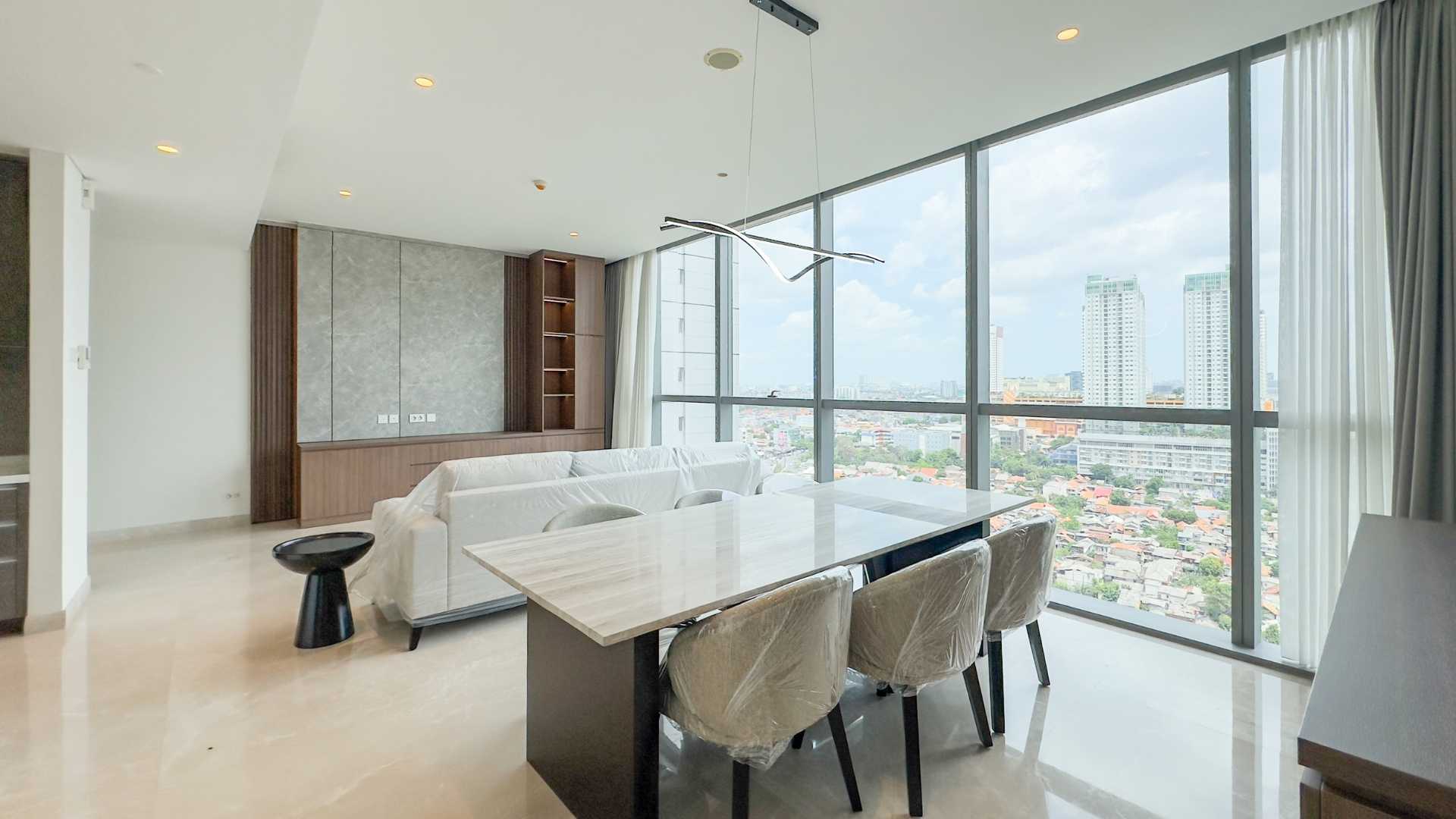
An empty unit creates freedom, but it also creates an immediate practical decision. Should you rent the furniture, buy ready-made pieces, or invest in custom-built solutions? The answer affects the upfront cost, timeline, flexibility, and how well the finished home supports everyday life.
This question applies to many different people in Jakarta: an owner moving into a newly purchased apartment, an investor preparing a unit for rent, an expatriate taking a semi-furnished home, or a family turning a blank space into somewhere comfortable and personal. Each route has genuine advantages and trade-offs, and the right answer depends on how long the unit will be used, who will live there, and what the space needs to achieve.
This guide compares the three approaches, explains who each option suits, and shows why the most practical answer is often a considered combination. The aim is not simply to fill an empty unit, but to create a space that functions well, feels coherent, and supports the purpose of the property.
The Empty Unit Dilemma: Three Routes, One Decision
Most people begin by assuming they should buy everything. That may be the right choice, but it should not be automatic. Renting, buying, and custom building sit on a spectrum from temporary and flexible to permanent and highly tailored.
The best route depends on four main questions: how long you will use the unit, whether you own or rent it, what budget is available now and over time, and whether the property is intended for living, leasing, or sale. Answering those questions first prevents rushed purchases and helps the final result feel planned rather than assembled piece by piece.
Option 1: Renting Furniture
Furniture rental turns furnishing into a service. A provider supplies selected pieces for an agreed period, usually with delivery, installation, and collection arranged as part of the package.
The advantages
The main strength is speed and flexibility. A unit can be made functional without a large upfront purchase, which is useful when the move is urgent or the length of stay is uncertain. At the end of the rental period, the furniture can be returned without the need to sell, move, or store it.
Rental can also work well for temporary accommodation, fixed-term expatriate assignments, show units, home staging, or investors who need a property presented quickly while deciding on a longer-term furnishing plan. Depending on the provider, maintenance or replacement may also be included.
The drawbacks
The trade-off is the total cost over time. Monthly payments can become expensive over a long stay, and the resident does not own the furniture at the end. Selection may be limited to the provider’s catalogue, which can restrict personalisation, sizing, and overall design control.
The condition requirements should also be reviewed carefully. Scratches, stains, pet damage, missing items, and early termination can lead to additional charges. Rental only works well when the contract, inventory, maintenance obligations, minimum term, and return conditions are clear.
Who it suits
Furniture rental is most suitable for short or uncertain stays, temporary homes, expatriate assignments, and staging. It works best when flexibility and speed matter more than ownership or a highly personal result.
Option 2: Buying Furniture
Buying ready-made furniture is the most familiar route. It offers broad choice and gives the resident ownership of each piece.
The advantages
The main benefit is that the furniture is yours after the initial purchase. There is no recurring rental fee, and the pieces can move with you to another home. Jakarta offers options across a wide range of styles, quality levels, and budgets, making it possible to furnish gradually rather than all at once.
For medium- to long-term use, buying can be more economical than renting. It also provides more freedom to express personal taste, replace individual items, and create a home that develops over time.
The drawbacks
Buying requires more upfront capital and more coordination. Sourcing, measuring, delivery, assembly, and installation all take time. When several retailers are involved, the homeowner or investor must also manage different lead times and delivery conditions.
Standard furniture does not always fit compact or irregular spaces. A sofa may block circulation, a wardrobe may leave unusable gaps, or a dining table may overpower the room. The risk is not only buying the wrong style, but buying the wrong scale.
Moving later also creates another decision: transport the pieces, sell them, place them in storage, or leave them with the property. Those costs should be considered before buying a complete household.
Who it suits
Buying suits owner-occupiers, longer-term residents, and tenants who expect to stay for several years. It is also appropriate when the unit has regular proportions and ready-made furniture can fit comfortably without compromising circulation or storage.
Option 3: Custom-Built Furniture
Custom-built furniture is designed and produced for a specific room, function, or property. It can include fitted wardrobes, kitchens, storage walls, media units, desks, banquettes, and made-to-order loose furniture.
The advantages
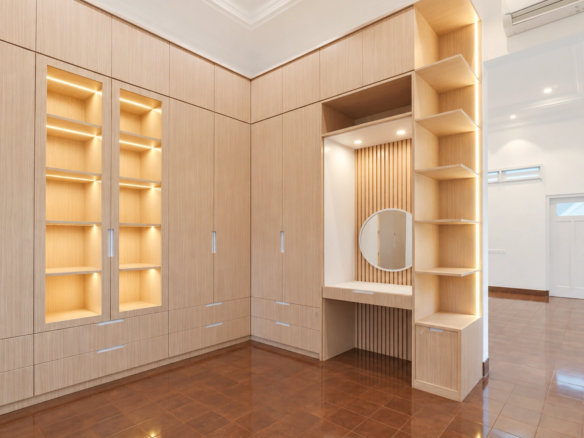
The strongest benefit is fit. Custom design can use difficult corners, improve storage, support better movement, and make a compact apartment feel more organised. Every dimension, finish, and function can respond to the actual unit rather than forcing the unit to accept a standard product.
Custom work also helps create a more coherent visual language. Materials, colours, hardware, lighting, and proportions can be planned together. For owners and investors, well-designed built-ins may improve daily function and market appeal, although this should not be treated as a guaranteed increase in rent or resale value.
The drawbacks
Custom furniture requires the highest upfront commitment and the longest lead time. It involves briefing, measurement, design, approval, material selection, fabrication, delivery, and installation. Changes made late in the process can affect cost and timing.
Built-ins are also attached to the property. This makes them more logical for owners and long-term residents than for short-term tenants. Tenants should not install fixed work without written landlord and building approval.
Quality depends on design, material specification, production, and installation. A poorly planned custom piece can be more difficult to correct than a ready-made item, so drawings, samples, hardware, finishes, warranties, and handover standards should be agreed before production.
Who it suits
Custom building suits owner-occupiers, long-term residents, and investors who need better storage, stronger space efficiency, or a more complete design. It is particularly useful in compact, awkward, or high-value units where standard furniture leaves too much space unused.
The table below summarises the three routes:
| Consideration | Rent | Buy | Custom build |
| Upfront cost | Low upfront; deposit and delivery may apply | Studio/1BR: about Rp30–80m; 2BR: about Rp60–180m+ | Selected joinery and furniture: about Rp100–250m; wider fit-out can exceed Rp250–500m |
| Ongoing cost | Monthly fee; check minimum term, damage and pickup charges | Maintenance, moving, storage or resale later | Maintenance; built-ins remain with the property |
| Typical timeline | About 1–3 weeks, subject to stock, contract and access | About 2–6 weeks if in stock; 8–16 weeks for pre-order or imported items | About 10–16 weeks for selected joinery; 16–24+ weeks for wider fit-out |
| Fit to the space | Standard pieces | Standard pieces | Made to measure |
| Ownership | None; returned later | You own it | You own it; built-ins stay |
| Best for | Short stays, staging and uncertainty | Medium- to long-term use | Long-term use and difficult spaces |
Indicative Jakarta planning ranges for 2026—not quotations. Unit size, material level, supplier stock, building rules and imported items can change both cost and timing.
The Smart Answer Is Often a Mix
In practice, many successful interiors combine all three routes. The decision is made item by item rather than applying one solution to the whole unit.
Custom-built elements are most useful where dimensions and storage matter: wardrobes, kitchen cabinets, study areas, shoe storage, media walls, and other fixed functions. Ready-made furniture works well for movable pieces such as sofas, beds, dining tables, and chairs when suitable sizes are available. Rental can remain useful for temporary needs, staging, guest rooms, or a short transition period.
A practical formula is to custom-build the elements that must fit precisely, buy the loose furniture you expect to keep, and rent only where flexibility has clear value. The important point is that the three sources should still feel like one interior. Layout, colour, material, proportion, and lighting need to be planned together.
How to Decide: A Simple Framework
How long will you stay?
Length of use is often the strongest factor. For a short or uncertain stay, rental and limited purchases reduce commitment. For several years of use, buying becomes more sensible. For a permanent home or long-term asset, selected custom work may justify the additional cost and lead time.
There is no universal break-even point because rental rates, purchase quality, transport, maintenance, and resale value differ. Compare the total expected cost over the actual period of use rather than monthly and one-time prices in isolation.
Do you own or rent the unit?
Owners can invest in fixed elements with more confidence because the work remains with the property. Tenants should prioritise movable solutions unless the landlord approves a permanent improvement and the commercial arrangement is clear.
An investor preparing a rental unit has a different goal again. The design should be durable, broadly appealing, easy to maintain, and appropriate for the building’s target tenant. Over-personalisation can narrow the market, while under-investment can make a good unit look less competitive.
What is your budget now and over time?
Renting protects cash at the beginning but creates recurring cost. Buying requires more upfront but provides ownership. Custom building demands the largest early commitment and may also include professional fees, site preparation, electrical work, installation, and finishing.
Create a complete budget rather than comparing furniture prices only. Include delivery, assembly, installation, transport, storage, repairs, replacement, and eventual removal. A less expensive item can become costly when it fails early or does not fit the space.
What does the unit actually need?
A regular, spacious apartment may work well with ready-made pieces. A compact unit with limited storage may benefit from carefully designed joinery. An empty investment unit may need only a durable furnishing package rather than extensive renovation.
Measure doors, lifts, corridors, ceiling heights, power points, air-conditioning positions, windows, and circulation before ordering anything. A design that looks correct on a product page may not work once it reaches the building.
What is the purpose: live, let, or sell?
A home to live in should support the owner’s routines, comfort, and personality. A rental unit should suit a defined tenant profile and remain practical to maintain. A property prepared for sale may need staging rather than full furnishing.
The purpose should guide where to invest. A family home may justify custom storage and personal materials. A rental apartment may need more neutral choices and replaceable loose furniture. A staged property may need visual impact for a limited period without permanent expenditure.
Common Mistakes to Avoid
· Buying everything before finalising the layout. This often creates poor circulation and leaves no room for storage.
· Choosing only by price. Low-cost furniture can become expensive when it wears quickly, especially in a rental property.
· Ignoring scale. Standard pieces may be too large for compact apartments or too small for generous rooms.
· Underestimating custom lead times. Design, approval, fabrication, and installation should begin well before move-in.
· Furnishing one item at a time without a plan. The result may be functional but visually disconnected.
· Over-customising a rental property. Highly personal choices can reduce flexibility and market appeal.
· Installing fixed work without permission. Tenants must obtain written owner and building approval.
· Forgetting delivery access. Service lifts, loading hours, deposits, permits, and contractor rules can affect the schedule.
· Treating furnishing as separate from lighting and storage. These elements shape how the whole unit functions.
Designing for Jakarta: Practical Considerations
Jakarta’s heat and humidity can affect timber, upholstery, metal fittings, adhesives, and finishes. Material selection should respond to the specific room, exposure, ventilation, maintenance routine, and intensity of use. Broad claims that one material is always suitable should be avoided; correct specification and workmanship matter just as much.
Apartment rules also affect the project. Buildings may limit work hours, require contractor registration, protect common areas, restrict noisy work, or charge deposits for deliveries and renovation. These requirements should be checked before confirming the installation timeline.
For rental units, durability and easy replacement are important. A beautiful piece that is fragile, difficult to clean, or impossible to repair may not be the right choice. For owner-occupied homes, the design can be more personal, but it should still support real routines rather than the photograph alone.
Planning the Timeline and Budget
For an initial Jakarta budget, use broad planning allowances rather than a fixed price. A basic ready-made studio or one-bedroom package may begin around Rp30–80 million, while a two-bedroom package often requires roughly Rp60–180 million or more. Selected custom joinery plus loose furniture for a compact unit may start around Rp100–250 million, while a fuller two- or three-bedroom design-and-build scope can move beyond Rp250–500 million.
Current retail benchmarks show that one substantial item—a three-seat sofa-bed—can already cost around Rp8–9 million before beds, mattresses, dining, storage, curtains, lighting, delivery and assembly are added.
Furniture rental is normally priced by quotation rather than a public package rate. Compare the monthly fee, minimum term, deposit, delivery, installation, pickup, maintenance, damage charges and early-termination terms. CORT’s Jakarta guidance notes that packages can include delivery, installation and removal, and that some Indonesian providers request a one-year lease while shorter arrangements may also be available.
For planning, allow approximately 1–3 weeks for a rental package when stock, contract and building access are ready; 2–6 weeks for in-stock ready-made furniture, or 8–16 weeks when several suppliers, pre-order items or imported pieces are involved; 10–16 weeks for selected custom joinery after measurement and design approval; and 16–24 weeks or more for a wider renovation or fit-out. Apartment permits, service-lift bookings, material approvals, supplier capacity and late design changes can extend these ranges. Retailers also note that delivery timing varies by destination and that apartment access permits remain the customer’s responsibility. Confirm a project-specific programme before setting the move-in date.
Where Interior Design Makes the Difference
The furniture source is only one part of the outcome. A room filled with expensive pieces can still feel uncomfortable when the scale, movement, storage, and lighting are wrong. A more modest mix can feel calm and complete when every decision supports the same purpose.
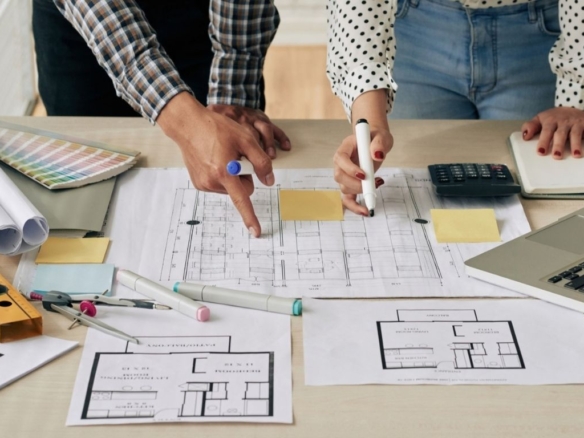
An interior designer helps translate the user’s routines and the property’s limitations into a practical plan. This includes layout, storage, furniture selection, custom detailing, material coordination, procurement, installation, and final styling. For investors, the same process can create a more consistent furnishing package suited to the intended tenant, without promising a particular rental result.
Good design begins by understanding what the space and its users need to become. It does not automatically recommend the most expensive route. It identifies where custom work creates genuine value, where ready-made furniture is sufficient, and where rental protects flexibility.
How Noble Design Asia Helps Furnish an Empty Unit
Noble Design Asia is the design, build, furnishing, and spatial-transformation specialist within the NOBLE ASIA ecosystem. The team begins with the client’s goal, how the unit will be used, and what must work in daily life before recommending furniture or finishes.
Support for an empty unit may include:
· Developing a clear brief for living, leasing, or sale.
· Space planning, furniture layouts, and storage strategy.
· Advising on the appropriate mix of rented, ready-made, and custom-built furniture.
· Interior design, material selection, and custom joinery.
· Sourcing and procurement of loose furniture, fixtures, and equipment.
· Coordination of delivery, installation, styling, and handover.
· Renovation or fit-out where the unit requires a wider transformation.
Where the property itself is still being selected, Noble Properties Asia can help compare available homes and explain how layout, furnishing condition, and building rules may affect the final decision.
The ecosystem is used only where it supports the client’s real need. The objective is one clear plan and the right specialist at each stage, not unnecessary services.
Furnishing an empty unit in Jakarta? Tell us about the property, how it will be used, the target timeline, and the level of investment you are considering. Noble Design Asia can help define the right mix and turn it into a coherent, practical space.
📩 connect@nobleasia.id |📞 WhatsApp: +62 813 1668 5505 | Talk to a local expert
Frequently Asked Questions
Is it better to rent or buy furniture in Jakarta?
Renting is usually more suitable for short or uncertain stays because it reduces upfront cost and simplifies departure. Buying is generally more practical for medium- to long-term use because the resident owns the furniture. Compare the full cost over the expected period, including delivery, maintenance, storage, and removal.
When is custom-built furniture worth the cost?
Custom work is most useful when the unit needs better storage, has difficult dimensions, or will be used long term. It can improve function and visual consistency, but it requires more time, coordination, and upfront investment.
Can you combine renting, buying, and custom building?
Yes. This is often the most practical solution. Fixed elements can be custom-built, loose furniture can be purchased, and selected items can be rented where flexibility matters. The layout and material direction should be planned together.
What furniture should usually be custom-built?
Wardrobes, kitchen cabinets, storage walls, study areas, media units, and pieces that must fit a specific dimension are common candidates. Sofas, beds, dining tables, and chairs are often purchased ready-made when suitable sizes and quality are available.
How long does custom furniture take in Jakarta?
For selected custom joinery, allow roughly 10–16 weeks from measured survey and design approval through fabrication, installation and snagging. A wider apartment renovation or full fit-out may require 16–24 weeks or more. Building permits, material availability, workshop capacity and late changes can extend the programme, so confirm the schedule before committing to a move-in date.
What furniture works best for Jakarta’s climate?
Choose materials and finishes according to humidity, sunlight, ventilation, cleaning, and expected use. Quality specification, fabrication, installation, and maintenance are more reliable than choosing a material based on a general label alone.
Can Noble Design Asia furnish a rental property?
Yes. Noble Design Asia can develop furnishing and FF&E solutions for owners and investors, including layout, sourcing, custom elements, installation, and styling. The scope should be based on the target tenant, property, budget, and desired level of durability.
How much does it cost to furnish an empty apartment?
Use broad planning allowances rather than a single headline number. A basic ready-made studio or one-bedroom package may begin around Rp30–80 million; a two-bedroom package may require around Rp60–180 million or more. Selected custom joinery plus loose furniture can move into roughly Rp100–250 million, while a fuller two- or three-bedroom design-and-build scope may exceed Rp250–500 million. The final quotation should separate design, furniture, joinery, delivery, installation, electrical or renovation work, styling and contingency.
Should investors fully furnish a rental unit?
It depends on the building and target tenant. Some premium and corporate tenants prefer ready-to-live-in homes, while other markets accept semi-furnished units. The decision should follow current demand, competing inventory, maintenance cost, and expected holding period.
What is FF&E?
FF&E means furniture, fixtures, and equipment. An FF&E package organises the movable items and equipment required to make a property usable and visually coherent. Its value comes from planning, specification, procurement, and installation rather than simply buying a list of items.
Does furniture rental include delivery and setup?
Many packages include delivery, setup, and collection, but terms differ. Confirm minimum duration, maintenance, replacement, damage charges, delivery access, collection, and early termination in writing.
Will custom built-ins add value to an apartment?
Well-designed built-ins can improve storage, function, and presentation. Whether they increase rent or resale value depends on design quality, condition, market demand, and the buyer or tenant profile. No improvement should be treated as a guaranteed financial return.