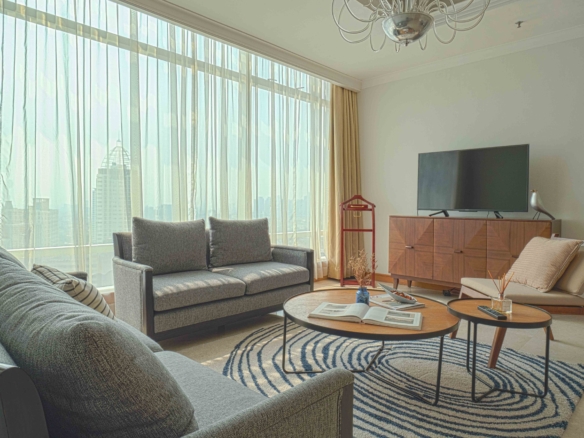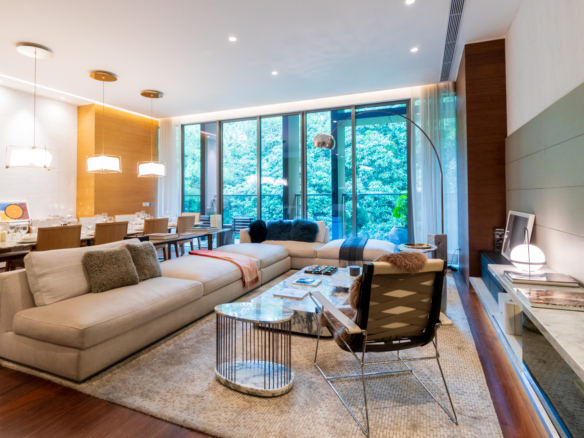
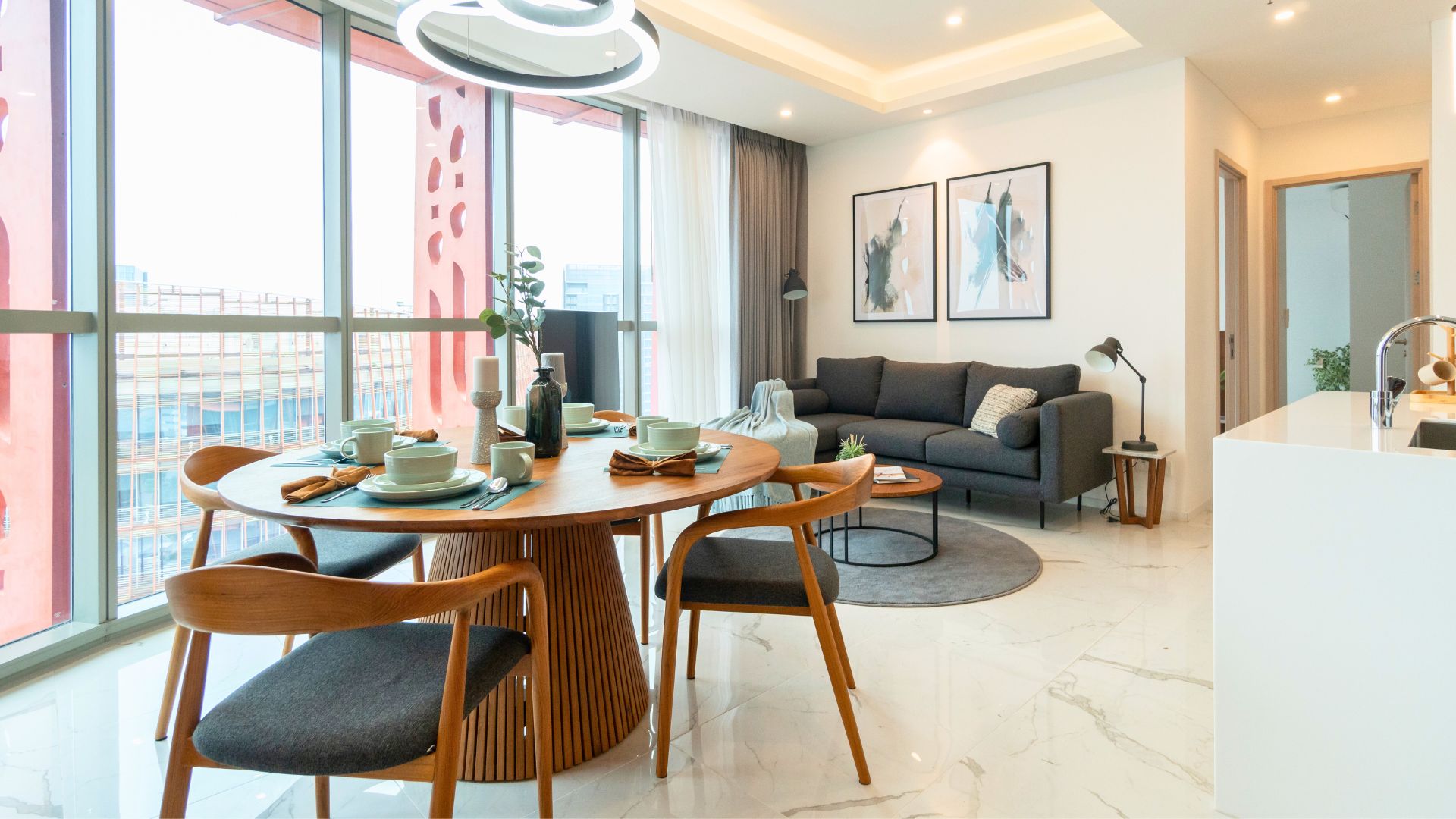
Choosing an interior design style should not feel overwhelming, but it often does. The sheer number of directions available, from Scandinavian to Japandi, modern luxury to futuristic living, makes it easy to feel stuck before you even start. Here is the honest truth: the right style is not the trendiest one on social media. It is the one that genuinely fits how you live. Think of your interior style as the personality of your home. Get it right, and the space simply works.
For homeowners, tenants, expats, and investors across Jakarta and Indonesia, interior design style matters because every property type carries different needs. A compact apartment in Sudirman calls for something clean and efficient. A family home in Kemang needs warmth and storage.
A villa in Bali deserves a relaxed tropical sensibility. This guide walks you through the ten most popular interior design styles with practical guidance on which style suits which home, lifestyle, and location. If you are still searching for the right property first, you can find the right home in Jakarta before committing to a design direction.
Why Interior Design Style Matters
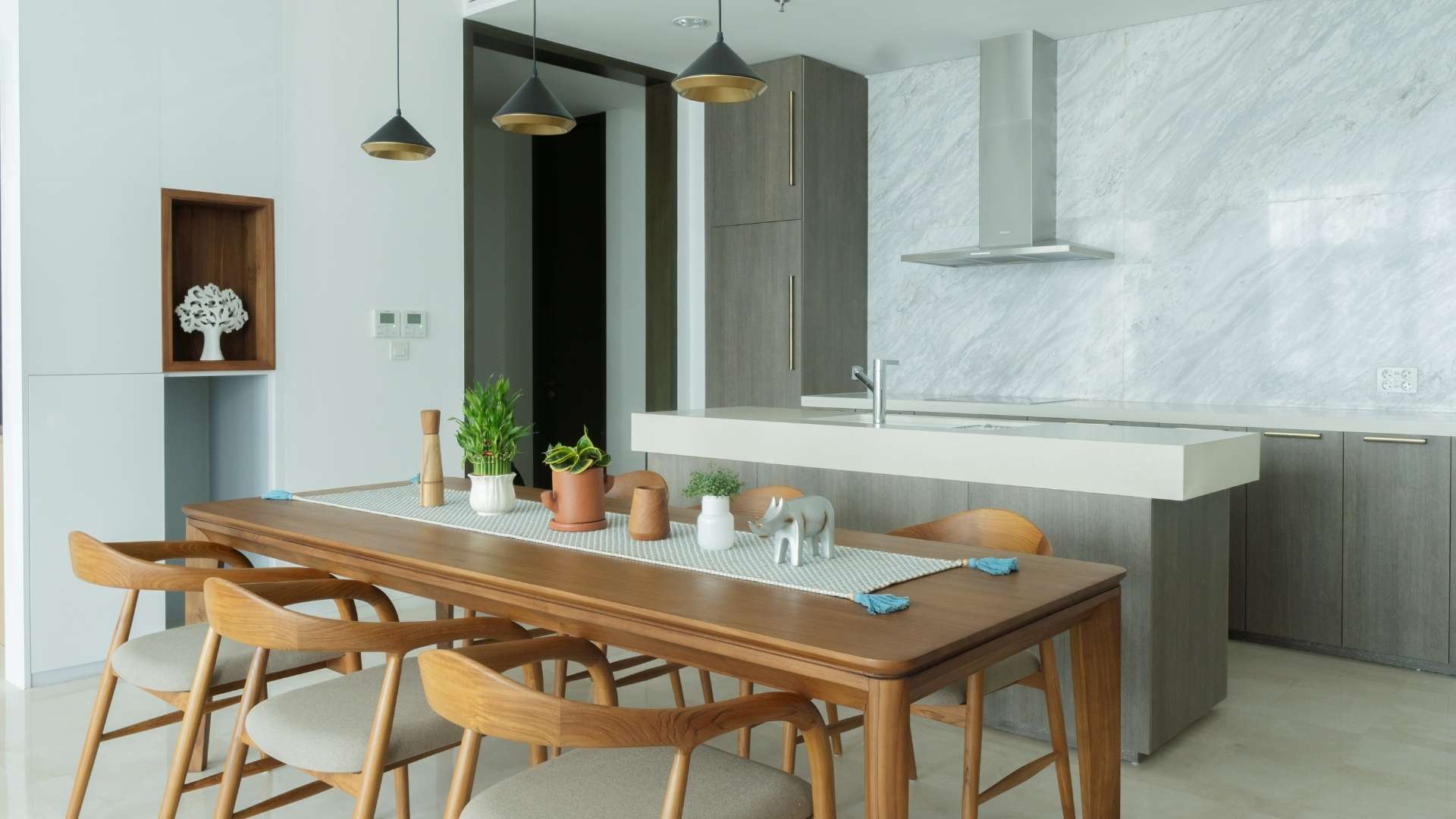
Your design style is the framework behind every decision you make in a space, from furniture and materials to lighting and layout.
Without a clear style, a home quickly feels disjointed. The sofa feels modern, the dining table rustic, the bedroom minimal, and the kitchen belongs somewhere else entirely. A clear design direction creates visual unity, smarter purchasing decisions, and a home that feels genuinely intentional. More importantly, it creates a space that is comfortable and enjoyable to live in , every single day.
The best style is not always the most beautiful. It is the one that fits your lifestyle. Do you work from home? Do you host guests often? Do you have young children or pets? Do you prefer calm and minimal, or warm and layered? These questions matter as much as aesthetics. A style that conflicts with how you live will always feel like a compromise.
1. Scandinavian Interior Design
Simple, bright, and deeply functional. Scandinavian design makes any room feel larger, lighter, and more livable.
Scandinavian interiors are built on white or pale neutral walls, light wood furniture, clean shapes, soft textiles like linen and wool, and a deliberate absence of clutter. Natural light is celebrated. Every piece has a purpose. The Nordic concept of hygge (warmth, coziness, and contentment) runs quietly through every design choice.
This style works exceptionally well for compact city apartments. A 45 sqm unit in Thamrin with white walls, a low oak sofa, linen cushions, and simple pendant lighting can feel significantly more spacious and relaxing than the same apartment filled with dark furniture. For Jakarta professionals who want a calm home environment after a long day, Scandinavian design delivers exactly that.
Best for: Studio and compact apartments, high-rise units, first homes, and any space that needs to feel larger than it is.
2. Japandi Interior Design
A fusion of Japanese minimalism and Scandinavian warmth. Japandi creates spaces that feel calm, natural, and deeply intentional.
Japandi blends Japanese wabi-sabi philosophy with Scandinavian hygge sensibility. The result is clean, warm, and genuinely livable. In 2025, Japandi has evolved beyond pure neutrals to include taupe, clay, muted green, and earthy terracotta. Natural materials such as bamboo, rattan, water hyacinth, and unfinished wood are central.
Japandi solves a real Jakarta problem: how to create a calm home in one of the busiest cities in Southeast Asia. Low-profile furniture, honest natural materials, and deliberate empty space make the home feel organized and peaceful without demanding constant upkeep. A two-bedroom apartment in Kuningan with warm white walls, a teak dining table, woven rattan chairs, and soft linen curtains is a perfect example of the style done right.
Best for: Apartments of all sizes, bedrooms, living rooms, and anyone who values both comfort and visual calm.
3. Modern Interior Design
Clean geometry, open layouts, and practical elegance. Modern design is consistently one of the most popular choices for city living.
Modern interiors use smooth surfaces, neutral color palettes, and materials like metal, glass, stone, and wood in clean, uninterrupted forms. The guiding principle is functionality with elegance. Nothing unnecessary, nothing purely decorative. Open-plan layouts maximize flow and natural light, while built-in storage keeps everyday items out of sight.
This is the dominant style for high-rise apartments in Jakarta, particularly in Sudirman, SCBD, and Thamrin, where residents prefer interiors that are organized, sophisticated, and low-maintenance. A polished concrete floor, grey sectional sofa, integrated kitchen cabinetry, and floor-to-ceiling glass windows defines the look. Add warm wood accents and layered lighting to prevent the space from feeling clinical.
Best for: City apartments, premium high-rise units, professional lifestyles, and anyone who wants polished without fussy.
4. Contemporary Interior Design
Always of the moment, contemporary design reflects current tastes and evolves with your life over time.
Unlike modern design, which belongs to a specific design movement, contemporary design means what feels current right now. In 2025, that translates to curved and organic furniture forms, mixed materials, bold accent lighting, textured walls, and a strong sense of personal narrative. Rather than following a strict rulebook, contemporary interiors reflect today’s lifestyle priorities.
The real strength of contemporary design is its flexibility. Because it is not tied to one era or philosophy, it can evolve as your life does. A curved sage-green sofa, a travertine coffee table, and brass pendant lighting today. Swap in terracotta cushions and woven wall art two years later, and the room still feels cohesive and current.
Best for: Family homes, apartments with personality, and anyone who wants a home that stays relevant as tastes shift.
5. Minimalist Interior Design
Minimalism is not about living with nothing. It is about living with intention, keeping only what serves a genuine purpose.
Minimalist interiors use clean layouts, simple furniture with honest forms, neutral palettes, and hidden storage that keeps everyday items out of sight. Every visible item either serves a function or carries deliberate aesthetic meaning. When there is less visual noise, the mind settles more easily, which is why minimalism can feel genuinely restorative for anyone living a fast-paced Jakarta life.
The most common mistake with minimalism is removing clutter without planning where things actually go. Without smart integrated storage, a minimalist home becomes messy fast, because daily life is not minimal even if your aesthetic is. Built-in cabinetry floor to ceiling, concealed appliances, and multifunctional furniture solve this problem elegantly.
Best for: Compact apartments, high-rise units, calm-seeking homeowners, and anyone who wants a home that stays tidy without constant effort.
6. Industrial Interior Design
Raw textures, dark tones, and urban character. Industrial design turns unfinished materials into something distinctly stylish.
Industrial interiors draw from the aesthetic of factories, warehouses, and urban loft spaces. Exposed brick, poured concrete, aged metal, dark timber, black steel frames, and open shelving define the look. The style is bold and characterful, and it works best when executed with restraint, because the materials themselves do most of the visual work.
The key to making industrial design livable rather than dramatic is balance. Warm lighting, comfortable upholstered seating, plants, and soft textiles counteract the heaviness of raw materials. A studio in Cipete with polished concrete floors, black steel shelving, Edison bulb pendants, and a worn leather sofa feels atmospheric when warm wood accents and indoor plants are also part of the picture.
Best for: Loft-style units, studios, open-plan homes, and creative professionals who want a home with real personality.
7. Tropical Interior Design
Natural materials, indoor greenery, and relaxed indoor-outdoor living. Tropical design is the most instinctively right style for Indonesia.
Tropical interior design works with the local climate rather than against it. Materials like teak, rattan, bamboo, volcanic stone, and natural linen define this style. Indoor plants are structural elements, not decoration. Airflow, natural light, and the connection between indoor and outdoor spaces are fundamental. Biophilic and tropical design has been shaping residential architecture in Bali through 2024 and into 2025, with an increasing focus on sustainable, nature-integrated interiors.
For Jakarta homes in areas like Kemang, Cipete, and Pondok Indah, interior designers are increasingly incorporating biophilic elements including reclaimed teak, rattan, and volcanic stone, into homes where larger properties allow outdoor gardens and terraces. For Bali villas, tropical design becomes even more essential: indoor-outdoor living, stone water features, exposed timber ceiling beams, and infinity pools blending with the garden.
Best for: Family homes in South Jakarta, Bali villas, properties with garden or outdoor areas, and anyone who wants a home rooted in the local environment.
8. Modern Luxury Interior Design
Quiet confidence, exceptional materials, and refined detail. Modern luxury is about quality felt over time, not extravagance announced at the door.
Modern luxury is not about excess. In Jakarta’s luxury property market spanning SCBD, Sudirman, and Mega Kuningan, the most discerning homeowners are looking for meaningful differentiation, not decoration. True luxury is felt through touch, proportion, and detail: a marble surface with a distinctive natural vein, a linen wall that absorbs sound, custom-built cabinetry that fits the room precisely.
Premium materials such as marble, travertine, and bookmatched stone are paired with custom furniture, layered lighting, and elegant hardware in brushed gold or matte chrome. Soft fabrics like velvet, cashmere, and bouclé add warmth without compromising the overall sense of refined restraint. A 200 sqm penthouse in SCBD with Venetian plaster walls, herringbone oak floors, a custom navy kitchen, and layered cove lighting shows exactly what modern luxury looks like when it is done right.
Best for: Penthouse and premium apartments, landed homes in upscale areas, and anyone for whom quality of finish is the top priority.
9. Classic and Modern Classic Interior Design
Graceful proportions, architectural detailing, and timeless elegance. Classic design is adapted for the way we actually live today.
Classic interior design draws from European tradition: symmetry, wall mouldings, ceiling cornices, ornate lighting, rich fabrics, and elegant upholstered furniture. Modern classic takes these foundations and updates them with cleaner lines, lighter palettes, and more contemporary materials, making the style feel dignified and relevant rather than dated or heavy.
The risk with classic design is overdoing it. The modern classic approach solves this by pairing traditional architectural details with simpler contemporary furniture. A coffered ceiling alongside a streamlined linen sofa. A marble fireplace surround beside a clean-lined dining table. A landed house in Pondok Indah with high ceilings and wall panelling, furnished with a contemporary sectional sofa and modern art, can feel graceful without feeling like a museum.
Best for: Larger landed homes, properties with high ceilings and architectural detail, and homeowners who want a sense of heritage and permanence.
10. Futuristic Interior Design
Smart technology, innovative materials, and seamless automation. Futuristic interiors are designed to support the way you live today and tomorrow.
Futuristic interior design is not science fiction. Homes in 2025 are more connected than ever, with voice-activated assistants, sensor-based lighting, and automated climate control becoming genuine standard features rather than luxury exceptions. In futuristic interiors, technology is woven seamlessly into the design: hidden speakers, wireless charging furniture surfaces, smart mirrors with integrated displays, and motorized blinds that respond to light levels.
In practical terms, a futuristic Jakarta apartment might feature motorized blackout blinds that adjust with the sun, a ceiling-integrated speaker system, smart locks, LED cove lighting that shifts from warm to cool throughout the day, and appliances built flush into cabinetry so nothing interrupts the clean visual line. Technology supports daily life. It does not complicate it.
Best for: Premium apartments, tech-forward homeowners, new-build properties, and anyone who wants their home to work as intelligently as it looks.
How to Choose the Right Interior Design Style
Start with how you live, not how you want your home to look in photographs.
Before settling on a style, ask yourself honest questions: Do I want calm and minimal, or warm and layered? Do I prefer clean geometry or organic curves? How much storage do I actually need? Do I work from home? Do I entertain often? Is this property for personal use, investment, or rental? The answers narrow the field considerably.
Property type helps too. Studio and compact apartments suit Scandinavian, Japandi, or minimalist styles. Premium apartments fit modern, contemporary, or modern luxury. Family homes work well with modern classic, tropical, or warm contemporary. Bali villas align naturally with tropical or biophilic modern design.
Mixing two styles is absolutely possible, and some of the most compelling homes do exactly that. The rule is: choose one main style and one supporting style, maintain a consistent color palette, repeat similar materials across both, and keep the lighting and finishing unified throughout.
Interior Design Styles for Jakarta, Bali, and Indonesia Homes
The right style depends on where you are, what type of property you have, and how the local climate and culture shape daily life.
In Sudirman, SCBD, Thamrin, and Kuningan, the most popular styles are modern, Japandi, minimalist, and modern luxury, all well suited to high-rise apartment living for city professionals and expats. If you are planning a move, it is worth exploring how to learn more about home setup and living in Jakarta to understand what works best for each property type.
In Kemang, Cipete, Pondok Indah, and South Jakarta more broadly, homes offer more space and garden areas, making warm contemporary, modern classic, and tropical styles the most practical and rewarding choices. In Bali, tropical design, natural modern, and relaxed luxury are the most fitting for villas and holiday homes. Bali’s creative design community continues to push how traditional materials and modern design coexist, making it one of the most exciting design contexts in Southeast Asia.
Planning Your Interior Design Project?
Choosing a style is just the beginning. Translating that vision into a finished home is where the real work, and the right support, makes all the difference.
NOBLE DESIGN ASIA supports clients across Jakarta and Bali with property advisory, relocation services, home search, interior design direction, apartment fit-out, and villa management. Whether you are moving into a Jakarta apartment for the first time or redesigning a South Jakarta house, you can explore our interior design concept service or talk to a local property and interior expert to discuss your specific situation. Not sure where to start? That is exactly what we are here for.
FAQ: Popular Interior Design Styles
Straight answers to the most common questions about interior design styles for homes in Jakarta, Bali, and Indonesia.
What are the most popular interior design styles in 2025?
Japandi, Scandinavian, modern, contemporary, minimalist, industrial, tropical, modern luxury, classic, modern classic, and futuristic. Japandi and biophilic-influenced tropical design are among the fastest-growing styles globally this year.
What style works best for small apartments?
Scandinavian, Japandi, minimalist, and modern styles work best for compact spaces. They prioritize light colors, clean layouts, multifunctional furniture, and reduced visual clutter, making small homes feel significantly larger and more comfortable.
What is Japandi interior design?
Japandi combines Japanese minimalism (rooted in wabi-sabi) with Scandinavian warmth (inspired by hygge). It uses natural materials, clean lines, warm neutral tones, and deliberate empty space to create a home that feels balanced and genuinely inviting, calm without being cold.
What interior design style suits Jakarta apartments?
Modern, Japandi, Scandinavian, minimalist, and modern luxury are the most popular and practical for Jakarta apartments. These styles work well with the compact high-rise layouts, the city lifestyle, and the daily demands of urban living.
What style is best for Bali villas?
Tropical, biophilic modern, and relaxed luxury styles are ideal for Bali villas. These embrace natural materials like teak, rattan, and volcanic stone, open indoor-outdoor layouts, generous greenery, and a design sensibility rooted in the local environment.
Can I mix two interior design styles?
Yes, and many of the most compelling homes do exactly that. Choose one main style and one supporting style, keep the color palette consistent, repeat similar materials across both, and ensure the lighting and finishing feel unified throughout.
What style makes a home look luxurious?
Modern luxury, modern classic, contemporary, and refined minimalism can all feel genuinely luxurious. The key ingredients are quality materials, layered lighting, carefully selected or custom furniture, and strong attention to detail in the finishing.
How do I know which design style fits me?
Start with your lifestyle rather than aesthetics. Consider how you use your home daily, how much storage you need, and whether you prefer calm or bold environments. A style that fits your life will always feel more satisfying than one that merely looks good in photographs. You can also explore our Jakarta Expat Resources for more practical guidance on setting up a home in Indonesia.