
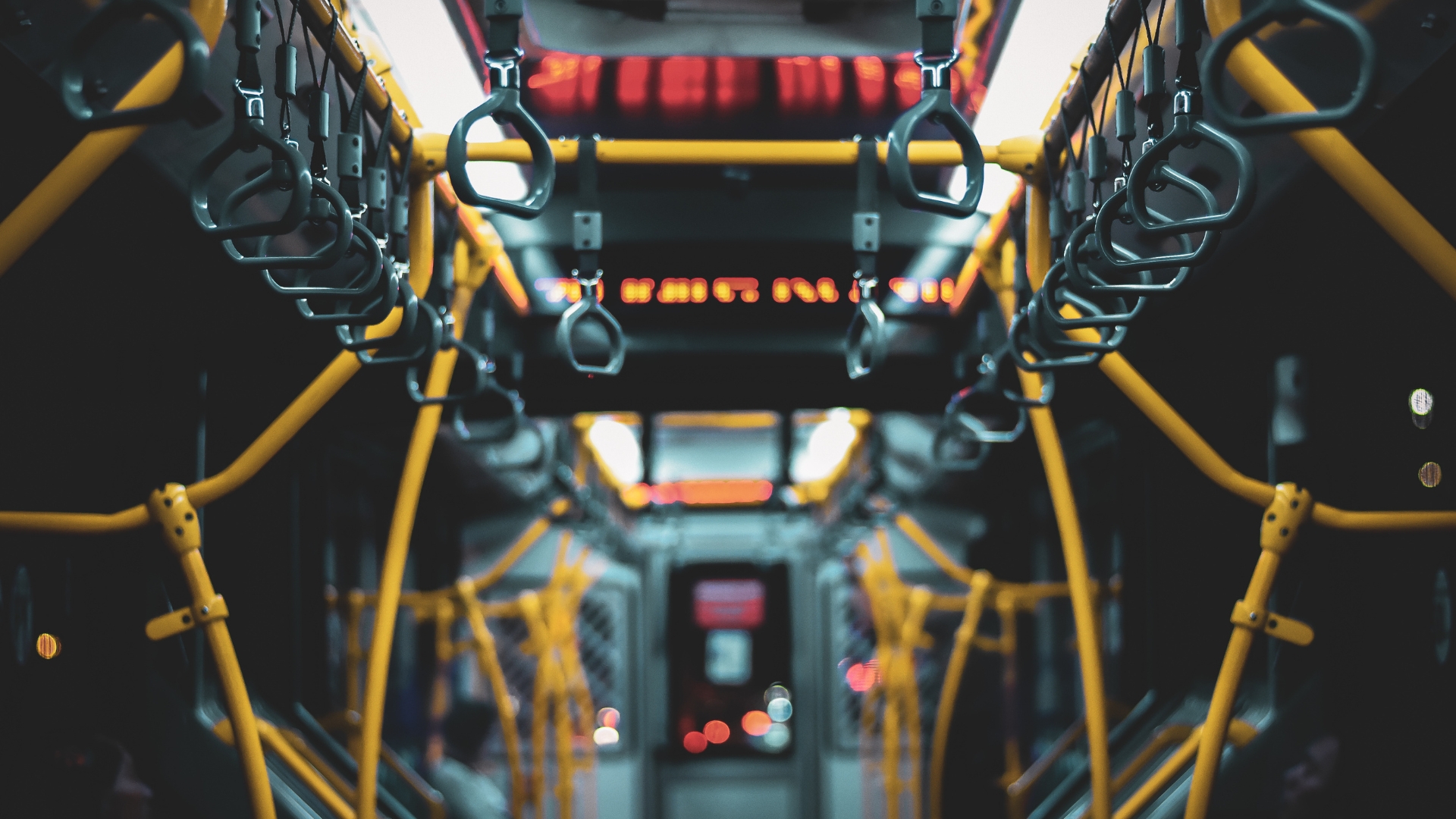
Jakarta expands regional mobility with the introduction of a new intercity bus service linking the capital to Bekasi. Officially announced in May 2025, this route becomes part of the Transjakarta intercity network and is designed to reduce traffic congestion, improve commuting efficiency, and offer better mobility options for daily travelers.

According to The Jakarta Post (2025), this expansion reflects the city government’s broader strategy to extend reliable and affordable public transportation throughout Greater Jakarta, or Jabodetabek. Bekasi, as one of the fastest-growing satellite cities, is home to many residents who commute daily to Jakarta for work.
“The new Transjakarta route is expected to reduce reliance on private vehicles and promote integrated public transportation between Jakarta and its neighboring cities,”
— The Jakarta Post, 2025
Details of the New Bekasi Route
The new line operates between Kampung Rambutan Terminal in East Jakarta and Jatimulya in Bekasi Regency. This direct connection provides commuters with an alternative to private cars, commuter trains, or complicated transfers involving angkot and other local transport.
Fares are set at Rp 3,500, consistent with other Transjakarta services, ensuring affordability for workers and students. During peak hours, buses run on a structured schedule to accommodate high commuter demand.
Importantly, the route is also designed to connect with other transport systems including MRT, LRT, and KRL commuter lines. This integration supports Jakarta’s long-term goal of creating a multi-modal transportation network that is more efficient and interconnected.
Why This Matters for Residents and Investors
At Noble Asia, we see connectivity as more than just infrastructure. It directly influences property value, livability, and long-term investment appeal. The new Jakarta–Bekasi intercity route carries several implications:
Broader Housing Choices for Professionals
With improved access between Bekasi and central Jakarta, professionals and expatriates may consider living outside the city center. Areas in Bekasi often offer larger homes and more competitive pricing, and the improved transit link makes commuting more feasible.
Growing Appeal of Transit-Oriented Areas
Properties located near transport nodes tend to attract stronger interest. Residential developments close to bus corridors or integrated transport hubs may see rising demand from renters and buyers seeking convenience.
Encouragement of Sustainable Urban Living
Expanding public transport options aligns with efforts to reduce private vehicle dependency. This shift supports cleaner mobility solutions and reflects global urban trends where residents value accessibility and reduced commuting stress.
Rising Potential in Emerging Corridors
As accessibility improves, districts such as Jatimulya, Pondok Gede, and Cibubur are gaining attention. Enhanced connectivity often precedes gradual increases in residential and commercial activity.
Accessibility as a Modern Real Estate Advantage
In Jakarta, mobility plays a crucial role in quality of life. Traffic conditions can significantly influence daily routines, making access to reliable transportation a valuable asset. As more intercity connections are introduced, Greater Jakarta becomes increasingly integrated, opening new residential and investment opportunities.
Whether you are an expatriate family evaluating schooling options, a professional seeking a quieter suburban setting, or an investor exploring growth areas, transportation infrastructure remains a critical factor in decision-making.
Looking for Well-Connected Homes?
At Noble Asia, we guide global residents in identifying properties that align with modern mobility needs, proximity to schools, and everyday convenience. As new transport routes reshape Greater Jakarta, we help you navigate opportunities in emerging and well-connected neighborhoods.