Bringing your phone to Indonesia for work, relocation, or a longer stay in Jakarta or Bali? Then IMEI registration is something you should understand early.
Many expats, frequent travelers, and long stay visitors only realize this rule after their phone suddenly stops connecting to an Indonesian mobile network. In general, Indonesia requires imported cellular devices to be registered so they can keep working with local SIM cards, while short term foreign visitors can also use international roaming without customs registration. Customs guidance further explains that foreign tourists staying no more than 90 days may access Indonesian networks through operator service channels, while longer stays require customs based registration.
This guide explains what IMEI registration is, who needs it, how the airport process works, what the tax threshold looks like, and how to keep using your device beyond 90 days. It is especially relevant for expats relocating to Jakarta, remote professionals based in Bali, and property owners who rely on OTP banking, WhatsApp, and local apps for daily life.
What Is IMEI Registration in Indonesia?
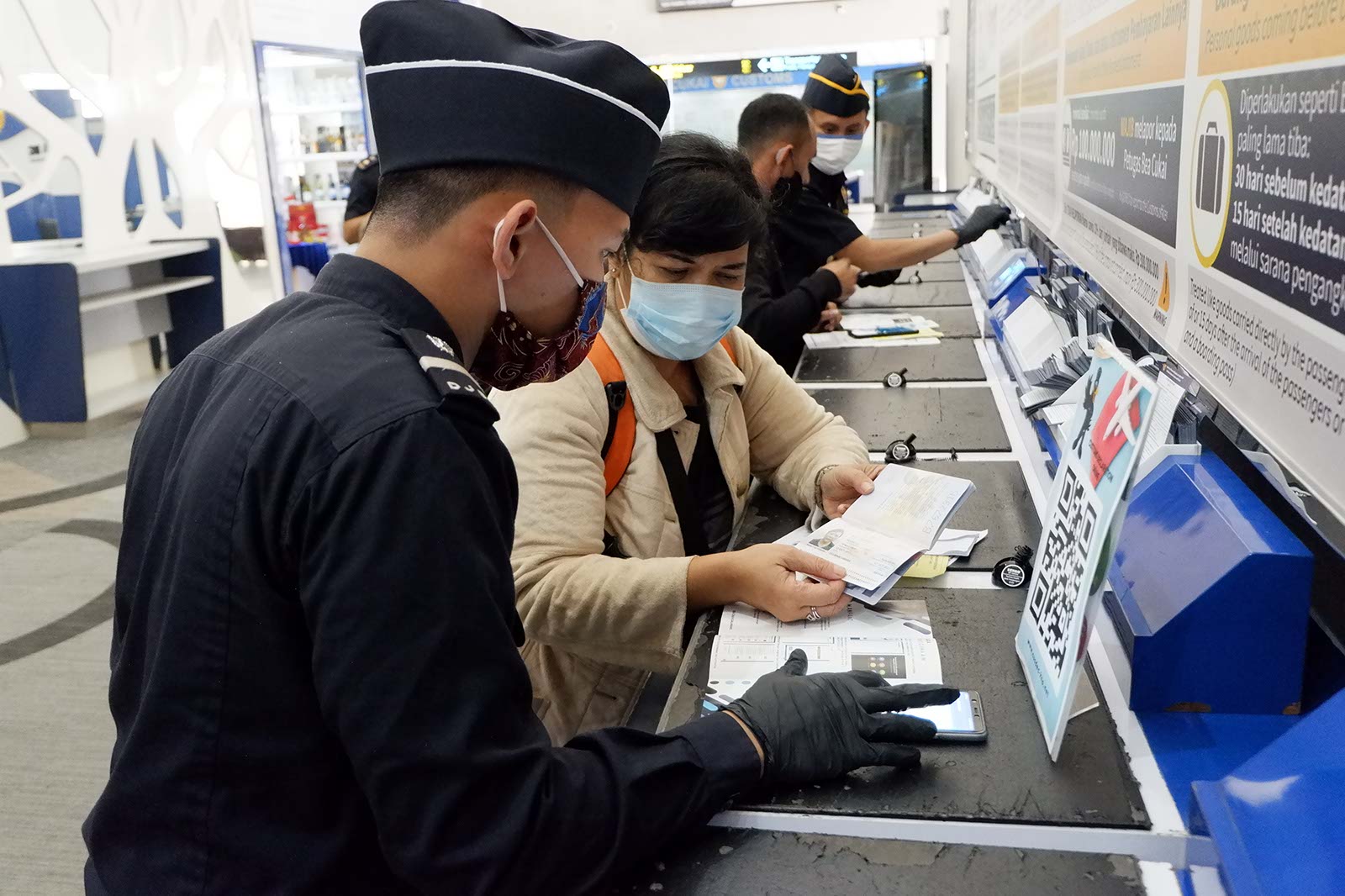
IMEI stands for International Mobile Equipment Identity. It is the unique identification number attached to your phone or cellular enabled tablet. Indonesia uses IMEI control to limit illegal device circulation and to ensure imported handphones, handheld computers, and tablets are properly declared if they will be used on Indonesian cellular networks. Customs explicitly states that registration is needed for foreign devices that will use an Indonesian SIM card.
In simple terms, your device may physically work, but if its IMEI is not recognized by the national system, your ability to use a local SIM card can be restricted. WiFi use is a separate matter and is generally unaffected because the block is aimed at cellular network access rather than the device itself.
Do Tourists Need to Register Their Phone?
Not always.
According to Indonesian Customs guidance, travelers who stay in Indonesia for no more than 90 days do not necessarily need full customs IMEI registration in order to access Indonesian networks, because temporary arrangements can be made through telecom operator service channels. Customs also states that travelers who continue using a foreign SIM on international roaming do not need customs IMEI registration.
That means the answer depends on how long you stay and how you intend to use the device:
- If you use international roaming, customs registration is generally not required.
- If you want to use an Indonesian SIM for a short stay, operator based access may be available for up to 90 days.
- If you plan to stay longer than 90 days and continue using Indonesian cellular service, customs registration becomes the safer and more permanent route.
This is why the rule matters so much for expats, digital nomads, investors, and long term residents.
How Much Does IMEI Registration Cost in Indonesia?
The registration itself is not presented as a separate service fee for passenger carried devices. The cost usually comes from import duty and import taxes if the phone’s declared value exceeds the duty free allowance. Customs states that passenger goods receive a duty free allowance up to USD 500, and the same threshold is referenced in official passenger goods guidance.
If the phone’s customs value is above that threshold, tax is charged on the excess value. Current official Customs FAQ material indicates the general rates used in the IMEI registration context are:
- Import duty of 10%
- VAT of 12%
- Import income tax under Article 22 of 10% if the passenger has NPWP, or 20% if not
Some older vertical office pages still show VAT at 11%, which reflects earlier rate references. For current practical use, the main Customs FAQ page is the better benchmark because it reflects the newer VAT position.
Simple Example
If your phone is valued at USD 1,000:
- The first USD 500 may fall under the passenger allowance
- The remaining USD 500 is the portion that may be taxed
- Customs then calculates duty and taxes on that taxable portion based on the applicable rates and exchange rate at the time of processing
The 2026 Update: All Indonesia Arrival Card
As of October 1, 2025, Indonesia launched the All Indonesia Arrival Card, a unified digital declaration system that replaced separate health, customs, and immigration paper forms. This is now mandatory for all travellers entering Indonesia by air, sea, or land, including Indonesian citizens.
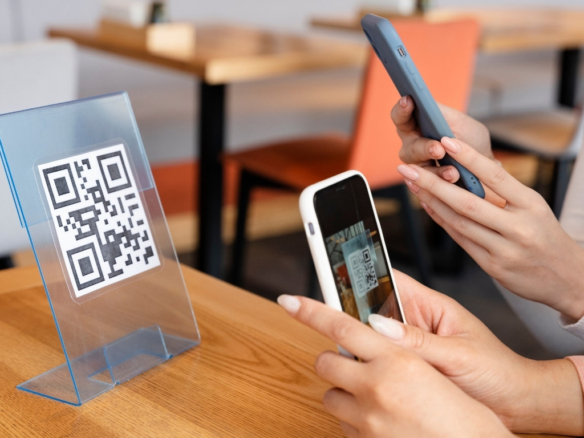
If you are bringing a foreign phone that you intend to use on an Indonesian cellular network for more than 90 days, you must declare it in the customs section of the All Indonesia Arrival Card before landing. The card generates a QR code, which you present at the customs IMEI registration counter upon arrival. The older electronic customs declaration (e-CD) system at beacukai.go.id can still be used for pre-registration, but the All Indonesia system is now the primary declaration channel.
Complete your declaration at allindonesia.imigrasi.go.id before your flight lands. Save the QR code as an offline screenshot in case of connectivity issues on arrival.
Step-by-Step: How to Register IMEI at Indonesian Airports
Before Your Flight
- Complete the All Indonesia Arrival Card at allindonesia.imigrasi.go.id/arrival-card-submission/personal-information. In the customs section, declare your phone if its value exceeds USD 500 or if you intend to use it on local networks long-term.
- Optionally pre-register at old.beacukai.go.id/websitenewV2/register-imei.html with your phone details: brand, model, RAM, storage, colour, IMEI number(s), and estimated price in USD. This generates a QR code you present at the counter.
- Save both QR codes offline. You will need them on arrival.
At Soekarno-Hatta International Airport (Jakarta)
- After baggage claim, proceed to the Customs counter in Terminal 3. The IMEI registration point is located in the departures hall on the ground floor behind the Zone 1 counters, at the end of the hall on the left.
- Present your passport, boarding pass, phone (physically), purchase receipt if available, and your All Indonesia QR code.
- The customs officer assesses the phone’s value, calculates any applicable tax, and processes payment. Payment is accepted in Indonesian Rupiah cash or via official payment channels at the counter.
- Processing takes approximately 15 to 30 minutes depending on the queue.
At Ngurah Rai International Airport (Bali)
- The IMEI registration area is located just before you exit the arrivals hall, in front of the customs X-ray zone after baggage claim.
- The same document and payment process applies as Jakarta.
- Bali’s counter is generally less congested than Jakarta’s Terminal 3, but peak arrival times can still create queues of 20 to 40 minutes.
IMEI Activation Timeline
After successful registration, your IMEI is activated in the national database within 1 to 2 business days, though in many cases activation occurs within a few hours. You can verify your IMEI status at imei.kemenperin.go.id by entering your device’s 15-digit IMEI number.
If You Missed Airport Registration
If you left the airport without registering and now realise your phone is losing network access, you have two options:
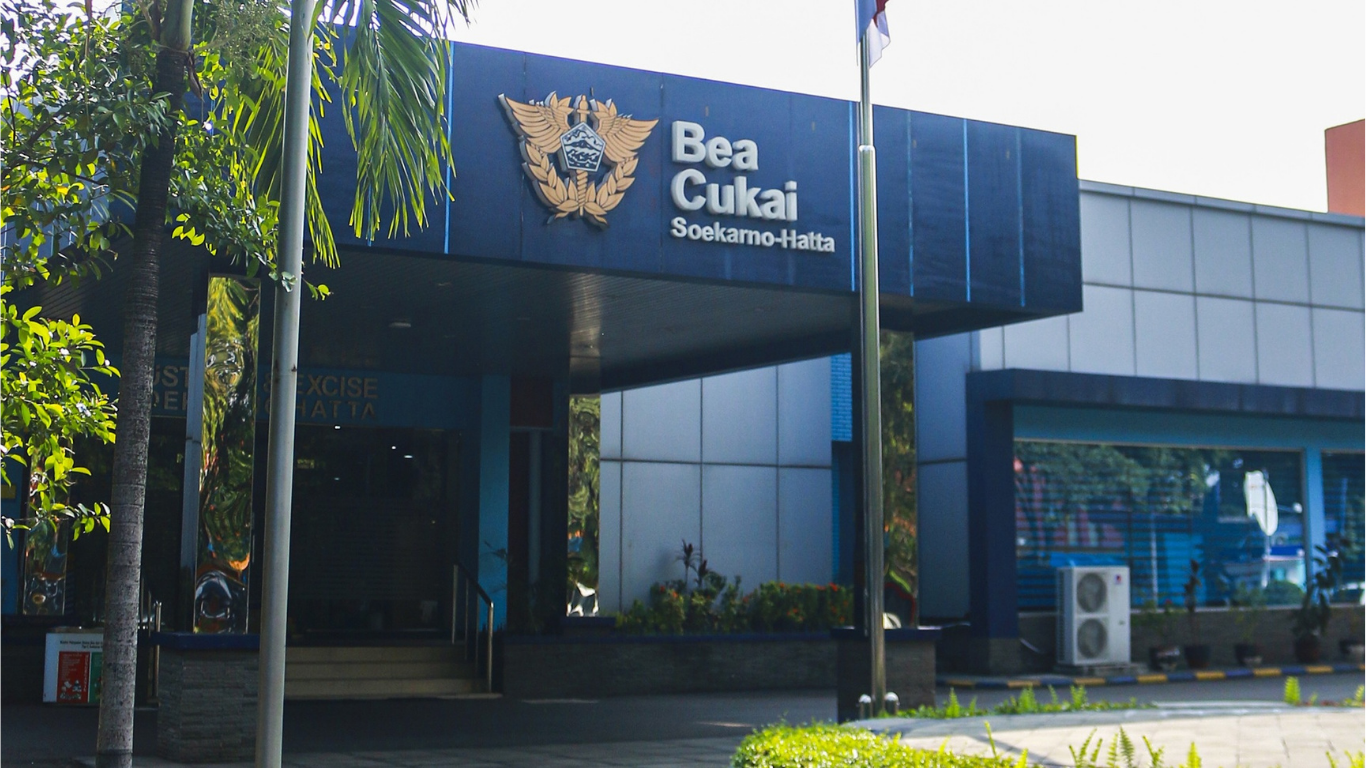
- Visit the nearest Bea Cukai (Customs) office. In Jakarta, the main office handling post-arrival IMEI registration is at the Customs and Excise Service Office in Soekarno-Hatta or the Customs Service Office in Jakarta. Bring your passport, phone, and proof of entry date. Note that at a customs office, the USD 500 duty-free deduction does not apply and tax is calculated on the phone’s full declared value.
- Purchase a locally distributed phone in Indonesia. For devices sold through official Indonesian retail channels, the IMEI is already registered in the national database. This is often the most cost-effective solution if your overseas device is high-value and you missed airport registration.
A third practical workaround for short-to-medium stays: continue purchasing local SIM cards or eSIMs from official carriers. Each activation resets a 30-day cellular access window. This is not a long-term compliance solution, but it is a common interim measure while arrangements are made.
How to Use Your Phone Beyond 90 Days in Indonesia
If you plan to stay in Indonesia long term, the safest path is to complete proper customs registration so the IMEI is recognized for local network use. Customs specifically distinguishes between foreign tourists staying up to 90 days and those staying longer than 90 days, with the longer category directed to Customs based IMEI registration through the Customs website or mobile application.
In practice, you have three realistic options:
1. Register the Device Properly
This is the best option if the phone is valuable to you and you want uninterrupted local SIM functionality. It is especially useful for KITAS holders, investors, and frequent travelers who rely on Indonesian numbers.
2. Buy a Locally Distributed Phone
This avoids the registration and import tax issue entirely because the device is already cleared for local network use. For some high value foreign phones, this can be the simpler route.
3. Use WiFi and Roaming
This can work for shorter or lighter use cases, but it is not ideal if you depend on local OTP messages, ride hailing apps, banking, or property management communication.
Why IMEI Registration Matters for Expats
For a tourist on a short holiday, losing local SIM access might just be inconvenient. For an expat or investor, it can disrupt real daily operations.
A blocked or unregistered phone can affect:
- Banking OTP access
- WhatsApp and phone verification
- Ride hailing apps like Gojek or Grab
- Immigration related apps and communication
- Property coordination in Jakarta or Bali
- School or family logistics
This is why IMEI registration is not just a tech issue. It is part of practical relocation planning.
Common Mistakes to Avoid
Here are the most common issues travelers run into:
- Assuming the phone will work indefinitely with an Indonesian SIM
- Forgetting the USD 500 passenger goods threshold
- Leaving the airport without visiting the Customs counter
- Not bringing basic supporting documents
- Waiting until the phone stops receiving local network service
Like many admin issues in Indonesia, the problem is usually easier to prevent than to fix.
How Noble Asia Can Help
Relocating to Indonesia involves far more than housing and visas. Small technical rules like IMEI registration can easily become frustrating if they are missed at the wrong time.
At Noble Asia, the value is not just in finding the right home. It is also in helping clients settle in with fewer surprises, fewer avoidable delays, and a better understanding of the admin details that affect everyday life in Jakarta and Bali.
IMEI registration in Indonesia is simple when handled early and confusing when ignored. If you are staying briefly, roaming or operator based short stay access may be enough. If you are staying longer than 90 days and want reliable use with an Indonesian SIM, proper Customs registration is the safer path. Official Customs guidance also makes clear that timing matters, airport registration is usually easier, the USD 500 allowance is important, and post airport registration comes with less favorable treatment.
Moving to Jakarta or Bali?
Let Noble Asia simplify your relocation, property search, and expat setup from housing to regulatory guidance.
👉 Contact Noble Asia for personalized advisory support.
📩 connect@nobleasia.id
📞 WhatsApp: +62 813 1668 5505
FAQ: How To Register IMEI Phone in Indonesia
How long can I use a foreign phone in Indonesia without customs registration?
Customs guidance says foreign tourists staying no more than 90 days can obtain Indonesian network access through operator service channels, while longer stays are directed toward Customs registration.
Do I need IMEI registration if I use roaming only?
No. Customs states that inbound roamers using foreign SIM cards do not need to register IMEI with Customs.
How much tax do I pay?
It depends on the declared value above the USD 500 allowance, plus the applicable import duty and taxes. Current Customs FAQ guidance references 10% import duty, 12% VAT, and import income tax of 10% with NPWP or 20% without NPWP.
Can I register the phone after leaving the airport?
Yes, but generally only within 60 days of arrival, and without the same passenger tax exemption benefit available in the customs area.
How many devices can I register?
Customs guidance commonly states a maximum of 2 devices per passenger in this context.