
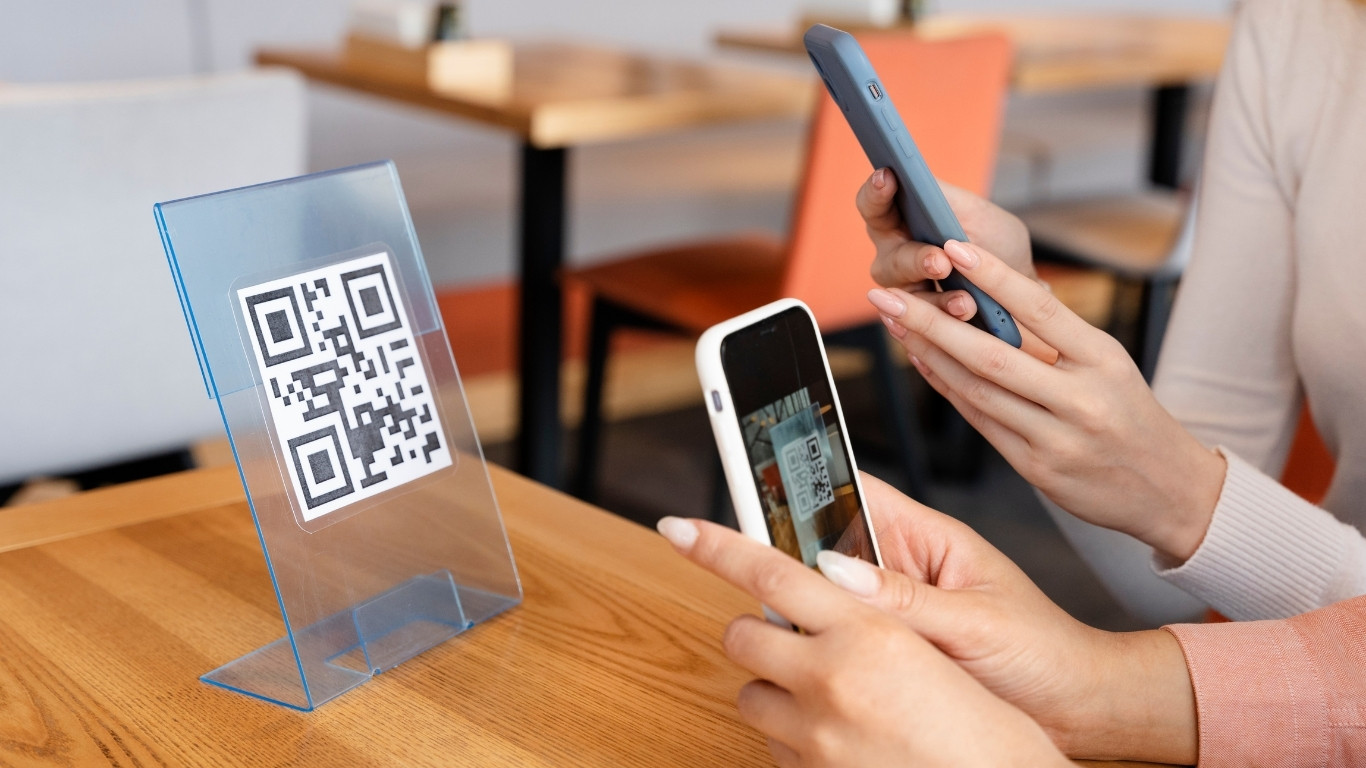
If you are living in Indonesia as an expat, one of the easiest ways to simplify daily life is by setting up a local e-wallet.
At first, it may seem like a small detail. But once you start using ride-hailing apps, ordering food, paying at convenience stores, scanning QR codes at coffee shops, or shopping online, you quickly realize that digital wallets are not just a convenience in Indonesia. They are part of how everyday life works.
Cash is still widely used, especially in smaller shops and traditional markets. But in major cities such as Jakarta and Bali, digital payments have become deeply integrated into the way people move, shop, and spend. Indonesia’s national QR payment system, QRIS, has played a huge role in making this possible by allowing multiple payment apps to work through one merchant QR code. (Bank Indonesia)
For expats, this creates a very practical question:
Which e-wallet should you actually use?
The four most common options are GoPay, OVO, DANA, and LinkAja. Each one has different strengths, top-up methods, verification rules, and practical benefits depending on whether you live in Jakarta, work remotely from Bali, or are simply settling into life in Indonesia for the first time.
This guide compares the main e-wallets in Indonesia so you can choose the right one for everyday use.
Why E-Wallets Are Essential in Indonesia
Digital wallets are no longer a “nice to have” in Indonesia. In many urban environments, they are simply part of the default payment ecosystem.
Expats in Jakarta and Bali often use e-wallets for:
- Ride-hailing services like Gojek
- Food delivery
- Convenience store purchases
- Cafés and restaurants
- Online shopping
- Mobile phone top-ups
- QR payments at small merchants
- Some parking and service payments
One of the biggest advantages is speed. Instead of waiting for change, dealing with inconsistent card acceptance, or carrying large amounts of cash, you can simply scan and pay.
Another reason they matter is that many merchants offer:
- Cashback
- App-only discounts
- Promotional bundles
- Loyalty rewards
In other words, using an e-wallet in Indonesia is not just more convenient. It can also be cheaper.
If you are still setting up your move, Noble Asia’s Articles and Insights can also help you understand the broader practical side of living in Indonesia.
Overview of Indonesia’s Major E-Wallet Apps

While Indonesia has several fintech apps, four names dominate everyday use.
GoPay
GoPay is one of the most practical wallets for new expats because it is built directly into the Gojek ecosystem.
That means GoPay is immediately useful for:
- Ride bookings
- Food delivery
- Courier services
- Merchant payments
- Everyday app-based spending
This is a major advantage for someone who has just arrived in Indonesia. Even before you know which mall or supermarket you will use most often, chances are high that you will use Gojek.
Another important detail for foreigners is verification. Gojek’s official help center states that foreign nationals can upgrade GoPay using a passport, which makes it one of the clearer e-wallet options for expats.
OVO
OVO remains one of Indonesia’s most recognizable digital wallets and is especially strong in urban retail environments.
It is commonly used for:
- Shopping malls
- Restaurants
- Lifestyle merchants
- Cashback promotions
- Loyalty rewards
- Retail payments
OVO is also still relevant for broader urban consumer use and continues to offer tiered wallet functionality with different limits and transfer features.
If you spend a lot of time in shopping centers, chain stores, or city-based lifestyle areas, OVO is often worth having.
DANA
DANA has become one of the most versatile all-around digital wallets in Indonesia.
It is widely used for:
- QRIS merchant payments
- Mobile top-ups
- Online purchases
- General daily spending
DANA is often appreciated for its clean user interface and broad QR payment usability. It works especially well for people who simply want a wallet that is easy to use without feeling too tied to a specific app ecosystem.
DANA also distinguishes between basic and premium account levels, with higher limits unlocked after verification.
LinkAja
LinkAja is slightly different from the other three.
It is backed by state-linked entities and is more closely associated with:
- Public transportation
- Toll roads
- Fuel stations
- Some government-related services
For most expats, LinkAja is less likely to become the primary daily wallet. But depending on your movement patterns and lifestyle, it can still be useful as a secondary option.
Top-Up Methods for E-Wallets in Indonesia
Before you can use any e-wallet, you need to load funds into it.
Fortunately, Indonesia offers several practical top-up methods.
1. Bank Transfers
Once you have a local Indonesian bank account, this becomes the easiest and most efficient top-up method.
Most major Indonesian banks allow direct top-up through:
- Mobile banking apps
- ATM menus
- Internet banking
- Virtual account transfers
This method is usually fast and, depending on your bank, often low-cost or free.
For long-term expats, this is the most seamless way to keep your wallet funded.
2. Convenience Stores
This is one of the most useful top-up methods for new arrivals.
Chains such as:
- Indomaret
- Alfamart
Allow users to top up many e-wallets directly at the cashier.
This is especially useful if:
- You do not yet have a local bank account
- You are still settling in
- You only want to top up smaller amounts in cash
For many expats, this is the “bridge method” during the first few weeks in Indonesia.
3. Mobile Banking and Debit Cards
Some wallets also support top-up through debit cards or linked payment channels, although this depends on the provider and your banking setup.
For example, OVO publicly lists multiple top-up channels including debit-based routes. (OVO Top-Up Guide)
In practice, this method becomes more useful after you are fully banked in Indonesia.
Identity Verification: NIK vs Passport for Expats
This is one of the most confusing parts of using Indonesian e-wallets as a foreigner.
What Is NIK Verification?
NIK stands for Nomor Induk Kependudukan, Indonesia’s national identity number.
Many digital wallets use verification to unlock higher account functionality.
Verification often enables:
- Higher wallet balance limits
- Transfers between wallets
- Withdrawals to bank accounts
- Better transaction flexibility
For Indonesian citizens, this process is usually tied to their KTP and NIK.
What Expats Can Do Without NIK
If you are a tourist or a new arrival, you may still be able to use many basic e-wallet functions without full verification.
This usually includes:
- Merchant payments
- QR payments
- Some top-up methods
- Everyday purchases
However, your account may be limited in terms of:
- Maximum balance
- Transfer features
- Cash-out capability
- Premium wallet functions
Using E-Wallets with KITAS
If you hold a KITAS, your options improve, but the process still varies by provider.
GoPay is one of the clearest examples of a wallet that allows foreign nationals to verify using a passport. (GoPay Help Center)
Other wallets may still require local style verification patterns or may not publicly advertise a smooth foreign user pathway.
In reality, many expats use e-wallets successfully without full functionality in the beginning, then gradually upgrade or diversify once their local banking and residence setup becomes more stable.
E-Wallet Fees and Limits Comparison
For most daily users, fees are not the biggest issue until you start transferring money often.
Still, here are the types of fees that matter most:
- Bank transfer fees
- Withdrawal fees
- Admin fees for certain top-ups
- Account limit restrictions
OVO
OVO publicly states that:
- Merchant transactions are generally free
- Transfers to bank accounts may cost Rp2,500
- Account limits vary depending on user tier
DANA
DANA has publicly explained that:
- Premium accounts allow higher balances
- Bank transfers may be free up to a monthly quota
- Additional transfer fees may apply after that quota
GoPay
GoPay’s fee structure can vary depending on transaction type and account status, but for most expats using it mainly for Gojek services and merchant payments, it remains one of the most practical and low-friction options.
What Actually Matters for Expats
If you mainly use your wallet for:
- Food
- Rides
- Cafés
- Small merchant payments
Then fees are usually not the deciding factor.
What matters more is:
- Can you top up easily?
- Can you verify if needed?
- Is it accepted where you actually spend money?
That is the real test.
Which E-Wallet Is Best for Expats in Jakarta?
If you live in Jakarta, the strongest practical combination is usually:
GoPay + OVO
Why?
Because Jakarta life often revolves around:
- Gojek
- Mall spending
- Restaurants
- Retail merchants
- QRIS convenience
GoPay is especially strong because of transport and delivery integration.
OVO is useful because of broad urban merchant familiarity and shopping ecosystem convenience.
GoPay + DANA
This is also a very strong alternative, especially if you prefer:
- Simpler QRIS usage
- Less retail loyalty dependence
- More all-around merchant flexibility
In reality, many expats in Jakarta simply install two wallets and use whichever works best depending on the merchant.
Best E-Wallets for Everyday Life in Bali
Bali is slightly different from Jakarta.
The island is highly digital in many expat-heavy and tourist-heavy areas such as:
- Canggu
- Ubud
- Seminyak
- Sanur
- Uluwatu
Here, QR payments are very common in:
- Cafés
- Coworking spaces
- Restaurants
- Lifestyle shops
- Wellness businesses
Best Picks for Bali
The most practical Bali combination is usually:
GoPay + DANA
Why?
Because both are useful for:
- QRIS payments
- Flexible merchant acceptance
- Daily convenience
- Lifestyle spending
GoPay also remains helpful for transport and delivery where applicable, while DANA works well for more general QR-based merchant use.
If you are a digital nomad or remote worker, this pairing usually covers most of your day-to-day needs.
Practical Tips for Expats Using E-Wallets in Indonesia
If you are just getting started, these habits will save you a lot of frustration:
- Install at least two wallet apps
- Use QRIS whenever possible
- Top up before you actually need it
- Keep a small amount of cash for backup
- Connect your wallet to ride-hailing apps
- Do not assume every feature will work before verification
- Open a local bank account as early as possible
Think of e-wallets in Indonesia like local transport apps. Once they are set up properly, they become part of your everyday rhythm.
Moving to Indonesia: Digital Essentials for New Residents
Setting up e-wallets is only one part of settling into Indonesia.
Other important digital and practical essentials include:
- Local SIM cards
- Mobile banking
- Housing setup
- Address registration
- Banking and NIK-related admin
- Property and relocation planning
For expats moving to Jakarta or Bali, the smoother these systems are aligned, the easier life becomes in the first few months.
That is why practical setup matters just as much as visas or housing.
How Noble Asia Can Help
Moving to Indonesia is not only about finding the right home. It is also about understanding how daily life actually works once you arrive.
At Noble Asia, we help expats and international clients navigate life in Indonesia with support that goes beyond property.
That includes:
- Relocation assistance
- Property search in Jakarta and Bali
- Long-term housing support
- Settlement guidance
- Lifestyle setup considerations
There is no single perfect e-wallet in Indonesia for every expat.
But there is a smart starting point.
For most new arrivals:
- GoPay is the best first download
- OVO is strong for Jakarta retail and urban spending
- DANA is excellent for flexible QRIS-based daily payments
- LinkAja is useful in more specific service-based scenarios
The best strategy is usually not to choose just one. It is to choose the right two.
Once you do, Indonesia’s digital payment ecosystem starts to feel less confusing and much more convenient.
And once that happens, everyday life gets easier very quickly.
FAQ: Indonesia E-Wallets for Expats
Which e-wallet is best in Indonesia?
For most expats, GoPay is the most practical first choice, while OVO and DANA are strong complementary options depending on where and how you spend.
Can foreigners use e-wallets in Indonesia?
Yes. Foreigners can generally download and use many Indonesian e-wallet apps, although some advanced features may require verification.
Do I need Indonesian ID to use GoPay or OVO?
Not always for basic usage, but full account functionality often requires verification. GoPay publicly allows passport verification for foreigners. (GoPay Help Center)
Can tourists top up Indonesian e-wallets?
Yes. Convenience stores and some other channels make this possible even without a local bank account.
Is QR payment common in Indonesia?
Yes. QRIS is widely used across Indonesia and is one of the main reasons digital wallets are so practical. (Bank Indonesia QRIS)
Which wallet works best with ride-hailing apps?
GoPay is the strongest choice because it is directly integrated with Gojek.
Can I withdraw money from an e-wallet in Indonesia?
Some wallets allow it, but it usually depends on account verification and provider-specific rules.



Join The Discussion