

For many foreigners, Indonesia is no longer just a short-term assignment destination. It has become a place where people build careers, raise families, start businesses, explore property opportunities, and create a lifestyle that feels more flexible.
The Expat Insider 2025 Survey Report by InterNations gives a useful look into how expats around the world rate their life abroad. The survey was conducted from 1 to 28 February 2025, with 10,085 expats representing 172 nationalities. To be included in the ranking, each destination needed at least 50 respondents, and 46 destinations met this requirement in 2025.
For Indonesia, the result is clear: despite practical challenges, many expats still see the country as one of the most attractive places to live abroad. Indonesia ranked 8th overall out of 46 destinations in the Expat Insider 2025 ranking, placing it among the global top 10 expat destinations. InterNations’ official country page also highlights Indonesia’s strong performance in settling in, personal finance, and expat essentials.
For NOBLE ASIA, these findings reflect what we often see in real relocation journeys. Moving to Indonesia is not only about finding a house or apartment. It is also about choosing the right area, understanding local expectations, building a daily routine, and having the right support from the beginning.
What the Expat Insider 2025 Report Measures
The ranking is not based only on hard data such as income, infrastructure, or cost. It focuses on how expats personally rate their life abroad. This makes it especially useful for understanding the emotional and practical side of relocation.
The report measures five main indices: Quality of Life, Ease of Settling In, Working Abroad, Personal Finance, and Expat Essentials. These are then combined with expats’ general happiness level to create the overall ranking.
Quality of Life, Personal Finance, Housing, and Settling In
The report looks at many everyday factors that matter after arrival. These include healthcare, public transport, safety, social life, housing, language, admin topics, working conditions, and financial comfort.
For Indonesia, the strongest results are found in areas that often shape the first impression of living abroad: Personal Finance, Housing, Expat Essentials, and Ease of Settling In. Indonesia ranked 6th for Personal Finance, 8th for Expat Essentials, and 4th for Ease of Settling In. It also ranked 7th for Housing and 1st for Local Friendliness.
Why Subjective Expat Experience Matters
A country can look good on paper but still feel difficult to live in. The opposite can also happen. A place may have traffic, bureaucracy, or infrastructure issues, but still feel warm, affordable, social, and easy to enjoy.
That is why subjective expat experience matters. Relocation is not just a checklist. It is a daily feeling. Do you feel welcome? Can you find housing? Does your budget work? Can you build a support network? Do you enjoy your weekends?
Indonesia’s ranking suggests that many expats find enough positives in these areas to rate their overall experience highly.
Indonesia Ranks 8th Overall for Expats in 2025
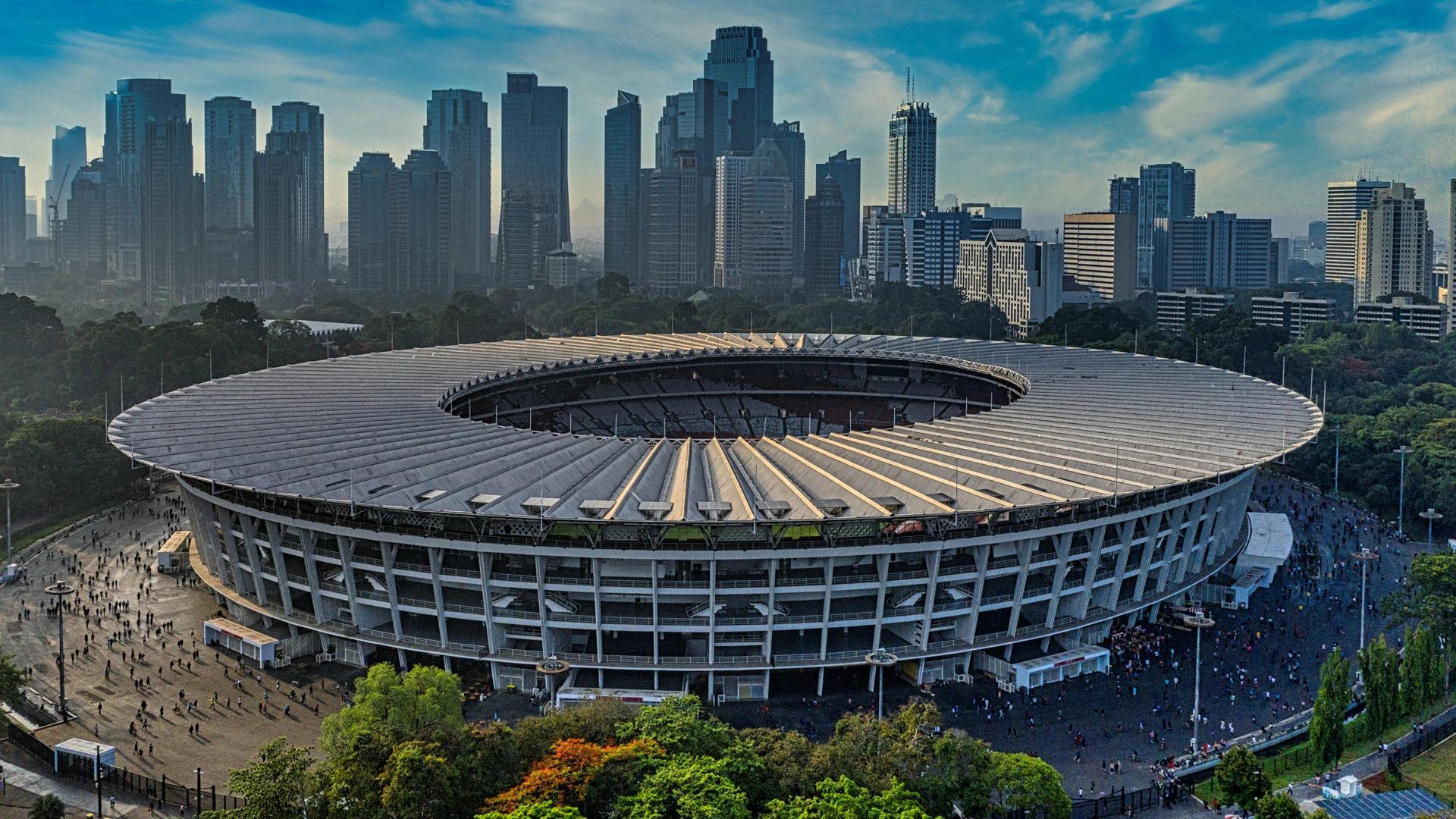
Indonesia’s 8th place overall puts it ahead of many established expat destinations. The top 10 in 2025 are Panama, Colombia, Mexico, Thailand, Vietnam, China, UAE, Indonesia, Spain, and Malaysia.
This also shows a wider regional trend. Asian countries make up half of the top 10, with Thailand, Vietnam, China, Indonesia, and Malaysia all ranking strongly. InterNations notes that one common strength across these Asian destinations is satisfaction with Personal Finance and Housing.
A Strong Position Among Global Expat Destinations
For expats considering Jakarta, Bali, or other parts of Indonesia, this ranking tells an important story. Indonesia is not perfect, but it offers a strong mix of affordability, friendly local culture, housing access, and lifestyle opportunities.
Indonesia also ranked 9th for General Happiness, showing that many expats feel positive about their life in the country overall.
Why Asia Continues to Attract Expats
Asia’s strong performance in the 2025 ranking is not surprising. Many expats are drawn to the region because of lower living costs, dynamic cities, business opportunities, lifestyle variety, and more accessible housing.
Indonesia fits this pattern well. Jakarta offers business access, corporate opportunities, international schools, and a wide housing market. Bali offers a more lifestyle-driven environment with villas, wellness spaces, creative communities, and long-stay living.
BPS data also shows that international travel into Indonesia remained active in 2025. In May 2025, international visitor arrivals reached 1.31 million, up 14.01% year-on-year, while Bali recorded 602,213 direct foreign tourist visits in the same month. While tourism data is not the same as expat relocation, it reflects continued global interest in Indonesia as a destination.
Indonesia’s Strengths: Finance, Housing, and Settling In
Indonesia’s best performance in the Expat Insider 2025 report comes from practical areas that directly affect everyday life.
Personal Finance as a Major Advantage
Indonesia ranked 6th out of 46 for Personal Finance. This index measures expats’ satisfaction with cost of living, financial situation, and whether their disposable household income is enough for a comfortable life.
For many expats, this is a major advantage. Compared with cities like Singapore, Hong Kong, London, Sydney, or Tokyo, Indonesia can offer more flexible living options. Rent, food, domestic help, transport, and lifestyle spending can often feel more manageable, depending on income level and lifestyle.
This does not mean everything is cheap. Premium apartments in SCBD, luxury villas in Bali, international schools, imported goods, and private healthcare can still be expensive. But for many foreign residents, the overall value can feel stronger than in many other major cities.
Housing That Feels More Accessible
Housing is one of Indonesia’s biggest strengths in the report. Indonesia ranked 7th for Housing, and InterNations notes that housing is a common advantage among top Asian destinations in 2025.
For Jakarta, this is especially relevant. Expats can find a wide range of options, from serviced apartments in Sudirman and SCBD to family houses in Kemang, Cipete, Cilandak, Pondok Indah, and Menteng.
However, “easy to find housing” does not always mean “easy to choose the right housing.” Jakarta’s traffic, lease terms, flood risk, building management quality, maintenance standards, and school commute can all affect whether a home truly works in daily life.
A property may look good online, but the real question is whether it fits the expat’s routine.
Local Friendliness and Social Life
Indonesia ranked 1st for Local Friendliness, 4th for Finding Friends, and 4th for Culture & Welcome. Overall, it ranked 4th in the Ease of Settling In Index.
This is one of Indonesia’s strongest emotional advantages. Many expats find Indonesians warm, open, and welcoming. For newcomers, this can make a big difference, especially during the first months after arrival.
A friendly environment helps reduce the feeling of isolation. It makes daily interactions easier. It also helps expats feel that they are not just living in a new country, but slowly becoming part of it.
The Reality Check: Quality of Life Challenges
The report is also useful because it does not only show the positive side. Indonesia ranked 40th for Quality of Life, which shows that expats still face practical challenges.
This is important to mention honestly. Indonesia can be rewarding, but it requires the right expectations.
Travel, Transit, Environment, and Safety Considerations
Indonesia’s weaker Quality of Life ranking is linked to areas such as Travel & Transit, Environment & Climate, Healthcare, and Safety & Security. In the detailed index, Indonesia ranked 45th for Travel & Transit, 43rd for Environment & Climate, 35th for Healthcare, and 31st for Safety & Security.
For Jakarta, the most obvious issue is mobility. Traffic can change the entire experience of living in the city. A distance that looks short on Google Maps may feel very different during school drop-off or evening rush hour.
Jakarta’s transport network is improving, but location choice still matters. BPS Jakarta reported that MRT Jakarta had over 3.53 million passengers in January 2025, up 12.80% year-on-year, while LRT Jakarta passenger numbers also increased year-on-year. This shows growing public transport use, but for many expats, daily convenience still depends heavily on where they live, work, and send their children to school.
Why Jakarta Requires Local Guidance
Jakarta is not a city where you should choose housing by price alone. A cheaper house may create a longer commute. A larger apartment may be in a building with weaker maintenance. A beautiful area may not fit your school route.
For families, the home search should consider:
- distance to school
- distance to office
- traffic patterns
- access to healthcare
- neighborhood safety
- flood risk
- building management
- backup power and water systems
- grocery access
- sports, community, and lifestyle facilities
This is where local relocation support can change the experience. The right guidance helps expats avoid common mistakes before they become daily frustrations.
What This Means for Expats Moving to Jakarta
Jakarta remains one of Indonesia’s main relocation destinations, especially for corporate assignments, business owners, diplomats, entrepreneurs, and international families.
Choosing the Right Neighborhood
Different neighborhoods serve different lifestyles.
For professionals and executives, Sudirman, SCBD, Thamrin, Kuningan, and Senopati are often attractive because they are close to offices, embassies, hotels, restaurants, and premium malls.
For families, Kemang, Cipete, Cilandak, Pondok Indah, and Menteng often become stronger options because they offer larger houses, access to international schools, quieter residential streets, gardens, and established expat communities.
There is no single “best” area for every expat. The right neighborhood depends on work location, school needs, lifestyle, budget, family size, and tolerance for commuting.
Housing Is Not Just About Price
Many expats begin their search by comparing rent. That is understandable, but rent is only one part of the decision.
A good home should support daily life. It should make school runs manageable, keep work commutes realistic, provide access to daily needs, and offer maintenance standards that reduce stress.
For apartment living, building management is important. For houses, maintenance, security, plumbing, electrical systems, and landlord responsiveness matter. For families, road access and proximity to schools can be just as important as the house itself.
Why Relocation Support Changes the Experience
The Expat Insider report shows that Indonesia performs well in settling in, but that does not mean every expat journey is automatically smooth.
New arrivals still need help with area orientation, home search, lease terms, utilities, internet setup, household staff, transport options, clinics, groceries, and school search.
A smooth relocation experience is rarely accidental. It usually comes from preparation, local knowledge, and responsive support.
What This Means for Bali and Lifestyle Moves
While Jakarta is often linked to work and corporate relocation, Bali attracts expats for a different reason: lifestyle.
Bali appeals to remote workers, entrepreneurs, retirees, wellness-focused residents, creatives, families seeking a different pace of life, and foreign investors exploring villa ownership or long-stay arrangements.
Lifestyle Appeal Beyond Work Relocation
Bali offers a different kind of expat experience. It is less about office proximity and more about lifestyle fit, community, wellness, property management, and long-term practicality.
BPS Bali data shows that direct foreign tourist arrivals to Bali reached over 602,000 visits in May 2025, with Australian visitors forming the largest share. This continued international demand supports Bali’s global visibility, but it also adds pressure to infrastructure and property markets.
Villa Living, Long-Stay Plans, and Property Management
Villa living can feel attractive, but it also comes with operational responsibilities. Expats and foreign investors need to think about maintenance, staffing, security, pool care, garden care, licenses, taxes, rental use, and vendor management.
A villa is not just a home. It can become an operation.
For long-stay residents or investors, the right support structure matters. Without it, a lifestyle asset can quickly become a source of stress.
How NOBLE ASIA Helps Expats Settle Better in Indonesia
Indonesia is one of the top expat destinations in 2025, but moving here still comes with real challenges, from choosing the right area to understanding housing, traffic, schools, and daily routines.
That is where NOBLE ASIA helps.
Because finding a home is only the first step. The real goal is helping expats feel settled, supported, and ready to enjoy life in Indonesia.
Planning to move to Indonesia?
Whether you are relocating to Jakarta, searching for a family home, comparing apartments near SCBD, or planning a lifestyle move to Bali, NOBLE ASIA helps make the process clearer and smoother from day one.
FAQ Expat Insider 2025
Is Indonesia a good place for expats in 2025?
Yes. According to the Expat Insider 2025 report, Indonesia ranks 8th out of 46 destinations overall, with strong results in Personal Finance, Expat Essentials, Housing, Ease of Settling In, and General Happiness.
Why do expats like living in Indonesia?
Many expats enjoy Indonesia because of its relatively accessible cost of living, housing options, friendly local culture, social life, food scene, and lifestyle variety. Jakarta offers business access, while Bali offers a more lifestyle-driven environment.
Is Jakarta a good city for expats?
Jakarta can be a good city for expats, especially for professionals, families, and executives who need access to business districts, international schools, healthcare, and established expat communities. The key is choosing the right neighborhood.
Where do expats usually live in Jakarta?
Popular expat areas in Jakarta include Sudirman, SCBD, Thamrin, Kuningan, Senopati, Kemang, Cipete, Cilandak, Pondok Indah, and Menteng. The best area depends on office location, school access, lifestyle, and budget.
Is housing easy to find in Indonesia for expats?
Yes, housing is one of Indonesia’s stronger areas in the Expat Insider 2025 report. Indonesia ranks 7th for Housing, which reflects expats’ satisfaction with affordability and availability.
What are the biggest challenges for expats in Jakarta?
Common challenges include traffic, air quality, public transportation limitations, different lease practices, maintenance expectations, and understanding local systems. These can be managed better with proper relocation support.
Is Bali better than Jakarta for expats?
It depends on the purpose of the move. Jakarta is better for corporate relocation, business access, and school-driven family relocation. Bali is more suitable for lifestyle moves, wellness, remote work, villa living, and hospitality-related property interests.
Do expats need relocation services in Indonesia?
Relocation services are highly helpful, especially for expats unfamiliar with Jakarta or Bali. Support can include home search, school search, area orientation, lease review, utilities setup, move-in coordination, and settling-in assistance.
What should expats consider before renting a house in Jakarta?
Expats should consider commute, flood risk, security, maintenance standards, lease terms, payment schedule, proximity to school or office, nearby healthcare, and daily convenience.
How can NOBLE ASIA help expats moving to Indonesia?
NOBLE ASIA supports expats with property search, relocation assistance, neighborhood guidance, school search, settling-in services, home setup, property advisory, and villa management coordination.