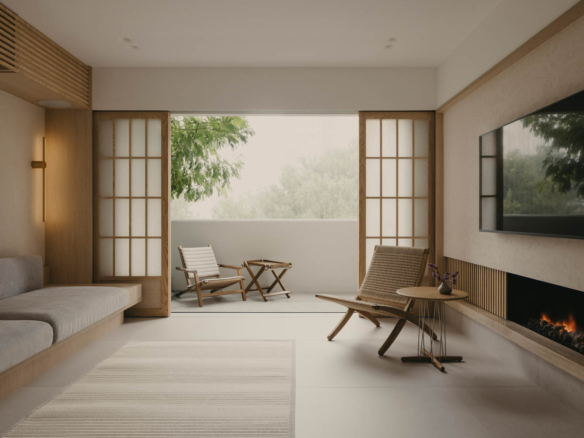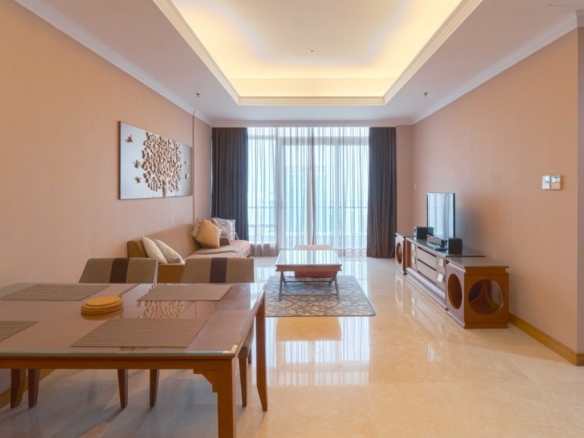
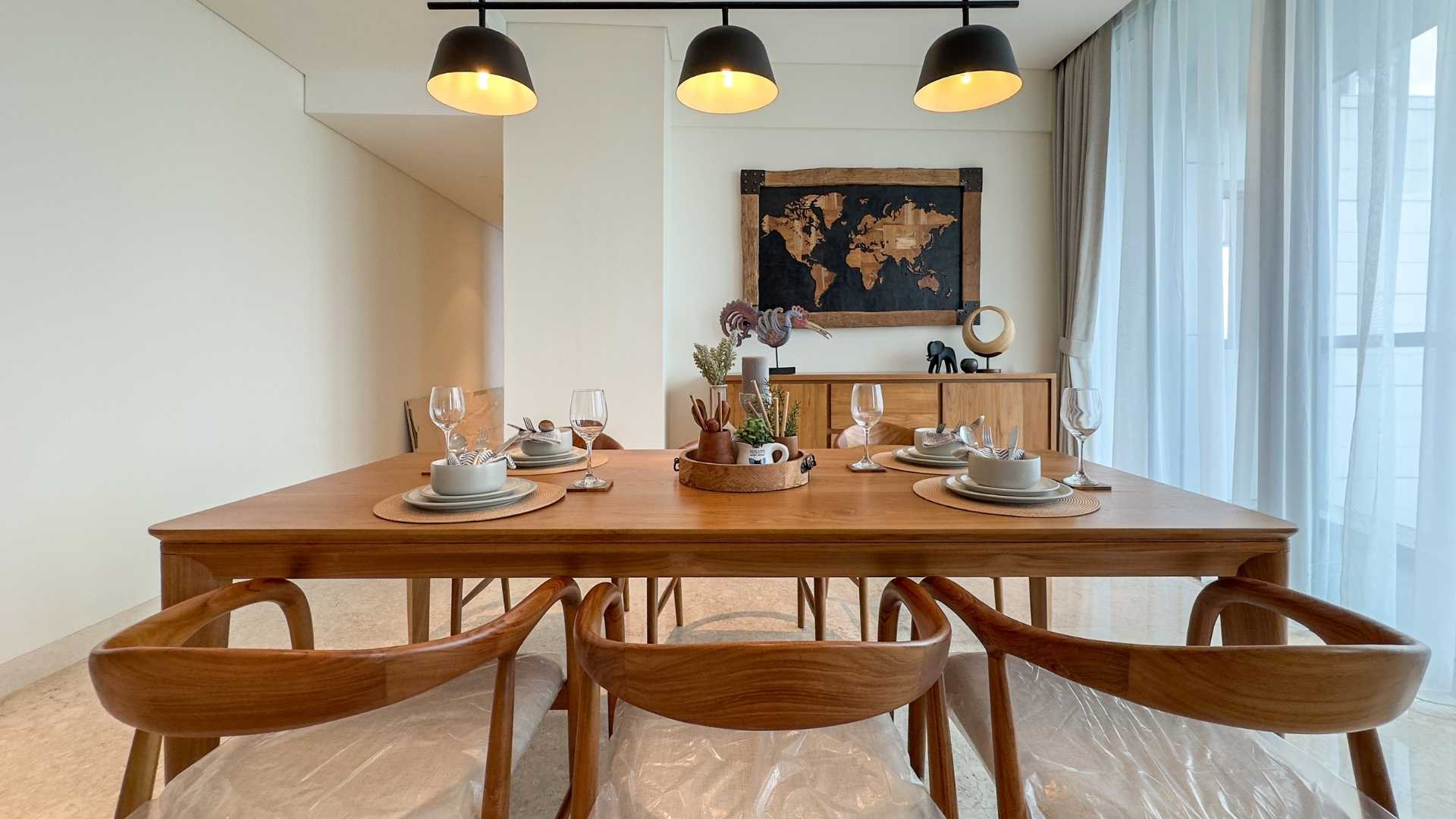
A small apartment does not have to feel small. In most cases, the problem is not the unit size itself. It is the layout, furniture scale, lighting, storage, and the way the space is visually organized. When every corner is planned with intention, a compact apartment can feel open, stylish, and genuinely premium.
This matters especially in Jakarta, where apartments in Sudirman, SCBD, Thamrin, Kuningan, Senopati, and Kemang are designed for practical city living. Great location, but not always generous floor space. The good news is that you do not need a bigger unit to get a better living experience. You need smarter layout decisions.
As small apartment design research consistently shows, the key trends for 2025 center on open layouts, modular furniture, smart zoning, and layered lighting, not simply having more square meters. Here are five layout tricks that make a real difference.
Small Apartment Does Not Have to Mean Small Living
Why layout matters more than square meters
When people picture a penthouse, they imagine open space, clean furniture, and a sense of calm. But that feeling does not come from size alone. It comes from proportion, flow, light, and control. Two apartments with the exact same floor plan can feel completely different depending on how they are furnished and organized.
How a compact apartment can still feel premium
- The layout is easy to move through with clear walking paths
- Furniture does not visually overpower the room
- Storage is hidden but accessible so surfaces stay clear
- Lighting creates depth and warmth rather than flat brightness
- Colors and materials feel cohesive across the whole space
These are intentional choices, not expensive ones. And they are what separate a compact apartment that feels cramped from one that feels curated.
1. Create Clear Zones Without Blocking the Space
Use furniture to separate living, dining, and working areas
A small apartment often needs to do many things at once. The same open area might serve as a living room, dining area, work corner, and guest space, sometimes all in the same day. Without clear zoning, everything blends together and the space starts to feel chaotic even when it is technically tidy.
The trick is to define zones without heavy dividers that cut off light or make the space feel boxed in. Use furniture arrangement and styling to signal what each area is for.
Why open flow matters in small apartments
Open flow is what makes a small apartment feel easy to live in.
If you have to squeeze between the sofa and coffee table, move a chair just to access a cabinet, or walk around furniture awkwardly, the apartment will feel smaller than it is.
The goal is simple: each area should have a purpose, but the whole apartment should still feel connected. In compact units, flow is luxury.
2. Choose Furniture That Looks Light, Not Heavy
Slim profiles, raised legs, and modular pieces
Furniture can make or break a small apartment. A bulky sofa, oversized coffee table, or heavy dining set can make the entire unit feel smaller, even if everything technically fits. When furniture dominates the room visually, the space starts to feel like a storage area rather than a living space.
How furniture scale changes the feeling of the room
Scale is everything.
Small furniture is not always the answer. The right-sized furniture is. A sofa that is too small can look awkward, while a properly scaled sofa can make the room feel balanced and elegant.
Before buying anything, measure the room carefully. Do not only measure the wall. Measure the walking path, the distance between sofa and coffee table, the space needed to pull out dining chairs, and the access to balcony doors or cabinets.
The furniture should support the apartment, not overpower it.
3. Push the Eye Upward
Use vertical storage, tall curtains, and wall styling
If floor space is limited, use the height of the room. Many small apartments feel cramped because all the visual activity stays at floor level while the walls above stay empty and underused. Drawing the eye upward creates the perception of more height, which makes the overall space feel significantly more generous.
Why height makes a room feel more spacious
- Floor-to-ceiling curtains hung from rods placed close to the ceiling, not directly above the window
- Tall mirrors that reflect both light and depth
- Vertical artwork or wall panels that guide the eye upward
- Full-height wardrobes or slim tall cabinets
- Hanging pendant lights that draw attention up.
The curtain placement trick costs almost nothing. Moving the curtain rod 10 to 15 centimeters below the ceiling makes the window look larger and the ceiling feel higher. Small change, genuinely big effect, and particularly useful in Jakarta apartments that have decent ceiling height but limited floor area.
4. Use Lighting Like a Luxury Apartment
Why one ceiling light makes a space feel flat
A single overhead light may illuminate the room, but it flattens everything out. Shadows disappear, depth disappears, and the apartment ends up feeling more like an office than a home. Luxury apartments feel different because the lighting is layered: light for function, light for mood, and light that highlights parts of the space to create visual interest and warmth.
Layered lighting for a warmer, more premium feel
Use a mix of lighting:
- Ceiling lights for general brightness
- Floor lamps for soft corners
- Table lamps for side areas
- Wall sconces to save floor space
- Under-cabinet lighting in the kitchen
- LED strips for shelves or cabinets
- Pendant lights above dining areas
- Warm lighting for evening atmosphere
For apartments in SCBD, Senopati, and Thamrin, lighting can help create a more premium city-living feel. This is especially important if the apartment is for rental because lighting affects how the unit looks in photos, videos, and viewings.
Lighting is not just about brightness. It is about the atmosphere.
5. Hide the Clutter, Keep the Visual Flow Clean
Smart storage that does not make the room feel packed
Smart storage should be practical but not visually heavy.
Good options include:
- Storage bed
- Built-in wardrobe
- Floating TV cabinet
- Entryway shoe cabinet
- Hidden laundry storage
- Drawer organizers
- Closed kitchen cabinets
- Storage ottoman
- Wall-mounted shelves
- Tall cabinets for unused vertical space
The key is to keep daily items easy to access but not always visible.
For example, instead of leaving shoes, umbrellas, bags, and delivery packages near the entrance, create a compact entryway cabinet. The apartment immediately feels cleaner from the moment someone walks in.
Why clear surfaces make an apartment feel more expensive
- Storage bed with under-bed drawers
- Built-in wall-to-wall wardrobe in the bedroom
- Floating or wall-mounted TV cabinet
- Entryway shoe cabinet to contain entrance clutter
- Closed kitchen cabinets to hide appliances and supplies
- Storage ottoman in the living area that doubles as seating
For Jakarta expats and professionals, good storage planning is essential because apartments need to support multiple daily routines at once: work, hosting, cooking, and travel gear. When everything has a proper place, the apartment feels calmer, larger, and significantly more expensive.
How These Tricks Work for Jakarta Apartments
Sudirman, SCBD, Thamrin, Kuningan, and Senopati apartments
Central Jakarta apartments attract expats, executives, and professionals because of location convenience. But that convenience often comes with compact floor plans. Studio, one-bedroom, and smaller two-bedroom layouts are common across these areas, and they need smart interior planning to feel genuinely livable rather than just functional.
The five tricks work together directly here: zoning with furniture and rugs keeps open-plan layouts from feeling chaotic, visually light furniture prevents compact rooms from feeling overwhelmed, vertical elements activate unused wall height, layered lighting upgrades how the unit feels and photographs, and hidden storage keeps daily life organized and calm.
Compact units for expats, young professionals, and rental tenants
For expats relocating to Jakarta, a well-planned compact apartment can feel welcoming from day one rather than a temporary space to tolerate. For rental property owners, a properly designed small unit photographs better, feels more move-in ready, and commands stronger tenant interest in a competitive market like SCBD or Senopati.
When Should You Work With an Interior Design Team?
These five tricks can each be applied independently. But when they work together, the effect is significantly more powerful. If you want to maximize the result, small apartment interior design support from Noble Design can help you plan the zoning, select the right furniture scale, set up layered lighting, and design integrated storage from the start, so nothing is left to chance.
Consider working with an interior design team if:
- Your apartment feels smaller or more awkward than expected
- You are not sure what furniture size will actually work in the space
- The current layout feels inefficient or hard to use comfortably
- You are preparing the apartment for rent and want it to photograph and show well
- You are relocating to Jakarta and want the apartment ready before you arrive
- You want a cohesive result rather than furniture and lighting chosen piece by piece
And if you are still searching for the right unit in Jakarta, find the right apartment in Jakarta with Noble Asia, which also supports expats with property advisory, relocation, and settling-in assistance across Jakarta and Bali.
A small apartment can feel spacious and so much bigger when the layout is done right. Focus on smart zoning, visually light furniture, vertical design thinking, layered lighting, and hidden storage working together. Whether you are in Sudirman, SCBD, Thamrin, Kuningan, Senopati, or Kemang, the right interior decisions can turn a compact unit into a well-planned urban retreat.
Want your small apartment to feel more spacious and functional? Noble Design can help.
FAQ: Make Small Apartment Feel Spacious in Jakarta
How do I make my small apartment feel bigger?
Use clear zoning, visually light furniture, vertical storage, mirrors, layered lighting, and hidden storage. Keeping surfaces clear and walking paths open makes the single biggest difference in how spacious an apartment feels day to day.
How can I make a small apartment look expensive?
Choose well-proportioned furniture with slim profiles and raised legs. Add warm layered lighting, use a neutral and cohesive color palette, and keep surfaces clear. A clean, organized layout almost always reads as more premium than an overdecorated one.
What furniture works best for a small apartment?
Slim, multi-functional, and visually light furniture works best. Look for sofas with raised legs, round or oval tables, storage beds, wall-mounted cabinets, nesting tables, and modular pieces that can adapt as your needs change.
How do I arrange furniture in a small apartment?
Keep walkways clear first. Then use the sofa, a rug, pendant lighting, or a console table to create zones without blocking the space. Avoid pushing everything against the walls, which can actually make a room feel smaller.
What colors make a small apartment look bigger?
Light neutrals like white, warm beige, and soft grey make walls recede visually and create a brighter, more open feel. A consistent color palette across walls, furniture, and textiles makes the whole space feel calmer and more cohesive.
How do I maximize storage in a small apartment?
Go floor to ceiling wherever possible. Built-in wardrobes, storage beds, floating cabinets, entryway shoe cabinets, and multi-functional furniture all help. Closed storage is generally more effective than open shelving for keeping the visual flow clean.
Can interior design make a small apartment more attractive to tenants?
Yes. A well-designed small apartment photographs better, feels more move-in ready, and stands out in competitive Jakarta rental areas like SCBD, Thamrin, and Kuningan. Good layout and lighting investment is almost always reflected in tenant quality and rental value.
Do I need an interior designer for a small apartment?
Not always, but a designer helps you avoid the most common mistakes: wrong furniture sizing, poor lighting choices, inefficient storage, and layouts that do not flow well. For rental properties or pre-arrival setups, professional input typically saves both time and money.