
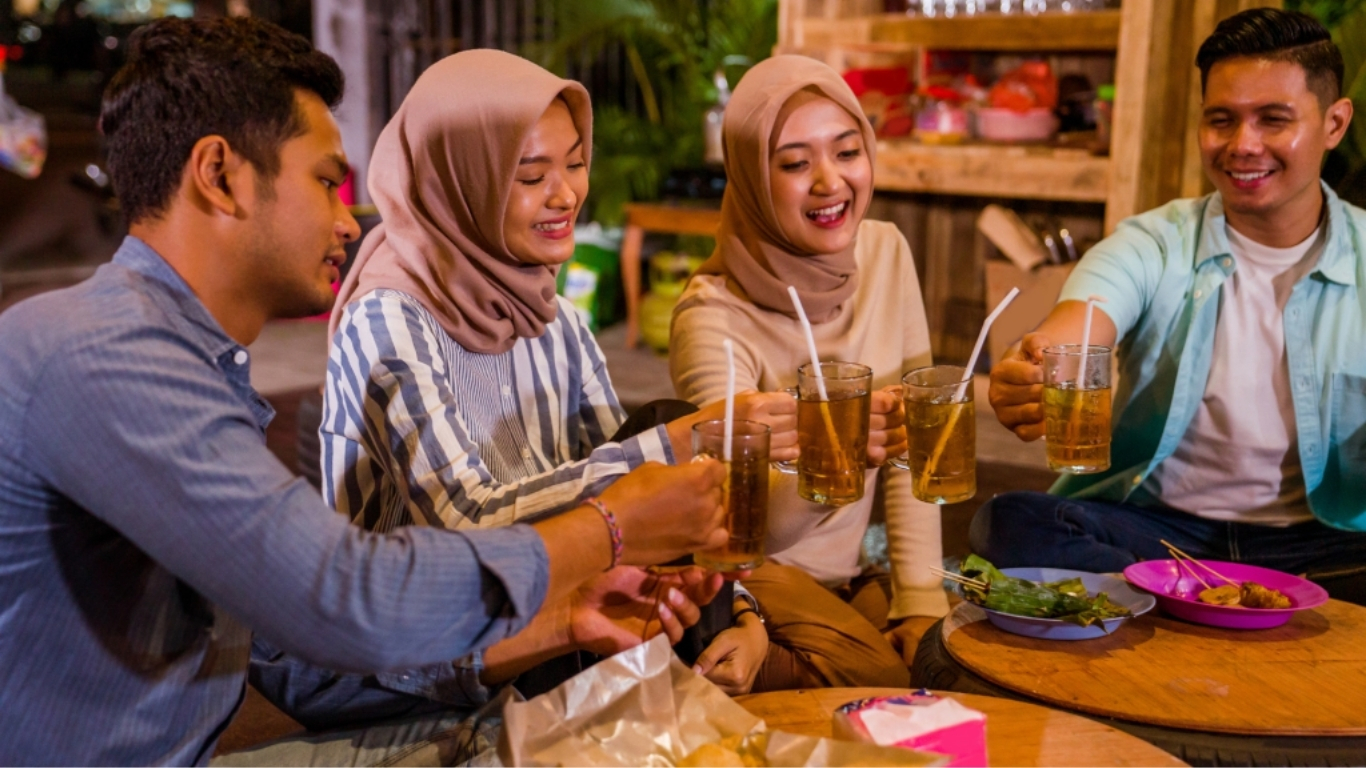
Ramadan is one of the most meaningful months in Indonesia. As the world’s largest Muslim-majority country, Indonesia experiences a visible shift in daily rhythm during this period. Work schedules adjust, traffic patterns change before sunset, and evenings become more vibrant with community gatherings and food markets.
For expats and non-Muslims living in Jakarta, Bali, or other parts of Indonesia, Ramadan is not about restriction. It is about awareness and participation with respect. Understanding the cultural flow of the month allows you to connect more deeply with colleagues, neighbors, and the wider community.
Here’s what you should know.
Understanding Fasting Hours
During Ramadan, Muslims fast from dawn until sunset. This means no eating, drinking, or smoking during daylight hours.
Non-Muslims are not expected to fast. However, being mindful in shared public spaces is appreciated.

What You Can Do:
- Avoid eating or drinking openly in crowded public areas during the day.
- Use designated dining sections if restaurants provide them.
- Be discreet in workplaces or shared environments.
A simple gesture of consideration strengthens relationships, especially in professional settings.
Dress with Cultural Sensitivity
Ramadan is a time of spiritual reflection and modesty. While Indonesia is culturally diverse, modest dress is generally appreciated during this month, particularly in Jakarta and more conservative areas.
Practical Tips:
- Choose clothing that covers shoulders and knees in professional settings.
- Wear loose-fitting attire if visiting mosques or religious sites.
- In Bali, dress codes may feel more relaxed, but modesty during Ramadan is still welcomed.
This is less about strict rules and more about cultural awareness.
Respect Prayer Times and Schedule Changes
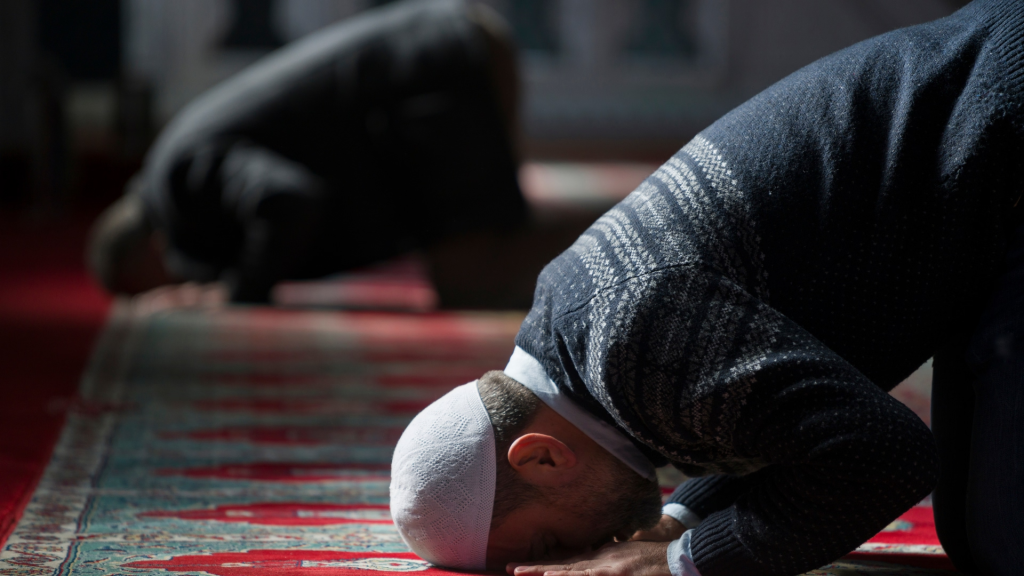
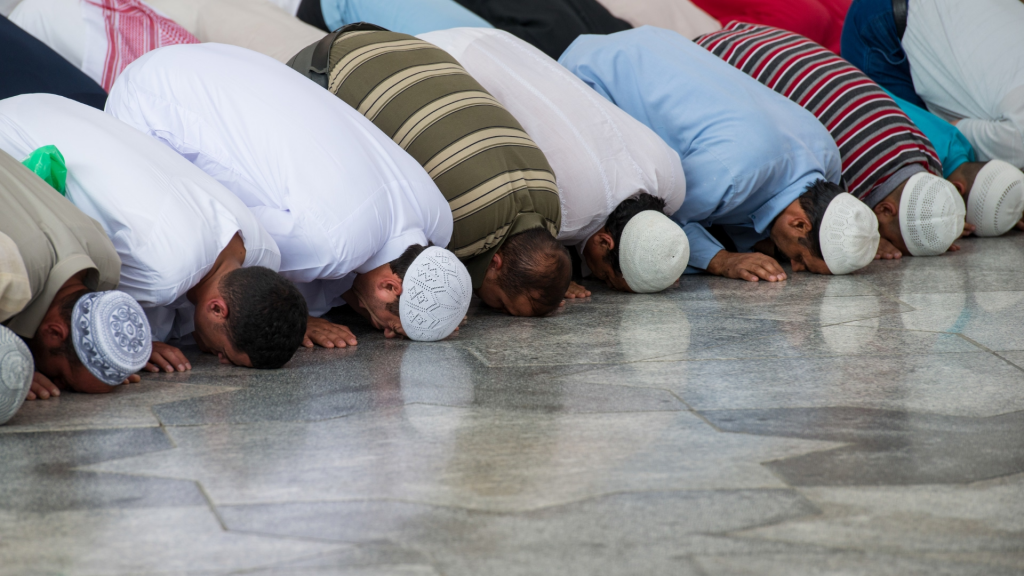
During Ramadan, many Muslims attend additional evening prayers and may adjust their daily routines. Offices sometimes modify working hours, and meetings are often scheduled earlier in the day.
Helpful Practices:
- Avoid scheduling important events too close to sunset when people are preparing to break their fast.
- Be flexible if colleagues need time for prayer.
- Expect slower productivity in the late afternoon, especially toward the end of the month.
These adjustments are part of the national rhythm during Ramadan.
Experience Iftar and Suhoor Traditions
One of the most special aspects of Ramadan in Indonesia is the daily cycle of Iftar and Suhoor.
Iftar is the breaking of the fast at sunset. Suhoor is the pre-dawn meal eaten before fasting begins again.
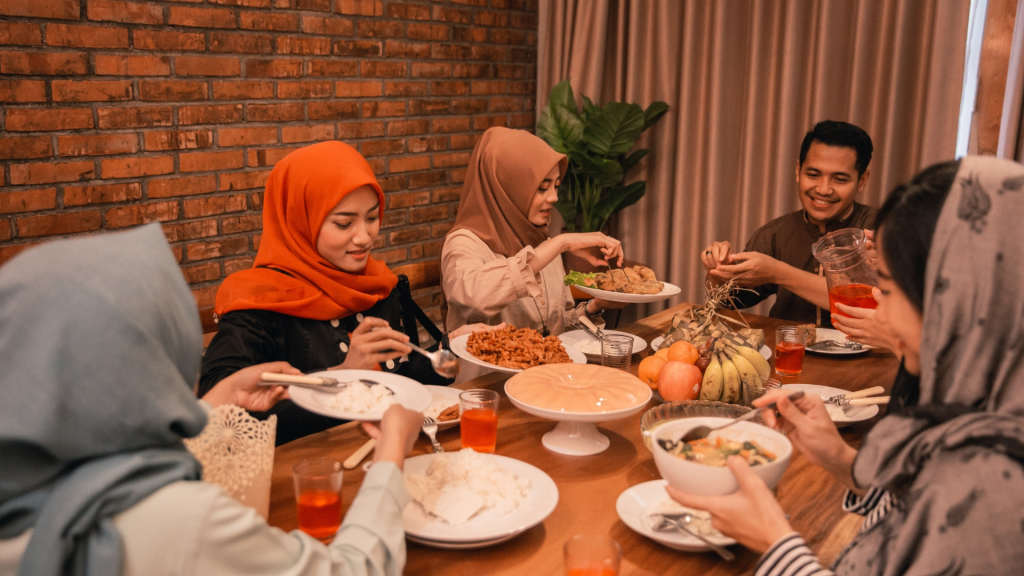
Across Jakarta and other cities, restaurants, hotels, and communities host Iftar gatherings. These events are not just meals they are social experiences that bring families, friends, and colleagues together.
What You Can Do:
- If invited to an Iftar meal, accept the invitation. It is a meaningful way to build connection.
- Arrive on time. Iftar begins exactly at Maghrib (sunset), and food is typically served immediately after the call to prayer.
- Explore Ramadan food bazaars. Jakarta hosts numerous evening markets where you can try traditional dishes such as kolak, gorengan, dates, and sweet beverages prepared especially for the month.
Participating respectfully in Iftar allows you to experience Indonesia’s hospitality at its most vibrant.
Practice Patience and Understanding
Fasting in a tropical climate can be physically demanding. Long workdays combined with heat may leave people feeling tired by late afternoon.
During Ramadan:
- Avoid making jokes about fasting.
- Show empathy if someone appears less energetic.
- Be flexible when collaborating on projects.
Ramadan is deeply personal. Respecting that commitment fosters mutual trust and professionalism.
A Cultural Opportunity, Not a Limitation

Ramadan in Indonesia transforms evenings into moments of warmth and community. Streets become lively before sunset, families gather for meals, and neighborhoods feel more connected.
For expats, this is an opportunity to:
- Strengthen local relationships
- Observe meaningful traditions
- Experience Indonesia beyond the surface level
Rather than seeing Ramadan as a disruption, consider it an invitation into a deeper layer of Indonesian life.
Living Comfortably During Ramadan in Indonesia
If you are relocating during Ramadan, selecting the right residential area can help you balance cultural immersion with daily convenience. Neighborhoods near international schools, business districts, and established communities often offer smoother adaptation for families.
At Noble Asia, we guide expats through relocation decisions that consider lifestyle, cultural awareness, and long-term comfort.
Explore homes and relocation insights at:
📩 connect@nobleasia.id
📞 WhatsApp: +62 813 1668 5505