
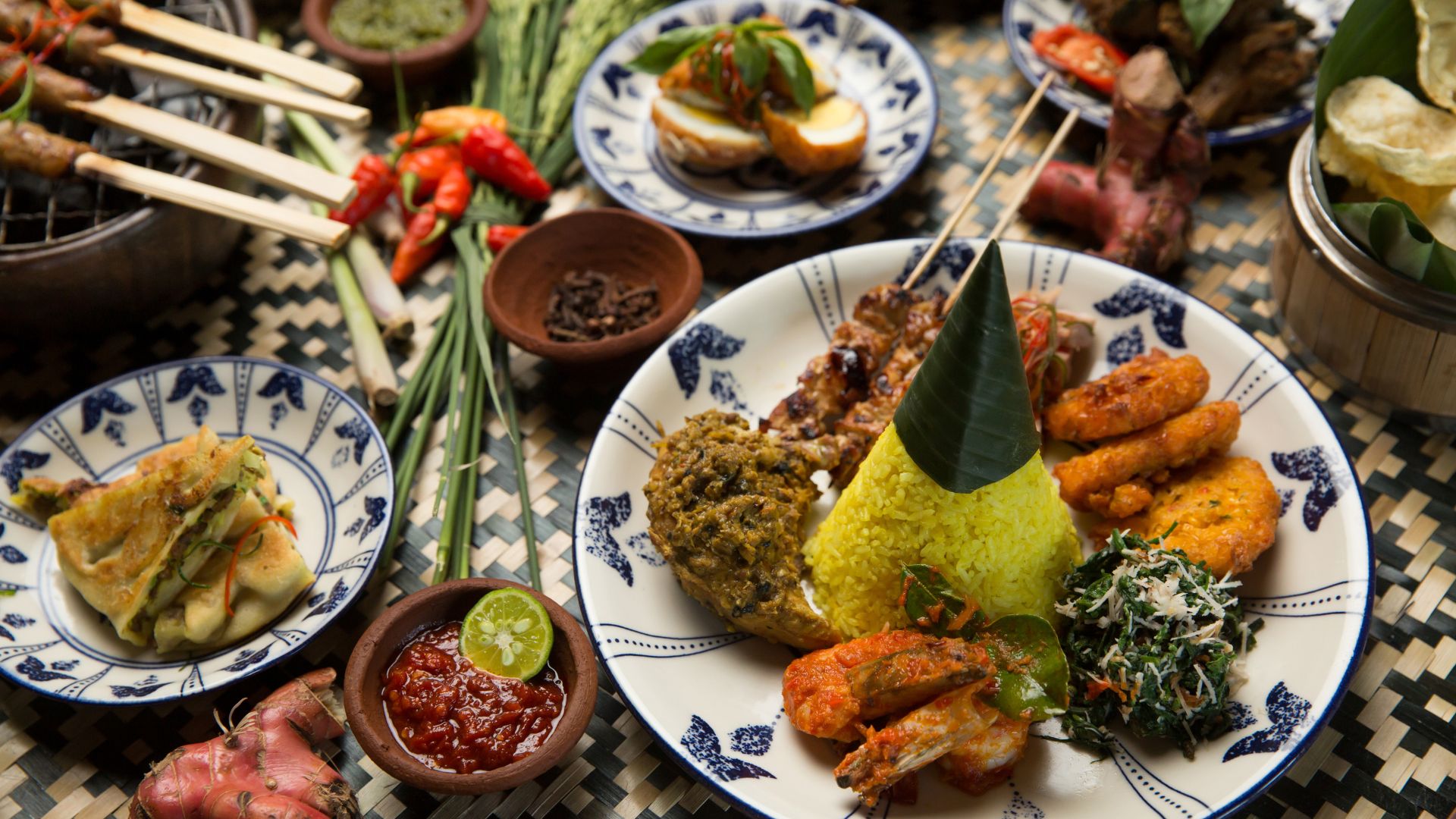
Indonesia in 2026 continues to stand out not only for its landscapes and investment potential, but also for its extraordinary culinary diversity. With more than 17,000 islands and hundreds of ethnic groups, Indonesian cuisine reflects layers of history, trade, tradition, and community.
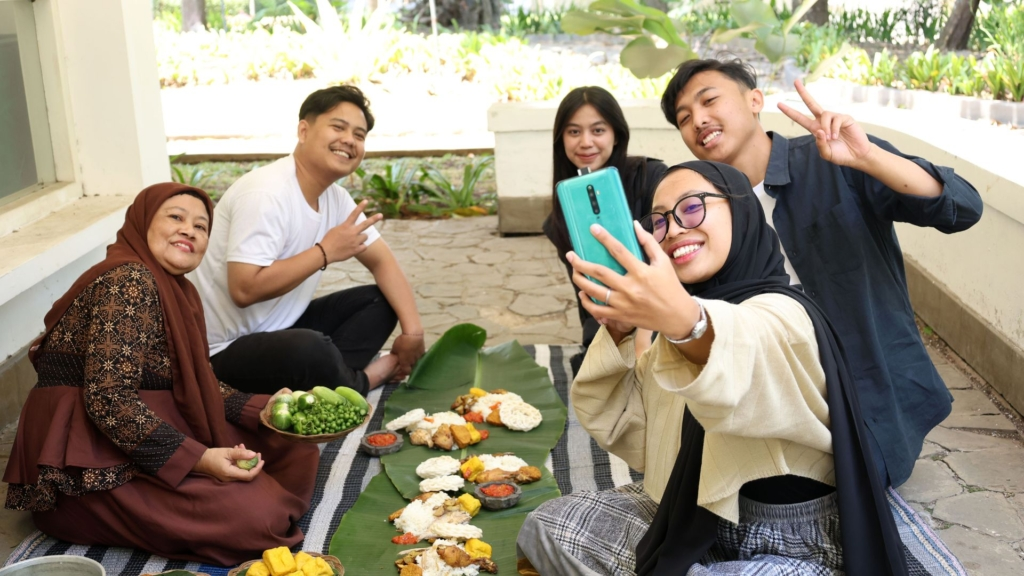
For foreigners living in Jakarta, Bali, or other parts of the country, discovering Indonesian food is more than trying new flavors. It is often the first real step toward understanding the culture itself.
From bustling street carts to family-run warungs, food in Indonesia is deeply social. Meals are shared. Invitations are generous. Hospitality is genuine.
Hospitality Served on a Plate
One of the first things newcomers notice is how central food is to social life. Guests are rarely welcomed without being offered something to eat or drink.
In Indonesian households, it is common for hosts to insist that visitors eat first. Refusing repeatedly can even be considered impolite. Offering food is not simply courtesy. It reflects values of generosity, respect, and togetherness.
For expats, this often becomes the gateway into deeper friendships and stronger community bonds.
Street Food: Where Flavor Meets Accessibility
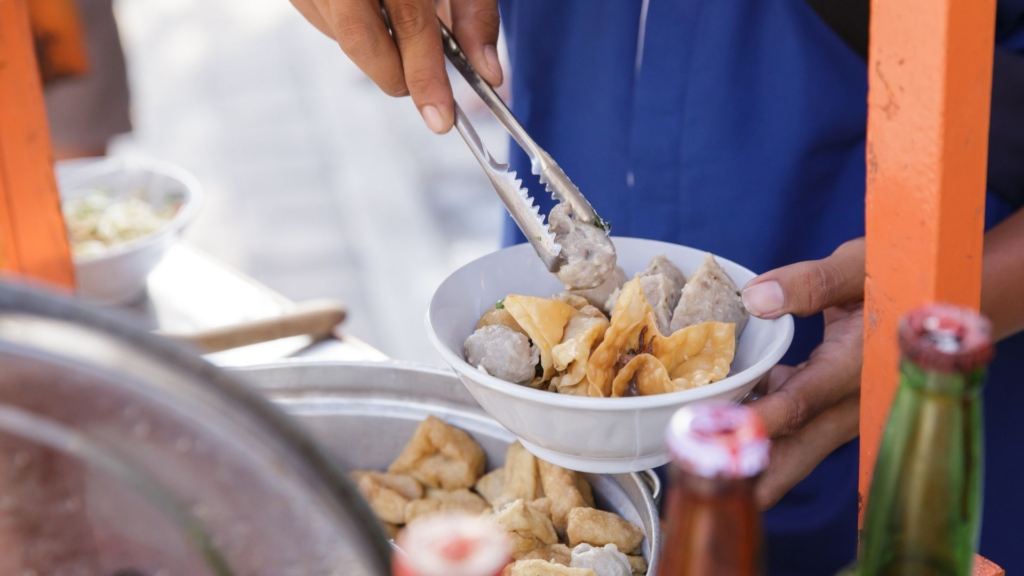
Indonesia’s street food culture remains one of the most vibrant in Southeast Asia in 2026. Affordable, flavorful, and widely accessible, street food introduces newcomers to authentic local taste without the formality of high-end restaurants.
Popular dishes include:
- Nasi Goreng: Indonesia’s iconic fried rice, often served with a fried egg and crackers.
- Martabak: Thick stuffed pancakes, available in sweet chocolate variations or savory egg-filled versions.
- Lotek: A vegetable salad mixed with rich peanut sauce, popular in West Java.
Street food remains incredibly affordable compared to many global cities, making it easy for expats to explore without hesitation.
Practical tip: Start with busy stalls that have high customer turnover. In Indonesia, long queues often signal both quality and freshness.
Eating with Hands: A Cultural Tradition
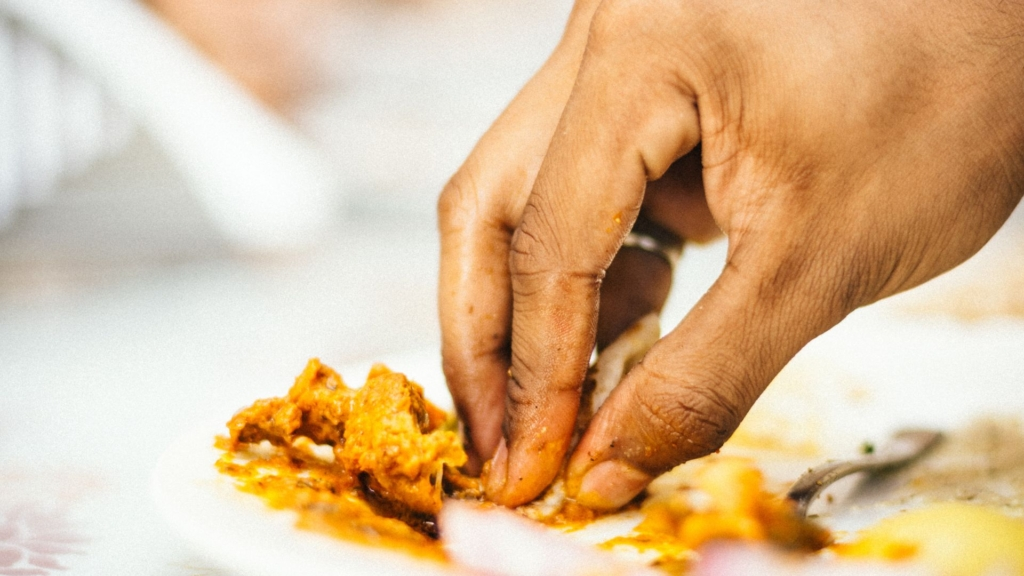
In many traditional eateries, especially Padang restaurants or family gatherings, eating with hands is common.
While it may feel unfamiliar at first, the practice is deeply rooted in Indonesian dining culture.
Why do people eat with their hands?
- It enhances sensory connection with the meal.
- It reflects traditional communal eating habits.
- It emphasizes simplicity and authenticity.
The etiquette is simple:
- Wash hands before eating.
- Use the right hand only.
- Scoop food gently with fingertips.
Many expats initially observe before trying. Over time, what once felt unusual becomes part of the experience.
Regional Dishes Worth Exploring in 2026
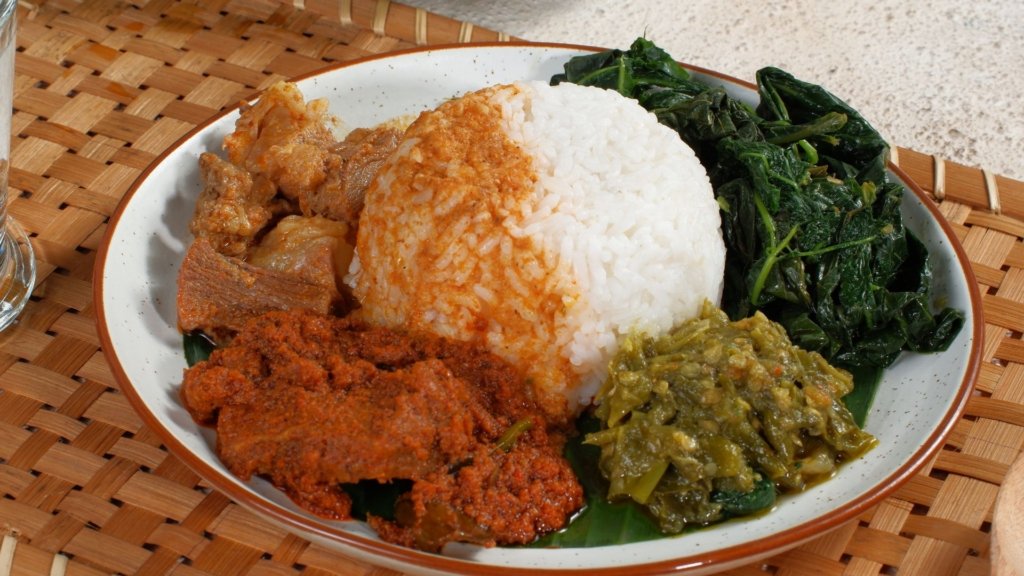
Indonesian cuisine is not uniform. Each region offers distinct specialties shaped by geography and history.
Some dishes widely appreciated by foreigners include:
- Sate Ayam: Grilled chicken skewers served with peanut sauce.
- Opor Ayam: Coconut milk-braised chicken often served during festive occasions.
- Nasi Campur: Mixed rice with assorted side dishes, especially popular in Bali.
- Rendang: Slow-cooked beef rich in spices, recognized globally for its depth of flavor.
Small local eateries, known as warungs, remain some of the best places to taste authentic cooking. These establishments often serve recipes passed down through generations.
Food as Cultural Integration
In 2026, Indonesia’s food culture will continue to act as a bridge between locals and the international community. Trying new dishes, participating in communal meals, and understanding dining customs help expats integrate more naturally into daily life.
Food conversations often open doors that business meetings cannot.
Sharing a plate can build trust faster than formal introductions.
For many expats, culinary exploration becomes one of the most rewarding aspects of living in Indonesia.
Living the Indonesian Lifestyle
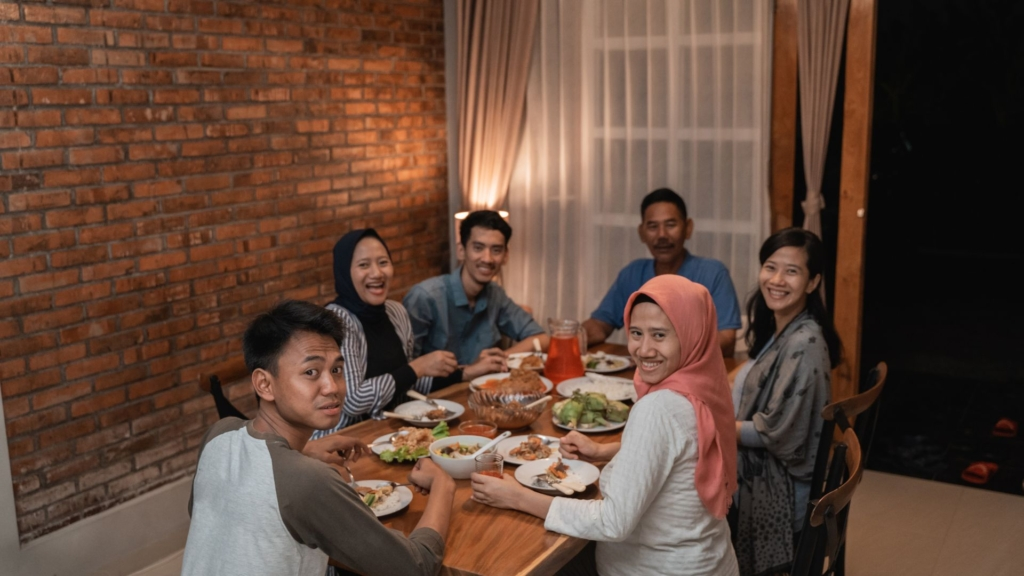
Settling into a new country involves more than securing housing. It means embracing daily rituals from morning coffee at a local warung to evening street food gatherings.
Choosing a neighborhood close to local markets, community spaces, and diverse dining options can significantly enrich the relocation experience.
At Noble Asia, we believe feeling at home goes beyond square meters and rental contracts. It includes understanding the lifestyle that surrounds your home.
Explore expat-friendly residences and relocation insights at:
📩 connect@nobleasia.id
📞 WhatsApp: +62 813 1668 5505