Moving to Indonesia? One of the first things you’ll hear from colleagues, your HR department, or even your bank is: “Have you gotten your NPWP yet?” For many newcomers, this triggers immediate confusion. Isn’t KITAS enough? Why do I need another identification number? Can’t I just use my passport?
The reality is that NPWP has become far more than just a tax document in Indonesia. It’s your gateway to banking, property ownership, business operations, and even your ability to receive your salary properly. Without it, you’ll face higher tax rates, banking restrictions, and countless administrative headaches.
In this comprehensive guide, we’ll walk you through everything about NPWP for foreigners from understanding what it is and who needs it, to the exact steps for applying, and why Indonesian institutions ask for it so frequently.
What Is NPWP and Why It Matters in Indonesia
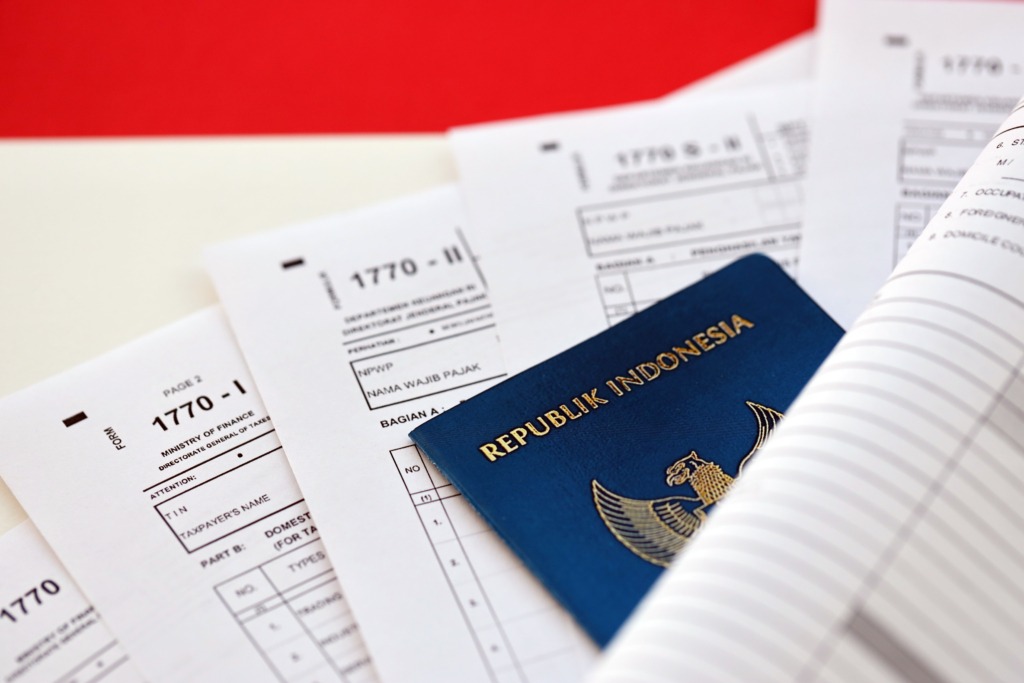
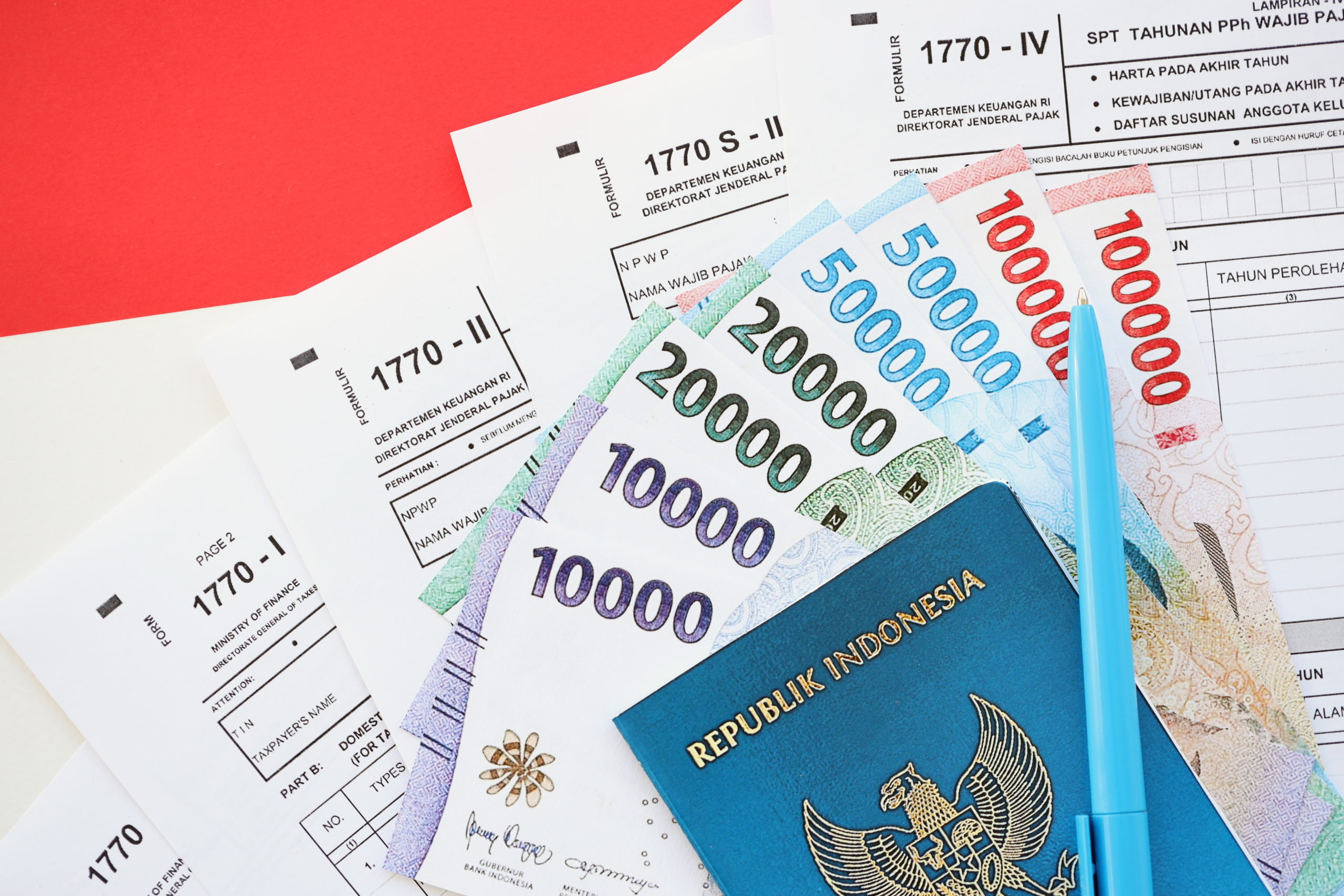
NPWP, Nomor Pokok Wajib Pajak is Indonesia’s official Tax Identification Number issued by the Directorate General of Taxation (Direktorat Jenderal Pajak or DJP). Think of it as your fiscal identity in Indonesia, similar to a Social Security Number in the US or National Insurance Number in the UK.
According to Law No. 36 of 2008 concerning Income Tax, NPWP functions as your unique identifier for all tax-related activities in Indonesia. But its importance extends far beyond just filing taxes.
NPWP as Your “Tax Identity” in Indonesia
The Indonesian tax authority defines NPWP as “a number assigned to taxpayers as a means of identification in exercising tax rights and obligations.” In practical terms, it’s how the Indonesian government recognizes you financially.
In real life, NPWP is required for:
- Opening local bank accounts with full services
- Applying for credit cards or loans from Indonesian banks
- Purchasing property (especially high-value transactions)
- Starting or managing a business
- Employment registration with Indonesian companies
- Receiving dividends or investment income
- Processing property rental agreements
- Accessing preferential tax rates
The New 16-Digit NPWP Format (2025 Update)
Starting in 2025, Indonesia implemented a major reform through the CoreTax system. As stated by ILA Global Consulting, the NPWP is now a 16-digit number, replacing the old 15-digit format.
How it works:
- Indonesian citizens: Their NIK (National Identity Number) becomes their NPWP
- Foreigners: Your old 15-digit NPWP converts to 16 digits by adding “0” at the front
- Example: 92.929.292.9-292.000 becomes 092.929.292.9-292.000
This integration with the CoreTax platform means that banks are now connecting accounts to the central tax system, making NPWP even more critical for financial transactions.
Who Needs an NPWP in Indonesia?
Not every foreigner requires NPWP immediately, but specific circumstances trigger this requirement. Let’s examine who must have it:
Working Expat
If you’re employed by an Indonesian company or receive a salary paid in Indonesia, you are legally required to have NPWP as stated in Law Number 36 of 2008. Your employer will typically request NPWP shortly after your KITAS is issued because they need it to properly process your payroll and withhold taxes.
Important: According to Indonesian tax regulations, a 20% tax surcharge will be applied to earnings of an employee who does not have NPWP. This means you could lose significant income simply by not having this number.
Foreign Business Owners
Foreign directors, commissioners, and shareholders of Indonesian PT PMA companies need NPWP for multiple reasons:
- Tax compliance and annual reporting
- Dividend processing and distribution
- Company banking matters and account signing authority
- Business license applications and renewals
- Corporate tax filing requirements
As confirmed by valid information, the Tax Identification Number (TIN)/NPWP is mandatory for company directors.
Property Buyers & Investors
Foreigners buying apartments or managing investment properties in Jakarta, Bali, Surabaya, or other cities are frequently asked for NPWP during:
- Payment processing for property purchases
- Opening escrow accounts for transactions
- Property registration with land offices
- Annual property tax (PBB) payments
- Rental income reporting
Why Banks Commonly Request NPWP

Indonesian banks use NPWP as part of financial transparency regulations mandated by Bank Indonesia and the Financial Services Authority (OJK). Even if you’re not actively paying tax in Indonesia yet, banks request NPWP to connect accounts to CoreTax for regulatory compliance.
Without NPWP, banks may:
- Reject account opening applications entirely
- Offer only basic accounts with transaction limits
- Refuse credit card or loan applications
- Restrict investment product access
- Limit international transfer capabilities
Understanding Tax Residency: Do All Foreigners Need NPWP?
This is where many foreigners get confused. The requirement for NPWP depends on your tax residency status in Indonesia.
The 183-Day Rule
According to Indonesian tax law, a foreign citizen receives tax resident status (SPDN) if stay exceeds 183 days during the year. This is calculated as aggregate days within any 12-month period, including weekends, public holidays, and partial days.
Key clarification: As noted in official tax guidance, this is determined by the aggregate number of days spent in Indonesia within any 12-month period starting from first arrival.
Intention to Reside Criteria
Beyond the 183-day count, the individual who performs actions showing intention to reside in Indonesia, such as renting a place, moving family to Indonesia, or registering children in school, becomes a tax resident regardless of days spent.
You Are Considered a Resident Taxpayer If You:
✓ Hold KITAS or KITAP with intention to stay permanently
✓ Have employment contract lasting over 183 days
✓ Rent or own property as permanent residence
✓ Relocate family members to Indonesia
✓ Enroll children in Indonesian schools
✓ Establish business operations in Indonesia
Resident vs Non-Resident Taxation
Resident Taxpayers:
- Must obtain NPWP
- Subject to progressive tax rates (5% to 35%)
- Report worldwide income
- File annual tax returns by March 31
Non-Resident Taxpayers:
- Don’t require NPWP
- Subject to flat 20% withholding on Indonesian-source income
- Tax treaty rates may apply
- No annual filing obligation
According to DJP regulations, tax obligations for foreign citizens who are domestic tax subjects are not different from Indonesian citizens.
Requirements to Apply Tax ID (NPWP) for Foreigner
Documentation varies based on your employment status and purpose. Here’s what you need:
Documents for Employees
For foreigners working at Indonesian companies:
- Passport (original + photocopy of identity page)
- KITAS or KITAP (original + photocopy)
- Letter of employment from Indonesian company showing position, salary, contract period
- Domicile address in Indonesia (rental contract or domicile letter from kelurahan)
- Passport-sized photographs (3×4 cm, 4 copies)
Documents for Business Owners
For PT PMA directors, commissioners, or shareholders:
- Passport (original + photocopy)
- KITAS or KITAP (original + photocopy)
- Company deed and amendments (Akta Pendirian)
- Shareholder composition documents (SK Kemenkumham)
- Company NPWP and NIB (Business Identification Number)
- Proof of registered office address
NPWP for Family Members
Spouses or dependents normally don’t need separate NPWP unless they:
- Earn independent income in Indonesia
- Hold positions in Indonesian companies
- Own business entities
- Choose to file taxes separately (allowed for married couples)
Important note: According to Indonesian tax practice, a family is regarded as a single tax reporting unit with one NPWP in the name of the head of the family, who reports dependent spouse and children’s income.
Also read: KITAS and KITAP Indonesia 2025: Complete Guide to Residence Permites for Foreigners
Where to Apply for NPWP in Jakarta & Other Cities
The Indonesian tax authority offers three official registration channels:
Source: pajak.com
Tax Office (KPP) – In-Person Application
You can apply directly at your local KPP (Kantor Pelayanan Pajak) based on your registered address.
For Jakarta residents:
- Central Jakarta: KPP Jakarta Tanah Abang (covers SCBD, Sudirman, Thamrin areas)
- South Jakarta: KPP Jakarta Kebayoran Baru (covers Kemang, Senopati, Pondok Indah)
- North Jakarta: KPP Jakarta Kelapa Gading
- East Jakarta: KPP Jakarta Cakung
- West Jakarta: KPP Jakarta Kebon Jeruk
Process:
- Visit KPP during office hours (Monday-Friday, 8:00 AM – 4:00 PM)
- Take queue number at TPT (Integrated Service Counter)
- Submit completed Form 1.1 with all required documents
- Officer verifies documents and may conduct brief interview
- NPWP typically issued same day or within 1-2 working days
Advantage: Immediate assistance, ability to ask questions, instant verification of documents.
Online Registration via e-Registration
The digital option through ereg.pajak.go.id:
Step 1: Create account with email and verify activation link
Step 2: Complete online form choosing “Foreign Individual Taxpayer”
Step 3: Upload required documents (clear scans in PDF format)
Step 4: Submit application and save confirmation number
Step 5: Receive NPWP via email within 1-3 working days
Note: While online registration exists, many expats still face technical issues with system compatibility, document format requirements, or language barriers. As noted in user experiences, “many expats are still asked to visit the office” for verification purposes.
Processing Time
According to official DJP guidelines and standard processing procedures, NPWP is typically issued within 1-3 working days if all documents are complete and accurate.
Factors affecting processing time:
- Document completeness and clarity
- Address verification complexity
- KPP workload (avoid end-of-month rush)
- System maintenance periods
- Accuracy of information provided
Step-by-Step Guide: How to Apply Tax ID (NPWP) for Foreigner
Here’s the practical walkthrough for the most common method in-person application:
Day 1: Document Preparation
□ Gather passport, KITAS, employment letter
□ Obtain domicile letter from kelurahan (bring landlord if needed)
□ Make photocopies of all documents (2 sets)
□ Take passport photos (3×4 cm, 4 copies)
Day 2: Visit Tax Office
□ Arrive at correct KPP by 9:00 AM to avoid queues
□ Request Form 1.1 (Formulir Pendaftaran WP Orang Pribadi)
□ Fill form completely—ask officer for help if needed
□ Submit form with all original + copy documents
Day 3: Verification & Issuance
□ Officer verifies documents and enters into system
□ Brief interview about residence and income source
□ NPWP certificate printed (usually same day)
□ Save digital photo/scan of NPWP certificate
Day 4-7: EFIN Activation
□ Return to KPP with passport, KITAS, and NPWP
□ Request EFIN (Electronic Filing Identification Number)
□ Receive EFIN code for DJP Online access
□ Activate account at djponline.pajak.go.id
□ Test login to confirm system access
Week 2: Card Arrival
□ Physical NPWP card arrives by mail (7-14 days)
□ Store card safely with important documents
Common Problems Expats Face When Applying
Through helping hundreds of foreigners, we’ve identified recurring issues:

Address Mismatch Problems
Your KITAS address must match your domicile letter and application form exactly. Even minor differences like “Jalan” vs “Jl.” or missing RT/RW numbers cause rejection.
Solution: Use your official KITAS address character-for-character. Don’t translate or “westernize” the format.
Incomplete Employer Documentation
Employment letters must include:
- Complete company details (name, NPWP, address)
- Your position title and job description
- Salary amount and payment frequency
- Contract period (start and end dates)
- Company stamp and authorized signature
Solution: Request properly formatted letter from HR department using company letterhead.
Language Barriers at Tax Offices
Not all KPP officers speak English fluently, especially outside major expat areas.
Solution: Bring Indonesian-speaking colleagues, use translation apps, or engage relocation service for assistance.
Online System Errors
E-registration system sometimes has:
- Document upload format restrictions
- File size limitations
- Browser compatibility issues
- Unclear error messages in Indonesian
Solution: Try different browsers (Chrome recommended), reduce file sizes to under 2MB, save applications frequently, or visit KPP directly if persistent errors occur.
Also read: Mortagages In Indonesia For Expats: A Complete Guide to Property Loans in Jakarta 2025
How NPWP Affects Your Banking & Property Transactions
The impact of NPWP extends across multiple financial activities:
Banking Without NPWP: What You’ll Face
According to current banking regulations and CoreTax integration requirements, banks now connect accounts to the central tax system.
Without NPWP, you may experience:
- Bank account application rejections or severe limitations
- Maximum transaction limits (often IDR 100 million monthly)
- No credit card eligibility
- Restricted investment product access
- Limited international transfer capabilities
- Higher scrutiny on large deposits or withdrawals
Higher Tax Withholding Rates
This is the most expensive consequence. As explicitly stated in Article 21 of Law No. 36 of 2008, for taxpayers without NPWP, the amount of tax is increased by 20%.
Real financial impact:
- With NPWP: Progressive rates 5%-35% based on income brackets
- Without NPWP: Additional 20% surcharge on all tax calculations
- Example: IDR 100 million salary normally taxed at 15% = IDR 15 million. Without NPWP: 18% = IDR 18 million (IDR 3 million extra loss)
Property Transaction Delays
For property purchases in Jakarta, Bali, or other Indonesian cities:
- Notaries require NPWP for deed preparation
- Land offices need NPWP for registration
- Payment processing banks ask for NPWP verification
- Property tax (PBB) registration requires NPWP
According to regulations, NPWP is necessary to report transactions such as lease transactions, property acquisitions, and purchasing vehicles.
Investment Account Restrictions
Without NPWP, you cannot:
- Open securities trading accounts
- Invest in mutual funds through Indonesian platforms
- Trade cryptocurrencies on Indonesian exchanges
- Access foreign exchange investment products
- Participate in government bonds or sukuk
Tax Obligations After Getting NPWP
Obtaining NPWP creates legal obligations that foreigners must understand:
Annual Tax Return Filing
According to Indonesian regulations, expat working in Indonesia are subject to the same tax reporting requirements as Indonesian citizens. The deadline is March 31 annually.
Filing process:
- Log in to djponline.pajak.go.id using NPWP + password
- Choose e-Filing (simple) or e-Form (comprehensive)
- Report all Indonesian and worldwide income
- Submit electronically and save confirmation
- Keep supporting documents for 10 years
Monthly Tax Withholding
For employees, your company handles monthly PPh 21 withholding from salary. You must still file an annual return to reconcile total tax due.
Penalties for Non-Compliance
Indonesian tax law enforces compliance through penalties:
- Late filing: IDR 100,000 per month
- Not filing: IDR 1,000,000 penalty
- Late payment: 2% monthly interest on unpaid tax
- Serious violations: As stated in Law No. 28 of 2007, repeated violation imprisonment for 6 months to 6 years may be imposed
How Noble Asia Helps Expats With NPWP & Relocation
NPWP is no longer just a tax document, it’s an essential identification for foreigners living in Indonesia. From employment and banking to property ownership and business operations, this 16-digit number unlocks access to financial services and legal compliance.
The application process, while straightforward for those with proper documentation, involves navigating Indonesian bureaucracy, language requirements, and technical systems. Understanding your tax residency status, preparing complete documents, and following through with EFIN activation are critical steps.
For expat relocating to Jakarta’s business districts like SCBD, Sudirman, and Thamrin, or lifestyle areas like Kemang and Bali, securing NPWP should be among your first priorities after receiving KITAS. The 20% tax surcharge for non-holders makes delayed application financially costly.
Whether you choose to navigate the process independently or engage professional relocation services, the key is acting promptly. Don’t wait until your bank rejects your account application or your employer cannot process your salary, get your NPWP early and avoid unnecessary complications in your Indonesian journey.
Navigating Indonesian bureaucracy can be overwhelming, especially with language barriers and unfamiliar procedures. Noble Asia provides comprehensive support for foreigners relocating to Jakarta, SCBD, Thamrin, Kemang, South Jakarta, or Bali.
Our NPWP Application Assistance Includes:
- Document preparation and verification
- Translation of Indonesian forms and requirements
Complete Relocation Services:
- Property search in Central Jakarta, SCBD, Kemang
- Lease negotiations and contract review
- Banking setup assistance
- School enrollment support
- Utilities and internet registration
- Long-term property management
- Annual tax filing support
Why Expats Choose Noble Asia:
✓ Experienced with Indonesian bureaucracy
✓ Bilingual staff (English/Indonesian)
✓ Direct relationships with tax offices
✓ End-to-end relocation support
✓ Transparent pricing and timelines
✓ Ongoing advisory for tax compliance
Whether you’re moving for work, investment, or lifestyle, having professional guidance ensures smooth settlement without costly mistakes or delays.
A trusted housing agent in Indonesia ensures every step of your relocation is handled smoothly, from property search to move-in support.
📩 connect@nobleasia.id
📞 WhatsApp: +62 813 1668 5505
Frequently Asked Questions
1. Do foreigners need NPWP in Indonesia?
Yes, if you work, invest, earn Indonesian-source income, or stay more than 183 days annually. According to Law No. 36 of 2008, foreigners classified as resident taxpayers must obtain NPWP and file taxes. Even non-working expats often need it for banking and property transactions.
2. Can I apply for NPWP without KITAS?
Generally no. KITAS or KITAP is required for NPWP registration as it proves legal residency status in Indonesia. Tourists on visitor visas don’t need NPWP. Once you receive KITAS, apply for NPWP within your first month in Indonesia.
3. How long does it take to get NPWP?
Official processing time is 1-3 working days if documents are complete. In-person applications at KPP often provide same-day issuance. Online applications take slightly longer (2-5 days) due to verification procedures. Physical cards arrive by mail within 7-14 days.
4. Is NPWP mandatory for opening a bank account?
Most Indonesian banks require NPWP for full account services, especially since CoreTax integration in 2025. Some banks allow basic accounts without NPWP but with severe transaction limits. For premium accounts, credit cards, loans, or investment products, NPWP is mandatory.
5. What happens if I don’t have NPWP?
You face serious financial and administrative consequences: 20% higher tax withholding on salary, bank account application rejections, property transaction delays, inability to file tax returns properly, potential penalties for non-compliance, and restrictions on business operations. The cost of not having NPWP far exceeds the minimal effort to obtain it.