
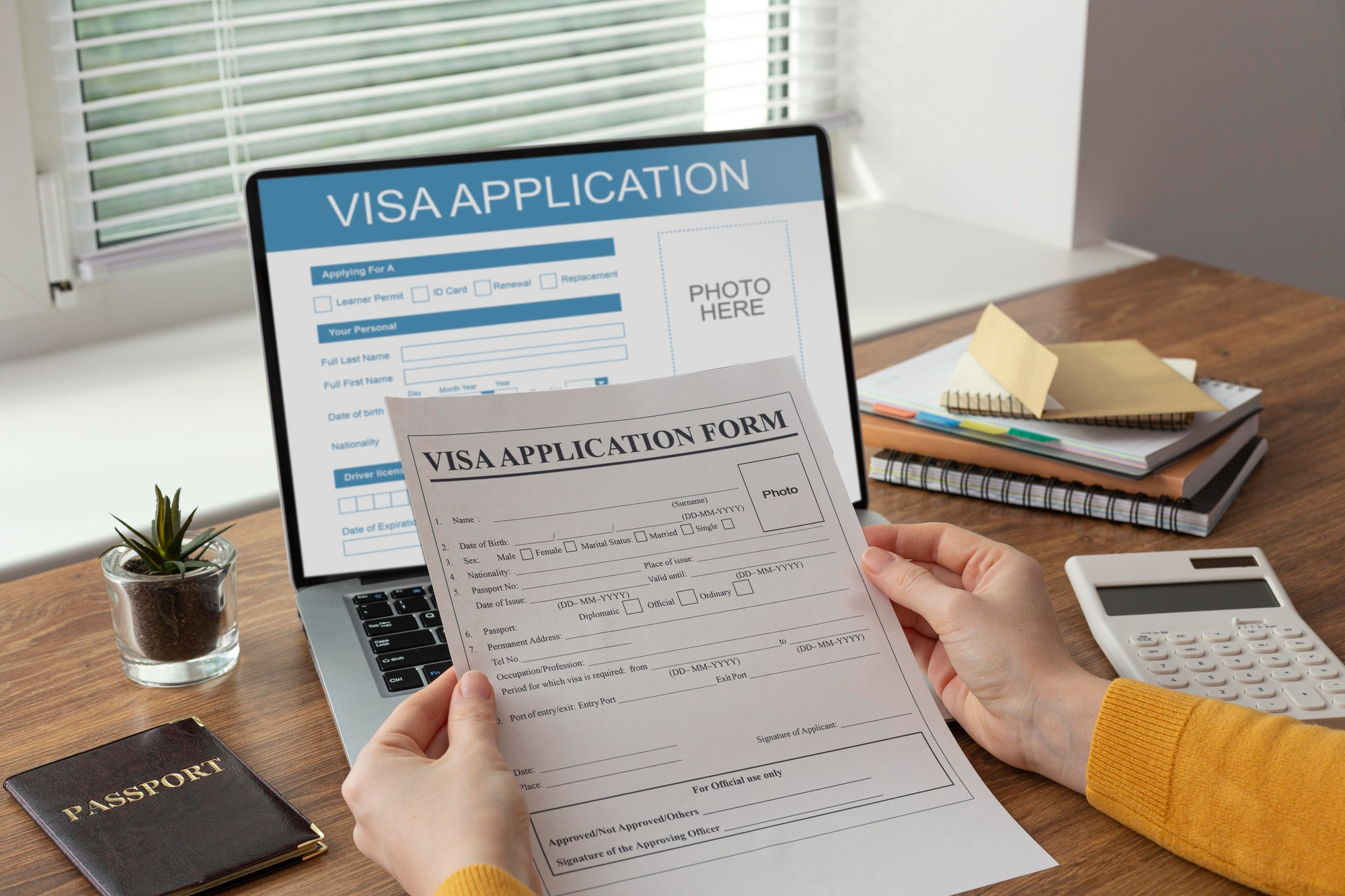
Moving from Sudirman to Kemang? Switching employers in SCBD? Relocating your family from Central Jakarta to Bali? If you hold a KITAS in Indonesia, each of these changes is not just a life update. It is a legal obligation that must be reported to Indonesian immigration authorities within a specific timeframe.
This is one of the areas where we see the most mistakes from expats who assume that small moves or internal job changes do not require official reporting. They almost always do. Under Indonesian Immigration Law No. 6 of 2011, specifically Article 71, every foreigner with a stay permit is legally obligated to report any change in address, civil status, citizenship, employment, or sponsorship to the relevant immigration office. Failure to do so carries penalties including fines of up to IDR 25 million or imprisonment of up to 3 months.
This guide walks you through exactly what to report, when, and how, whether you are dealing with an address change, an employer switch, or a full sponsor conversion.
When Do You Need to Re-Register Your KITAS?
The rule is simple: your immigration records must always match your current address, sponsor, and employment or company status. Any change to any of those three elements triggers a reporting obligation. Specifically, you must update your KITAS if you:
- Change your residential address, even within the same neighborhood or city
- Move from Jakarta to Bali or between any provinces
- Change employer (Work KITAS holders)
- Change your position within your own company (Investor KITAS holders)
- Switch sponsor type, for example from employer sponsorship to spouse sponsorship
- Experience a change in marital status or dependents
As of late 2025, Indonesia’s immigration system has significantly tightened oversight through digital platforms such as evisa.imigrasi.go.id. Incorrect or outdated address data is now actively flagged during KITAS renewals and biometric appointments. Inconsistencies that might have slipped through a few years ago are increasingly being caught in real time.
1. Changing Your Address: The Mutasi Alamat Process
Many expats assume that moving apartments within the same district does not require any reporting. This is incorrect. Under Indonesian immigration regulations, any change of residential address, whether you move from SCBD to Sudirman, from Thamrin to Kemang, or from a Jakarta apartment to a Bali villa, must be formally reported and processed through a procedure called Mutasi Alamat (address mutation).
The good news is that you do not need a new KITAS for an address change. A Mutasi Alamat application updates the address record on your existing permit. The bad news is that skipping it or delaying it can cause significant complications at renewal time, during KITAP applications, or at immigration checkpoints.
Step-by-Step: Updating Your Address
Step 1: Lapor Diri with RT/RW
Within 24 to 72 hours of moving, report your new residence to your local RT (Rukun Tetangga) and RW (Rukun Warga) neighborhood committee. This is the foundation of your new domicile registration. Your landlord or property manager will usually assist with this. For a detailed walkthrough, read our guide on how to complete Lapor Diri when moving to Jakarta or Bali.
Step 2: Update Disdukcapil Records
If you hold a NIK and SKTT, your civil registration at the local Disdukcapil (civil registry office) must be updated to reflect your new address. In practice, moving between cities means surrendering your old SKTT and reapplying at the Disdukcapil in your new location. This step is required before or alongside your immigration office update.
Step 3: Submit Mutasi Alamat to the Immigration Office
Submit your address change notification to the immigration office responsible for your new registered domicile. The required documents typically include:
- Valid passport
- Current KITAS card
- Domicile letter from the new RT/RW
- Updated lease agreement or property contract
- Sponsor letter (if required by your sponsor type)
- Photocopy of sponsor’s KTP (Indonesian ID)
Timeline for Address Change
Report within 14 days of moving. Delays beyond this window can trigger administrative warnings, complicate your KITAS renewal, and in cases of extended non-reporting, result in formal penalties. During high-volume periods at immigration offices, such as before major public holidays, factor in additional processing time.
2. Changing Employer: What Work KITAS Holders Must Do
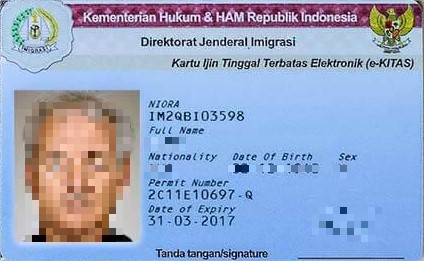
Changing jobs in Indonesia is not as straightforward as it is in most countries. Your Work KITAS is tied to a specific employer and a specific approved role. You cannot simply carry it over to a new company or informally agree to a transfer. The process requires full cancellation of your existing permits and fresh applications from the new employer.
What Your Current Employer Must Do
- Issue a formal release letter acknowledging the end of your employment
- Cancel your existing RPTKA (Foreign Worker Utilization Plan approval)
- Cancel your IMTA (work permit) with the Ministry of Manpower
- Formally notify immigration of your KITAS cancellation
What Your New Employer Must Do
- Apply for a new RPTKA approval through the Ministry of Manpower
- Pay the DKP-TKA compensation fund levy of USD 100 per month in advance
- Obtain a new IMTA work permit for your specific role
- Sponsor a new KITAS application on your behalf
You cannot simply transfer a KITAS from one employer to another. The permit must be formally cancelled and a new one applied for. This process involves both immigration and the Ministry of Manpower, which means coordination between two government systems.
Critical Timeline for Employer Changes
This is where many expats face serious risk. Once your current employer cancels your KITAS sponsorship, your stay permit becomes invalid. You typically have 30 days or less between the cancellation of your existing permit and the approval of the new one before your status becomes irregular. If the gap is not managed correctly, you may need to:
- Exit Indonesia and reapply from abroad
- Pay overstay fines for any days in Indonesia with invalid status
- Risk an entry ban in serious cases of prolonged irregular status
Employers whose negligence leads to immigration violations can also face suspension of their right to sponsor future foreign workers and financial penalties. The safest approach is to begin the new employer’s RPTKA application before your existing permit is cancelled, so the two processes run in parallel.
3. Switching Sponsor Type: Full Conversion Process
Sponsor conversion is more complex than an address change and more involved than a standard employer switch. It happens in three common scenarios:
- An expat marries an Indonesian citizen and transitions from employer sponsorship to spouse sponsorship
- An employee becomes a shareholder in a PT PMA and moves from Work KITAS to Investor KITAS
- A professional leaves corporate employment to start their own business
This is not just an administrative update. It is a full conversion that requires formal immigration approval before your status changes. Operating under the wrong visa type during the conversion period is a compliance violation.
Documents Required for Sponsor Conversion
- Marriage certificate (apostilled and translated, if moving to spouse sponsorship)
- Company deed and proof of shareholding (if moving to Investor KITAS)
- Updated domicile letter reflecting your current registered address
- Sponsor statements from the new sponsor
- Release documentation from the previous sponsor
- Valid passport and current KITAS
Immigration must formally approve the conversion before your new status takes effect. Attempting to perform the duties of the new sponsor category before approval can result in permit cancellation and reapplication requirements.
Immigration Office Locations in Jakarta and Bali
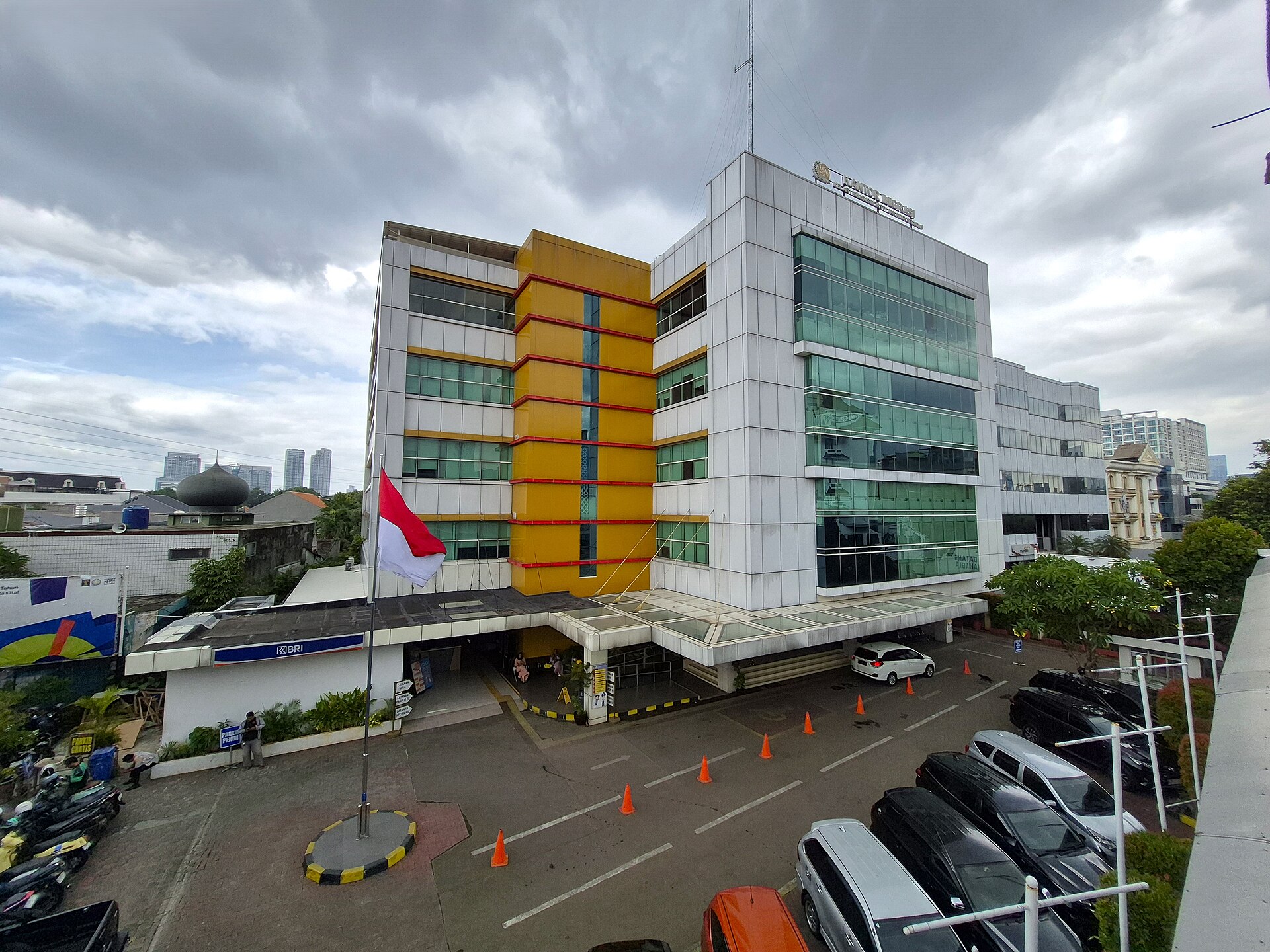
All address changes and sponsor updates must be processed at the immigration office responsible for your registered domicile, not the office that originally issued your KITAS. If you move to a new jurisdiction, you file at the office covering your new address.
Jakarta
- South Jakarta (Kemang, SCBD, Cilandak): Kantor Imigrasi Kelas I Khusus Jakarta Selatan
- Central Jakarta (Thamrin, Sudirman, Menteng): Kantor Imigrasi Kelas I Khusus Jakarta Pusat
- West, East, and North Jakarta each have their own dedicated immigration offices based on your registered kelurahan
Bali
- Denpasar and Badung (Canggu, Seminyak, Kuta, Jimbaran): Kantor Imigrasi Kelas I Khusus TPI Ngurah Rai
- Ubud and Gianyar: Kantor Imigrasi Kelas II TPI Singaraja or the Gianyar immigration service point
- Lombok and other eastern islands: processed at respective regional immigration offices
Since 2024, initial applications are submitted online through evisa.imigrasi.go.id before any in-person appointment. However, all substantive changes including Mutasi Alamat still require a physical visit for document verification and, where applicable, biometric updates.
Penalties for Late or Missing Reporting
Indonesia’s immigration enforcement has become measurably more rigorous in 2025. The digital integration between immigration, civil registry, and tax systems means that data inconsistencies surface more quickly than they used to. Here is what you are risking by not reporting changes on time:
- Administrative fines: Under Immigration Law No. 6 of 2011 Article 116, failure to report changes can result in fines of up to IDR 25 million or imprisonment of up to 3 months
- KITAS renewal denial: Address or sponsor inconsistencies are now actively flagged during renewal biometric appointments, and applications with unresolved discrepancies are being rejected
- Permit suspension: In serious cases, your stay permit can be temporarily suspended pending investigation
- Permit cancellation: Prolonged non-compliance can result in full KITAS cancellation, requiring an offshore reapplication process
- Overstay fines: If your sponsor cancels your permit without you securing a replacement in time, you accrue daily overstay penalties. These are applied from the first day your status becomes invalid
- Entry ban: Repeated violations or overstays exceeding certain thresholds can result in a ban on re-entry to Indonesia
Enforcement variation by office and region does exist, but relying on inconsistent enforcement is not a compliance strategy. With the increasing integration of immigration databases and the Coretax tax system, inconsistencies that were previously invisible are becoming easier for authorities to detect during renewals, KITAP applications, and airport departures.
Address Change vs Sponsor Change
Here is a quick reference summary of the complexity and risk associated with each type of change:
| Change Type | Complexity | Immigration Approval | Risk Level |
| Address change only | Moderate | Yes (Mutasi Alamat) | Low to Moderate |
| Employer change | High | Yes (new KITAS) | High |
| Sponsor conversion | High | Yes (full conversion) | High |
Address changes are the most common and the most frequently neglected. Sponsor changes carry the highest risk, particularly if there is any gap between the cancellation of the old sponsor and the approval of the new one.
What Happens If You Move Without Updating?
A common misconception among expats is that small moves within Jakarta, like changing apartments in the same district, are too minor to bother reporting. The risk may feel low day-to-day, but address inconsistencies tend to surface at the worst possible moments:
- KITAS renewal: The immigration officer cross-references your declared address against Disdukcapil and RT/RW records. A mismatch at this stage can delay or block your renewal
- KITAP application: Permanent stay applications require a consistent and verifiable residency history. Gaps or inconsistencies in address records are grounds for rejection
- Tax registration updates: If you update your NPWP address separately from your immigration records, the two systems can flag a conflict under the Coretax integration framework
- Police checks and immigration audits: In Bali particularly, routine checks of villa and apartment complexes by immigration teams are increasing in frequency. An outdated address on your KITAS relative to where you are actually living can trigger immediate complications
- Airport departure: Inconsistencies between your declared address and your actual living situation can come up during departure checks, particularly if you are also flagged for any other immigration matter
Practical Tips for Staying Compliant
- Align your lease contract term with your KITAS validity. A lease that expires before your KITAS does creates an address registration problem at renewal time.
- Start the Lapor Diri process within 24 to 72 hours of moving to a new address, not after you are fully settled. Disdukcapil registration and immigration notification must follow within 14 days.
- If you are planning an employer change, coordinate with your new employer’s HR or legal team to begin the RPTKA application before your existing sponsor issues a release letter.
- Keep digital and physical copies of all submissions, receipts, and immigration correspondence. These are essential if any disputes arise during renewal.
- Notify immigration before your renewal period rather than waiting until the last few weeks. Processing timelines can stretch during peak periods.
- If you are in Bali and your PT PMA is your KITAS sponsor, ensure your quarterly LKPM investment activity reports to BKPM are current. Lapsed reporting is now being used as grounds to deny KITAS renewals for company shareholders.
Also Read: Investor visa vs work visa in Indonesia: which structure is right for you
How Noble Asia Supports Your Transition
Indonesia’s immigration compliance landscape is more integrated and more actively enforced in 2025 than it has ever been. Address changes, employer switches, and sponsor conversions each carry real legal obligations that cannot be ignored without risk.
The most common reason expats get caught out is not malicious intent. It is simply not knowing that a small move or a verbal agreement to switch jobs triggers a formal reporting requirement. Now you know. The next step is acting on it quickly and systematically.
Relocation in Indonesia often means changing homes, switching employers, and navigating immigration all at the same time. At Noble Asia, we coordinate every moving part, from relocation planning in Jakarta and Bali to visa and immigration coordination, residential property search aligned with your visa timelines, and villa management for Bali investors. We ensure your address, sponsor, and property documentation stay compliant so your immigration status remains secure.
Changing jobs or moving homes in Indonesia? Let Noble Asia guide your relocation and ensure your KITAS records stay compliant, from immigration coordination to securing your next residence.
Speak with our advisory team today via:
📩 connect@nobleasia.id
📞 WhatsApp: +62 813 1668 5505
FAQ: Changing Address or Sponsor on KITAS (2026)
Q: Do I need to update my KITAS if I move within the same area of Jakarta?
Yes. Even moving from one apartment to another within the same district requires a formal Mutasi Alamat (address mutation) report to the immigration office. The address on your KITAS must match your actual registered domicile at all times.
Q: How long do I have to report an address change?
Ideally within 14 days of moving. The RT/RW Lapor Diri step should be done within 24 to 72 hours. Disdukcapil and immigration office notification should follow within the 14-day window.
Q: Can I transfer my KITAS directly to a new employer?
No. A Work KITAS cannot be transferred. Your current employer must cancel your existing RPTKA and IMTA, and your new employer must apply for new approvals from scratch. The KITAS must then be reissued under the new sponsorship.
Q: What happens if my employer cancels my KITAS before the new one is approved?
Your stay permit becomes invalid immediately upon cancellation. If the replacement is not approved within a short window (typically 30 days or less), you may need to exit Indonesia, reapply from abroad, and pay overstay fines for any days you remained in the country with invalid status.
Q: Is there a fine for late reporting of an address change?
Yes. Under Immigration Law No. 6 of 2011 Article 116, failure to report changes can result in fines of up to IDR 25 million or imprisonment of up to 3 months. In practice, enforcement varies by office, but inconsistencies are increasingly flagged during digital cross-referencing at renewal.
Q: Can I change from a Work KITAS to a Spouse KITAS without leaving Indonesia?
In many cases, yes, if the timing of the conversion is handled correctly and there is no gap in your permit validity. However, this depends on immigration office practice and the completeness of your documents. Some cases may require a brief exit and re-entry. It is advisable to work with an immigration specialist to map the specific timing.
Q: Do I need to leave Indonesia when changing sponsors?
Not always. It depends on whether there is a valid permit in place throughout the transition. If your existing KITAS remains valid while the new sponsor’s application is being processed, a physical exit may not be required. If there is any gap in valid permit status, an exit and re-entry is the safer option.
Q: Which immigration office handles my case?
The office responsible for your registered domicile address. If you move to a new district or city, your case transfers to the immigration office covering your new address. You must file your Mutasi Alamat at the new office, not the one that issued your original KITAS.
Q: Does an address change affect my NPWP tax registration?
Yes. Your NPWP records should reflect your current address. Under the 2025 Coretax integration, your tax and immigration records are increasingly cross-referenced. Updating one without updating the other can create a mismatch that flags during tax audits or permit renewals.
Q: Can a relocation consultant handle this process on my behalf?
Yes. Most expats working with immigration and relocation specialists delegate document preparation, submission, and follow-up to their consultant. This is particularly useful during employer transitions, which involve coordination between multiple government agencies on tight timelines.