
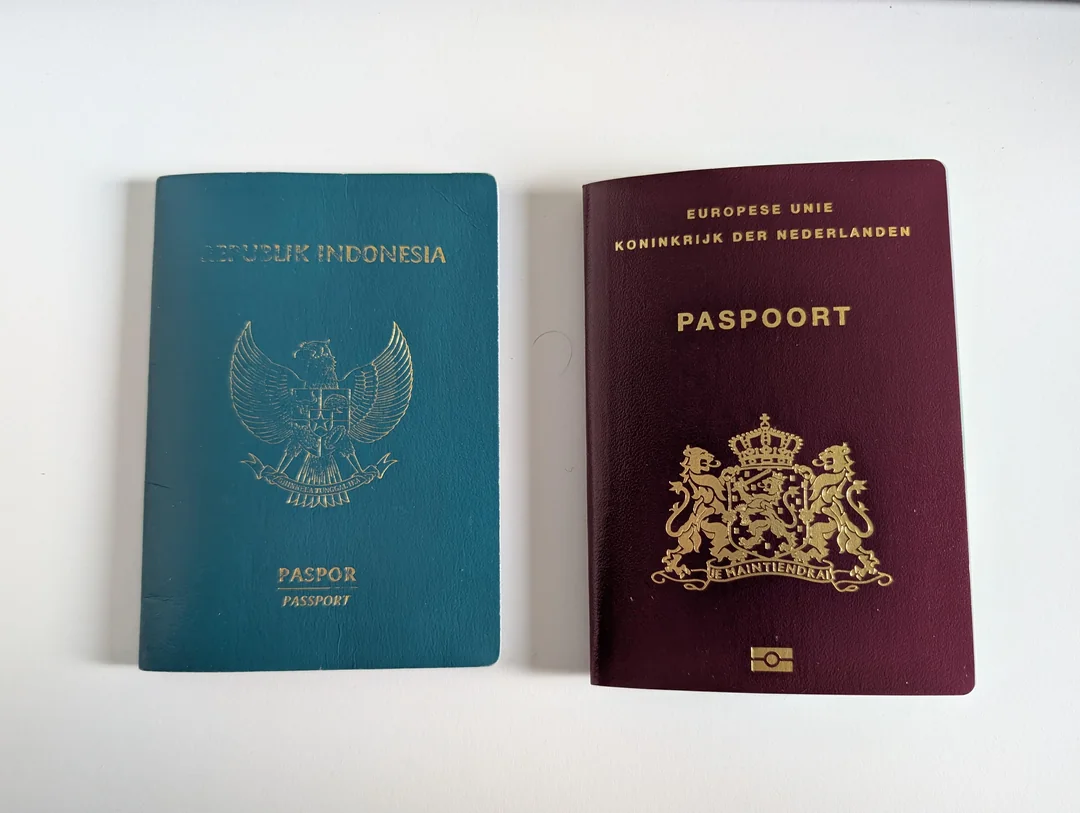
Indonesia is now openly considering a limited form of dual citizenship. That is a significant policy shift but it is still a proposal, not a new adult citizenship programme.
The most important update came on 14 August 2026, when President Prabowo Subianto told Parliament that the government would propose a legal change allowing limited dual citizenship for selected people with exceptional talent who can make an important contribution to Indonesia.
The President’s official statement says the policy is intended to be selective and measured, with integrity checks, defined obligations, and safeguards for national interests.
A week later, the Minister of Law clarified that the idea is not meant only for foreign nationals. Qualified members of the Indonesian diaspora may be prioritised. He also said one possible model would involve a ministry or government institution proposing a candidate rather than individuals applying through an open public route.
That clarification was reported on 21 August 2026. The Minister also stressed that the policy is still a proposal and not yet a political decision.
Quick answer
As of 28 August 2026, Indonesia has not introduced a general adult dual-citizenship programme Law No. 12 of 2006 remains in force. The government has proposed a limited, selective pathway for certain talent, but the final eligibility rules, rights, process, fees and start date have not been enacted.
Important legal note
This article is general information, not legal advice. Citizenship status can affect nationality, passports, family status, property, employment, tax and other rights.
Before acting on a personal case, confirm the current law with the relevant Indonesian authority and a qualified citizenship, immigration or legal specialist.
What the Law Still Says Today
The proposal has not replaced the current Citizenship Law. Until a new law is enacted and takes effect, the existing legal framework remains the starting point.
The official legal database still lists Law No. 12 of 2006 on Citizenship of the Republic of Indonesia as in force.
Indonesia generally follows a single-citizenship principle for adults. The existing law does, however, recognise limited dual citizenship for certain children in circumstances covered by the law.
For an eligible dual-national child, official citizenship guidance from the Directorate General of General Legal Administration explains that the child may hold limited dual citizenship until age 18, with a period after that to declare a nationality choice under the law.
That existing child framework is different from the adult limited-dual-citizenship proposal now being discussed.
What the Government Is Proposing in 2026
The current direction is not “dual citizenship for everyone.” The public statements point to a narrow pathway linked to talent and national contribution.
In his 14 August 2026 address to Parliament, President Prabowo referred to Indonesian diaspora talent in fields including science, medicine, engineering, artificial intelligence, research, business, the arts and sport.
The President said the proposed policy would be selective and measured. Public statements so far indicate that integrity, the person’s contribution, rights and obligations, and national-security considerations would form part of the design.
None of that is yet a final eligibility test. A profession, overseas career, Indonesian ancestry or previous Indonesian citizenship should not be treated as an automatic qualification.
The Latest Clarification: Diaspora May Be Prioritised
On 21 August, the Minister of Law said the proposal is not intended only for foreign nationals and that qualified diaspora could be prioritised.
He also described a possible approach in which a ministry or government institution that needs a particular talent could put forward the person, rather than the individual simply submitting an application.
That process has not been finalised. It should be described as a possibility under discussion, not as the application procedure.
Who May Be Relevant to the Proposal?
There is no final public eligibility list. The safest approach is to separate people mentioned in public statements from people who have a confirmed legal right to apply.
Indonesian Diaspora and Former Citizens
The public discussion clearly includes diaspora members, including people who may have taken another nationality while building careers and families abroad.
The Minister’s latest clarification suggests qualified diaspora may receive priority. That still does not mean former Indonesian citizenship, ancestry or an Indonesian family connection alone will be enough.
People with Exceptional or Strategically Needed Talent
The President’s examples included scientists, doctors, engineers, AI specialists, researchers, entrepreneurs, artists and athletes. The Minister later referred to science, technology, mathematics, medicine and other fields, including social sciences.
These examples show the policy direction. They are not a final list of professions, experience thresholds or contribution criteria.
Mixed-Nationality Families
Families should separate two questions. Certain children already have a limited dual-citizenship framework under current law. The new adult proposal is a different policy discussion.
Parents dealing with a child’s citizenship, passport, registration or nationality-choice deadline should obtain case-specific guidance rather than waiting for the adult proposal to develop.
Dual Citizenship and Global Citizen of Indonesia Are Not the Same
GCI already exists, but it is an immigration status. It does not make the holder an Indonesian citizen.
The Directorate General of Immigration officially launched Global Citizen of Indonesia (GCI) on 26 January 2026. The policy provides an indefinite permanent-stay permit for eligible foreign nationals with qualifying ties or circumstances, while allowing them to keep their existing nationality.
Official immigration information lists categories such as former Indonesian citizens, certain descendants of former Indonesian citizens, legal spouses of Indonesian citizens, children from mixed marriages and eligible family members. The programme also includes a route for certain people with special expertise where the required central-government support is provided.
GCI can therefore be relevant to some people who want a long-term connection with Indonesia today. But it is still permanent residence under immigration law, not Indonesian nationality.
Anyone considering GCI should check the current category, documents, guarantee requirements and application conditions through the official immigration system before relying on it.
What Should You Do While the Proposal Is Still Developing?
There is no reason to make a major citizenship, property or tax decision based on a law that has not yet been enacted. There are, however, useful things you can prepare now.
- Confirm your current citizenship and immigration status. Do not assume ancestry, a former passport, marriage or residence automatically creates a future dual-citizenship right.
- Keep relevant records organised. Depending on your situation, these may include birth, marriage and family records, previous Indonesian documents, or evidence of your current nationality.
- Separate citizenship from residence. A visa, ITAS, ITAP or GCI status is not the same as Indonesian citizenship.
- Follow official updates from the President, Ministry of Law, DPR and Directorate General of Immigration instead of relying on social-media summaries.
- Wait for the final law and implementing rules before assuming there will be an individual application, a particular fee or a fixed processing time.
- Get qualified legal advice before making decisions that depend on nationality, property rights, tax position, succession, employment or another regulated area.
If You Are Planning a Move or Return to Indonesia Now
For a returning diaspora family, former Indonesian citizen or international professional, the practical questions are often immediate: where to live, how to organise the move, what school or commute pattern works, and which immigration route applies today.
Relo Service Indonesia can support the relocation side of that journey through orientation, home search, family support, settling-in and immigration coordination through qualified channels according to the agreed scope.
The team should not be presented as deciding citizenship eligibility or guaranteeing an immigration or government outcome. Citizenship advice and legal conclusions should stay with the relevant authority or a qualified specialist.
For neighbourhood research, Noble Asia’s Area Guides can help you compare the practical character of different parts of Jakarta before a housing search begins.
The Most Useful Question Right Now
The more useful questions are: What is my status today? Which existing residence options are available to me? Which documents should I keep ready? And what official change would actually affect my case if the law is amended?
That keeps a potentially important policy development in perspective without turning a proposal into a promise.
Plan Your Move or Return to Indonesia
If you are planning a move, return or longer-term stay, share your destination, family situation, timing and the practical support you need. Relo Service Indonesia can help map the relocation journey while citizenship and legal questions remain with the appropriate qualified channels.
The search starts with a conversation. No hard sell, no wasted weekends, no signing in the dark.
📩 connect@nobleasia.id | 📞 +62 813 1668 5505
Frequently Asked Questions About Indonesia Dual Citizenship in 2026
Does Indonesia allow adult dual citizenship now?
Indonesia has not introduced a general adult dual-citizenship programme. Law No. 12 of 2006 remains in force, while the government is proposing a limited and selective new pathway.
What changed in August 2026?
On 14 August, President Prabowo publicly proposed limited dual citizenship for selected people with exceptional talent who could make an important national contribution. On 21 August, the Minister of Law clarified that qualified diaspora may be prioritised and that a nomination-based model is one possibility under discussion.
Can I apply for the proposed dual citizenship now?
No public individual application route has been announced. The proposal still needs to become law and may require implementing regulations before an application or nomination process can operate.
Who is expected to qualify?
There is no final eligibility list. Public statements have referred to selected diaspora and people with exceptional or strategically needed talent. Profession, ancestry or former Indonesian citizenship alone should not be treated as proof of eligibility.
Can a child hold Indonesian and another citizenship?
Certain children can hold limited dual citizenship under the current Citizenship Law. The timing for registration and nationality choice can be important, so families should confirm the child’s exact position with the relevant authority.
Is Global Citizen of Indonesia the same as dual citizenship?
No. GCI is an indefinite permanent-residence status for qualifying foreign nationals. It allows the holder to retain the original nationality but does not make the person an Indonesian citizen.
Will future dual citizenship automatically change property rights or tax status?
That has not been confirmed. Citizenship, land rights and tax treatment are separate legal questions. Wait for the final law and obtain qualified advice before making a property or tax decision.
Can Relo Service Indonesia advise me on whether I qualify for dual citizenship?
Relo Service Indonesia can coordinate the practical relocation journey and immigration-related processes through qualified channels under an agreed scope. Citizenship eligibility and legal conclusions should be confirmed by the relevant Indonesian authority or a qualified legal specialist.



Join The Discussion