
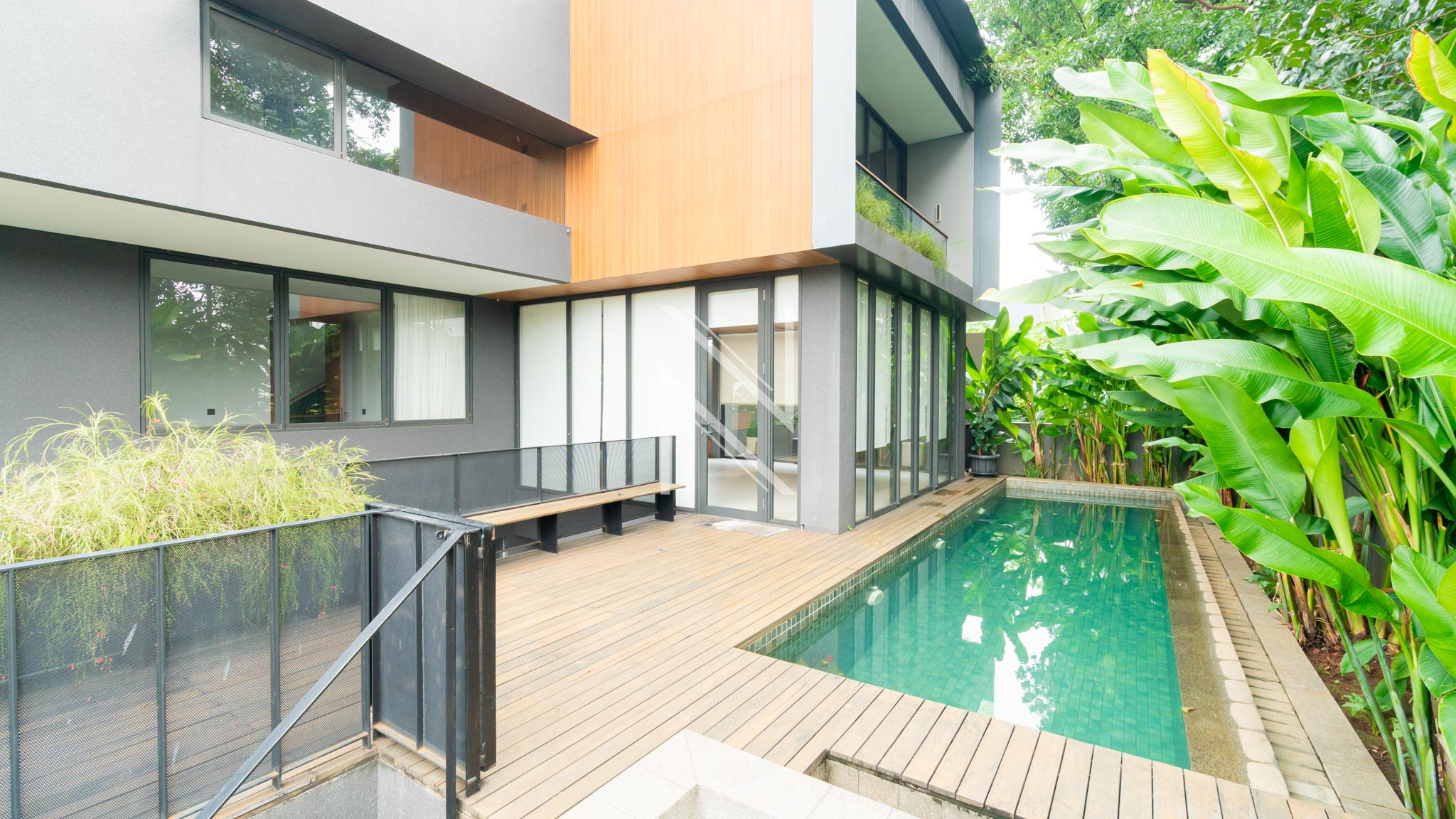
The most common housing mistake expats make in Jakarta isn’t picking the wrong apartment. It’s picking the wrong location and discovering that mistake three weeks into the lease.
Jakarta has hundreds of neighbourhoods, thousands of listings, and a property market that moves fast. But here’s what most relocation guides won’t tell you upfront: in this city, the home you choose matters far less than where you choose it. A beautiful apartment in the wrong part of town will cost you hours every day. A modest house positioned well can give you one of the most comfortable lives in Southeast Asia.
This guide is written for expats and families relocating to Jakarta who want to get that foundational decision right. We cover how Jakarta’s residential geography actually works, which areas suit which lifestyles, what the property types look like, what rents to expect in 2026, and the rental habits that save you the most money and stress. It is practical, specific, and based on the conversations we have with relocating families every week.
The Rule That Changes Everything: Choose Location First, Property Second
Jakarta does not reward the usual house-hunting logic. In most cities, you find a home you love and then work out the commute. In Jakarta, that sequence is a trap.
Distance here is almost meaningless. What matters is travel time and travel time in Jakarta changes completely depending on which direction you are heading, what time you leave, whether you are crossing a flyover or navigating a narrow gang, and whether your child’s school runs lines up with rush hour or cuts across it. A home that sits eight kilometres from your office can mean 20 minutes on a clear Saturday afternoon and 90 minutes on a Tuesday morning.
⚠ The rule: map your fixed points first your office, your children’s school, the clinic you will register with, the places you go every week then find your home within range of those anchors. A home that fails the rush-hour commute test will quietly drain your patience for the full length of the lease.
This is not just practical advice. It is the single most important factor in whether Jakarta feels liveable or exhausting. Expats who choose their home around a beautiful unit or a rooftop pool and then discover the commute are the ones who spend their assignment counting the days. Expats who anchor the search to their actual daily routine are the ones who genuinely enjoy the city.
Before you look at a single listing, answer these questions: Where is the office? Which school is shortlisted? Do you need to cross the city or stay within one corridor? Are you car-dependent or do you want MRT access? Once you have those anchors, the map of Jakarta narrows quickly and the search becomes far more useful.
Understanding Where Expats Actually Live in Jakarta
Let’s clear up a common misconception first. Jakarta doesn’t have a single ‘expat neighbourhood’, a defined district where all foreigners cluster. That model belongs to other cities, not this one.
What Jakarta has instead is a set of residential areas in South Jakarta and Central Jakarta that happen to sit close to the things that matter most for people relocating here: the central business districts, international company offices, foreign embassies, international schools, and the infrastructure that makes daily life manageable. Expats don’t live in those areas because other expats do. They live there because those areas reduce commute times, school run distances, and the friction of daily life.
The broad geography works like this. Central Jakarta holds the main business districts, the Sudirman-Thamrin corridor, the embassy quarter around Kuningan, and the heritage residential streets of Menteng. South Jakarta is the largest zone of family-oriented expat living, stretching from Kebayoran Baru and the SCBD southward through Kemang, Pondok Indah, and Cilandak. North Jakarta and East Jakarta house the majority of Jakarta’s population but rarely appear on the expat housing shortlist, mainly because commute times to the main office clusters become difficult to manage.
Within South and Central Jakarta, different areas attract different profiles not because of tribalism, but because each area has a different relationship with the key anchors: distance to the CBD, proximity to international schools, access to the MRT, green space, and lifestyle infrastructure.
The Main Residential Areas: An Honest Orientation
Menteng is a Central prestige, heritage streets, embassies
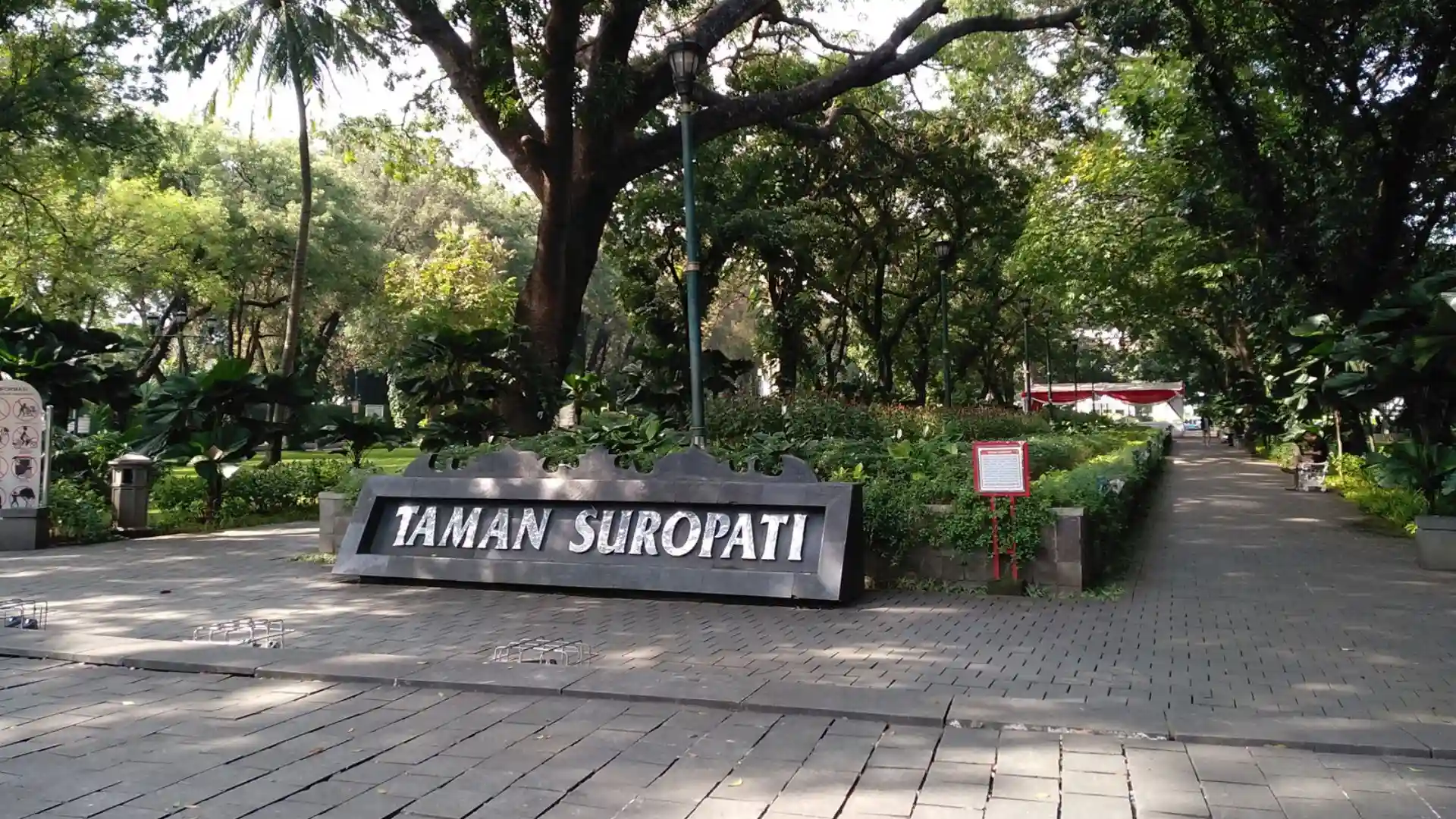
Menteng is Jakarta’s original planned residential district, built in the Dutch colonial era and still carrying that DNA: wide shaded streets, grand houses set back behind walls, embassies and consulates as neighbours, and a settled sense of Central Jakarta calm. It is as central as Jakarta gets for a residential address.
The commute logic is straightforward: Menteng sits minutes from the Sudirman-Thamrin corridor and the main embassy quarter. If your office is in Central Jakarta, this is the shortest possible daily commute for a residential neighbourhood. The MRT is nearby. The trade-off is that Menteng doesn’t offer the expat social infrastructure of the south, fewer international cafes, a more local neighbourhood feel, and a housing stock that runs heavily toward large heritage houses rather than modern apartment towers. For senior executives, diplomats, and those who prioritise central calm over social buzz, it is consistently among the first choices.
Best for: Senior executives, diplomats, families who want space and a Central Jakarta address. Limited modern apartment stock; houses dominate.
Kemang is a South Jakarta’s social heart
Kemang is the area most expats hear about first, and the reputation is earned. It has the densest concentration of international restaurants, cafes, and galleries south of the city centre. The expat community here is visible and sociable. International schools are within range. The neighbourhood has a village-like quality that makes it easy to build a social life quickly after arrival.
The commute reality is more mixed. Kemang sits in South Jakarta with no MRT access, and its streets which grew organically rather than through planning are narrow and slow in the morning. If your office is in the SCBD or further north, the commute adds up fast. And Kemang carries a genuine flood risk in certain streets; this is not an area-wide problem, but it is street-by-street, and it needs to be checked at the specific address before you sign anything.
Choose Kemang with your eyes open. It is an excellent lifestyle choice for those whose work sits in the south or who can manage the traffic to a central office. It rewards the right profile enormously and quietly penalises the wrong one.
Best for: Outgoing expats and sociable families. Check flood risk and commute direction carefully. Car-dependent.
Also Read: Living In Kemang: A Practical Guide for Expats in South Jakarta
Pondok Indah is a Space, schools, and suburban quiet
Pondok Indah is family Jakarta: wide roads, large walled houses, green space, and a cluster of good international schools within a manageable radius. It is not a lifestyle-first neighbourhood. It doesn’t have Kemang’s cafe culture or Menteng’s central prestige but for families whose daily anchor is a school in the south, it is one of the most practical addresses in the city.
The commute calculus is the main consideration. Pondok Indah is well south of the central business district, and the drive north during peak hours can be significant. If the office sits in the CBD, you are looking at a meaningful daily journey. If the office is in the TB Simatupang corridor or further south, it is very manageable. The MRT does not reach this far south. Pondok Indah is emphatically a car-dependent address plan for that from day one.
Best for: Families centred on south Jakarta schools. Significant commute to Central Jakarta. No MRT. Excellent space for the budget.
SCBD and Senopati is a Modern, walkable, and central
SCBD, the South Central Business District and the adjoining Senopati dining and lifestyle strip together form the most contemporary residential cluster in Jakarta. The office towers of the SCBD are literally next door. The MRT runs through. Senopati has become the city’s most talked-about dining and weekend destination. High-rise apartments here rank among the best-managed in Jakarta.
The commute logic is simple: if your office is in or near the SCBD, this is the shortest, least stressful route to work in the whole city. You can walk, or take the MRT. The trade-off is that standalone houses are rare, high-rise rents are at the top of the market, and the neighbourhood has more of a professional-urban character than a family-settled one. Young professionals and couples who want the shortest possible commute and a lock-and-leave apartment consistently choose this area.
Best for: Professionals and couples whose office is in or near the SCBD. Best MRT access. Premium rents. Limited house stock.
Other areas worth knowing
A few more names come up often in our conversations with relocating expats:
- Kebayoran Baru sits between the SCBD and the south, offering a settled central-south residential feel with a mix of houses and apartments at slightly more moderate prices.
- Cilandak and the TB Simatupang corridor form a practical belt for families and professionals working at the cluster of office parks in the south of the city and with a handful of good international schools close by.
- Sudirman and Thamrin put you in the heart of the Central Jakarta corporate zone ideal for the absolute shortest commute to a CBD office, predominantly high-rise apartments.
- Kuningan is the embassy quarter, dense with apartment buildings and well positioned for both the SCBD and Central Jakarta, a practical choice for the diplomatic and corporate crowd.
- Menteng Dalam, Mampang, and other transitional south-central areas are increasingly relevant for expats who want more space than SCBD offers but better commute times than deep south Jakarta worth exploring with a local agent who knows the streets.
Property Types: What You Can Actually Rent in Jakarta
Once you have narrowed the area to one or two options, the property type decision follows naturally from how you want to live day to day.
High-rise apartments
Apartments are the default for professionals, couples, and smaller families arriving in Jakarta. They bundle security, a pool and gym, lifts, and a central location into a single low-maintenance package. The range runs from older, more affordable buildings to five-star towers with concierge service and hotel-grade facilities.
If you are used to European apartment living, the facilities here will genuinely surprise you. At the USD 1,500 and above monthly range which covers most of the buildings, expats consider the standard package typically includes a swimming pool, a well-equipped fitness centre, 24-hour reception, and 24-hour security. Many premium buildings go further: private lifts that open directly into the unit, dedicated retail areas on the lower floors, free covered parking, and both indoor and outdoor children’s playgrounds. These are not premium upgrades; they are the baseline expectation. A building without them will feel under-spec to most newly arrived expats, and will be noticeably harder to resell or sublet. This is simply what the Jakarta apartment market offers at this price point, and it is one of the more pleasant surprises for people relocating from cities where a working lift is considered a luxury.
One thing that will not be in most Jakarta apartments, regardless of how premium the building is: a dishwasher. Built-in dishwashers are uncommon across the market, and the reason is entirely practical. Electricity in Jakarta is significantly more expensive than in most Western cities, and running a dishwasher daily adds up fast. What most households use instead is a live-in or part-time helper whose duties include washing up a very normal arrangement here, and one that costs far less per month than the electricity a machine would consume. If you are relocating with family, budget for a helper as part of your household setup rather than expecting European-style kitchen appliances to do that work.
The most important habit when renting an apartment is to assess the building, not just the unit. A polished interior in a poorly managed tower with an unreliable lift and slow maintenance response will frustrate you daily. A plainer flat in a well-run building with a responsive team and good backup power is a pleasure to live in. Spend ten minutes in the lobby. Talk to staff. Check the genset. The building is the product, not just the walls of the apartment.
Serviced residences
Serviced residences are the hotel-style option: fully furnished, housekeeping included, flexible lease terms, and a front desk downstairs. They are ideal for first arrivals who need somewhere comfortable while the longer-term search continues, for short assignments of six months or less, and for bridging the gap before a house or permanent apartment is ready. You pay a premium for that flexibility, typically 20 to 40 percent more per month than a comparable unfurnished unit but for the first few months in a new city, the ability to arrive, unpack, and function immediately is usually worth it.
Houses and walled compounds
For space, privacy, and room for a family to spread out, nothing in Jakarta matches a house. The classic expat house is a walled property with a garden, often a private pool, space for live-in staff, and the kind of room that apartments simply can’t offer. Gated compounds add a layer of shared security and maintenance management on top of that, which many families find makes the daily logistics significantly easier.
The trade-offs are real and worth knowing. Houses require you to manage your own household staff, handle maintenance yourself or through your agent, and carry a more significant security responsibility than a managed building. Some older houses have dated interiors, ageing wiring, or drainage issues that are not obvious during a dry-season viewing. Flood and access checks are essential before signing, and the check needs to happen at street level, not just by asking the agent.
Townhouses and low-rise clusters
Townhouses and low-rise managed clusters are an underrated middle ground with more space and usually a small garden or terrace, with far less maintenance than a full house. For smaller families or couples who want something between apartment convenience and house space, a well-managed townhouse cluster in the right area is often the smartest value in the market.
A quick comparison
| Apartment | House or compound | |
| Space | Compact to mid-size | Large, usually with garden |
| Maintenance | Managed by the building | Mostly your responsibility |
| Security | On-site, included | Your own, or compound-managed |
| Privacy | Shared building | High |
| Staff | Usually not needed | Live-in staff common |
| Typical location | Often central or SCBD | Often south Jakarta |
| Best for | Professionals and couples | Families wanting space |
| Indicative 2026 rent | IDR 15–70 million per month | From IDR 50 million per month |
Figures are indicative for 2026. Verify against current listings.
Indicative 2026 Rental Prices
Rent in Jakarta varies too widely to give precise figures: area, building quality, furnishing, and floor level all move the number significantly. What follows is a broad orientation for 2026 that gives you a planning range, not a quote.
- Serviced residences: from around IDR 15 million per month for a compact unit upwards, with premium buildings and larger units well above IDR 40 million.
- One to two bedroom apartments in a good building: broadly IDR 12 to 40 million per month, depending heavily on the building and location.
- Three bedroom apartments and townhouses: broadly IDR 25 to 70 million per month.
- Four bedroom and larger houses or compounds: from around IDR 50 million per month, with prestige addresses and large plots running much higher.
Premium buildings in SCBD, Senopati, and Menteng sit at the top of each band. Areas further south and those with older stock offer more space for the money. A bare-shell unit pushes the effective cost higher because you are furnishing and fitting it yourself.
The professional view: The headline rent is only part of the true cost. Factor in the twelve-months-upfront norm, agency and legal review fees, any furnishing required, and the building’s monthly service charge. A cheaper unit with high service charges and an empty interior often costs more than a furnished home that looked dearer on paper.
A Sample of Current Noble Asia Listings
To make those ranges concrete, here is a selection from our current portfolio across different areas and property types. Availability moves quickly, treat these as market examples rather than standing offers, and contact us or browse our listings for what is available now.
| Property | Area | Type | Beds | Indicative rent |
| Affordable 1BR at 57 Promenade | Thamrin, Central | Apartment | 1 | IDR 20 million / month |
| Savyavasa Strategic 2BR Residence | Kebayoran Baru, South | Apartment | 2 | IDR 48.33 million / month |
| Savyavasa Spacious 3BR Residence | Kebayoran Baru, South | Apartment | 3 | IDR 66.5 million / month |
| Aryaduta Semanggi Elegant 2BR | Semanggi, South | Serviced | 2 | IDR 32 million / month |
| Aryaduta Semanggi Spacious 3BR | Semanggi, South | Serviced | 3 | IDR 36 million / month |
| Well-Balanced 3BR House, Menteng | Menteng, Central | House | 3 | IDR 43.75 million / month |
| Stylish 4BR for Comfortable Family Home, Kemang | Kemang, South | Compound | 4 | IDR 50 million / month |
| Premium 6BR Home, Penta Residence | Cilandak, South | Compound | 6 | IDR 91.9 million / month |
Listings and prices are current as of mid-2026 and change frequently. Verify availability and terms with Noble Asia.
Rental Tips: How to Rent Smart in Jakarta
⚠ Never sign a lease before testing the commute at rush hour and checking the street’s flood history. Most Jakarta leases are twelve months paid upfront and difficult to exit. A home that looks perfect on a dry-season midday viewing can lock you into a 90-minute daily commute or a flooded ground floor. These checks take one day. The lease lasts a year.
Plan for twelve months upfront
Most Jakarta landlords expect a full year of rent paid in advance and for houses, some require two. This is normal here, not a red flag. It reflects how the local rental market has always worked. It does mean your first housing payment is substantial, so plan your cash flow around it before the search begins. Instalment plans exist in serviced residences and some apartment buildings, but they typically carry a higher monthly rate. If upfront payment is a constraint, say so to your agent early, and let them negotiate the terms.
Test the real commute, not the map
Sit in the car at 8am on a weekday, from the actual address to the actual destination. Not Google Maps at 11am on a Saturday. Jakarta’s traffic patterns are highly directional and highly time-sensitive. A 6-kilometre commute going against the main flow might take 20 minutes. The same distance running with peak traffic toward the CBD might take 90. That difference, lived daily for a year, is the difference between an assignment you enjoy and one you endure.
Check flood risk at street level
Jakarta flooding is intensely local. One street floods most wet seasons while the adjacent road stays completely dry. Area reputation tells you almost nothing at this level of detail. Ask the security guards and neighbours directly they will tell you honestly. Look for watermarks on walls and gateposts. Favour houses with raised entrances and good drainage. A viewing in the dry season reveals nothing about flood history, which is exactly why you need to ask the question separately and verify with people who were there.
Inspect the building, not just the unit
For apartments especially, the building is what determines your quality of life day to day. Check the backup generator (essential during outages), water pressure and quality, lift reliability, management responsiveness, internet infrastructure, and whether the common areas are well maintained. Ten minutes in the lobby talking to staff or residents will tell you more than an hour inside the unit. A well-run building elevates an ordinary apartment; a neglected one makes even a premium unit frustrating to live in.
Get everything in writing
Make sure the lease covers the furnishing inventory, who is responsible for maintenance and repairs, any diplomatic clause or break clause, deposit terms, and what happens at renewal. A clear bilingual contract prevents most disputes and protects both sides. A verbal understanding, however warm the relationship at signing, is not a contract. This is especially important for any agreements made during the negotiation phase, get them written into the document before you hand over the funds.
Use an agent who represents you
Most Jakarta listings are structured to favour the landlord. Prices are negotiable often more than newcomers expect. The best homes frequently move before they are widely advertised. A local agent who works in your interest rather than the owner’s saves time, money, and avoidable mistakes. They handle the commute checks, the flood history, the lease review, and the negotiation so you make a decision with the full picture rather than the listing photo. That is exactly what the Noble Asia team does for every client.
How Your Visa and Timing Affect the Housing Search
Housing and immigration in Jakarta are more interconnected than most newcomers expect. Landlords generally feel more comfortable renting to tenants with settled long-term status a clear KITAS or KITAP history signals stability. And several registration steps require a fixed residential address, some with tight deadlines that land in the same chaotic weeks as arrival.
New KITAS holders are required to register their residential address for the SKTT within 14 days of receiving the permit card. That clock starts on arrival. Planning the housing timeline and the immigration timeline together rather than treating them as separate processes makes those first weeks significantly less stressful.
If you are still working through your permit, our KITAS and KITAP guide explains the visa side in plain terms so you can line the two processes up before you land.
How Noble Asia Helps Expats Find the Right Home
We work with expats, families, and corporate HR teams across every major Jakarta area and property type. Because we work across the whole city rather than one building or one development, we can give you an honest view of where you should actually live not just what we happen to have available.
Our approach starts with the commute and the lifestyle anchors before we look at a single property. The search is only useful once the location logic is right. When we show you a home, it has already been tested against your daily route and checked for flood and access risk so you are making a decision with the full picture, not discovering the problems after you have signed.
Tell us where you need to be each day, how you want to live, and what your budget is. We will find you homes that are genuinely matched to your routine commute-tested, flood-checked, and ready for you to walk in and make yours.
The search starts with a conversation. No hard sell, no wasted weekends, no signing in the dark.
📩 connect@nobleasia.id | 📞 WhatsApp: +62 813 1668 5505
FAQ: Expat Housing in Jakarta
Where do most expats live in Jakarta?
Most expats live in South Jakarta and Central Jakarta not because of a defined ‘expat neighbourhood,’ but because those areas sit closest to the things that matter most for people relocating here: international business districts, foreign embassies, international schools, and the MRT. The most common addresses are Menteng, Kemang, Pondok Indah, Kebayoran Baru, and the SCBD and Senopati district, each with a different character and commute profile.
What is the most important factor in choosing where to live?
Travel time, not distance. Jakarta’s traffic makes distance meaningless as a planning metric. A property that looks close on the map can be a very long daily commute depending on direction, time of day, and the specific roads involved. Always test the real journey at rush hour before committing to a lease.
What is the best area in Jakarta for families?
It depends on which school you choose and where you work. Pondok Indah and Menteng are consistent family favourites for their space and school proximity. Kemang suits families who want a social community and can manage the traffic. The most useful step is to settle the school question first that anchors the search geographically more than anything else.
Should I rent an apartment or a house in Jakarta?
Apartments suit professionals and couples who want security, facilities, and minimal daily upkeep. Houses and compounds suit families who want space, a garden, and privacy and are willing to manage household staff and maintenance. Serviced residences are the flexible option for first arrivals and shorter assignments.
How much does expat housing in Jakarta cost in 2026?
As a rough planning range: one to two bedroom apartments broadly run IDR 12 to 40 million per month; three bedroom apartments and townhouses IDR 25 to 70 million; houses and compounds from IDR 50 million per month upward. Premium buildings in SCBD, Menteng, and Senopati sit at the top of each range. Always verify against current listings the market moves.
Do I really have to pay a year of rent in advance?
Usually, yes. Most Jakarta landlords expect twelve months of rent upfront. For houses, some require two years. Instalment plans and shorter terms exist in serviced residences and certain apartment buildings, but they carry a higher monthly rate. This is normal market practice here, not a red flag but it shapes cash flow significantly, so plan for it from the start.
Is flooding a real risk in Jakarta?
Yes, in specific streets not across whole areas. Jakarta flooding is highly local. One street can flood every wet season while the next stays completely dry. Never rely on neighbourhood reputation. Check the specific address with neighbours and security staff, look for watermarks on walls and gates, and favour homes with raised entrances and good drainage. A dry-season viewing will not tell you this.
Do I need a KITAS or KITAP to rent a home in Jakarta?
You can rent at most stages of your residency, but landlords generally prefer tenants with settled long-term status. You also need a fixed residential address for several registration steps, including the SKTT registration which must be completed within 14 days of receiving a new KITAS. Plan the housing timeline and immigration timeline together to avoid scrambling in your first fortnight.
Should I use an agent to find a home in Jakarta?
Yes. Prices in Jakarta are negotiable, many good homes move before they are widely listed, and a knowledgeable local agent saves you the commute logic, flood checks, lease review, and negotiation. An agent who represents you rather than the landlord is the most efficient and reliable way to make a good housing decision in this city.


Join The Discussion