
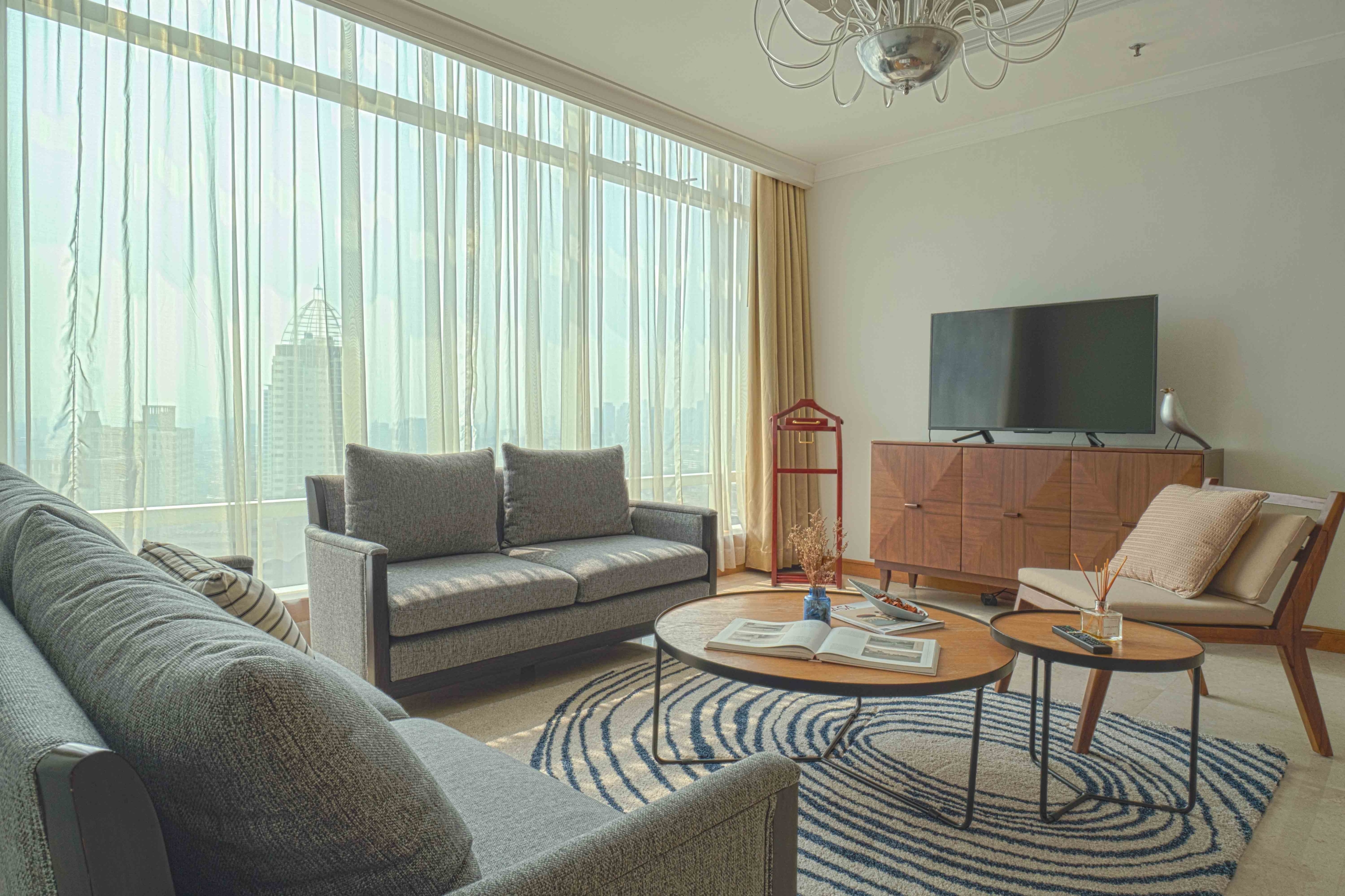
Luxury interior design is often associated with marble surfaces, designer furniture, dramatic lighting, and large spaces. But true luxury is not only about how expensive a home looks. It is about how well the space works, how comfortable it feels, and how intentionally every detail comes together.
A luxury home should feel calm, refined, functional, and personal. It should support the way people actually live, not just look beautiful for photos.
This is especially important for homes in Jakarta and Bali. A high-rise apartment in Sudirman, SCBD, Thamrin, or Kuningan will need a different design approach from a family house in Kemang or Pondok Indah. A villa in Bali will also need a different balance of natural materials, comfort, durability, and indoor-outdoor flow.
The original article outline highlights the main elements that define luxury interior design: space planning, high-quality materials, layered lighting, custom furniture, balanced color palettes, comfort, personalization, and small finishing details.
So, what actually makes an interior feel luxurious? Let’s break it down.
Luxury Interior Design Is More Than Expensive Furniture
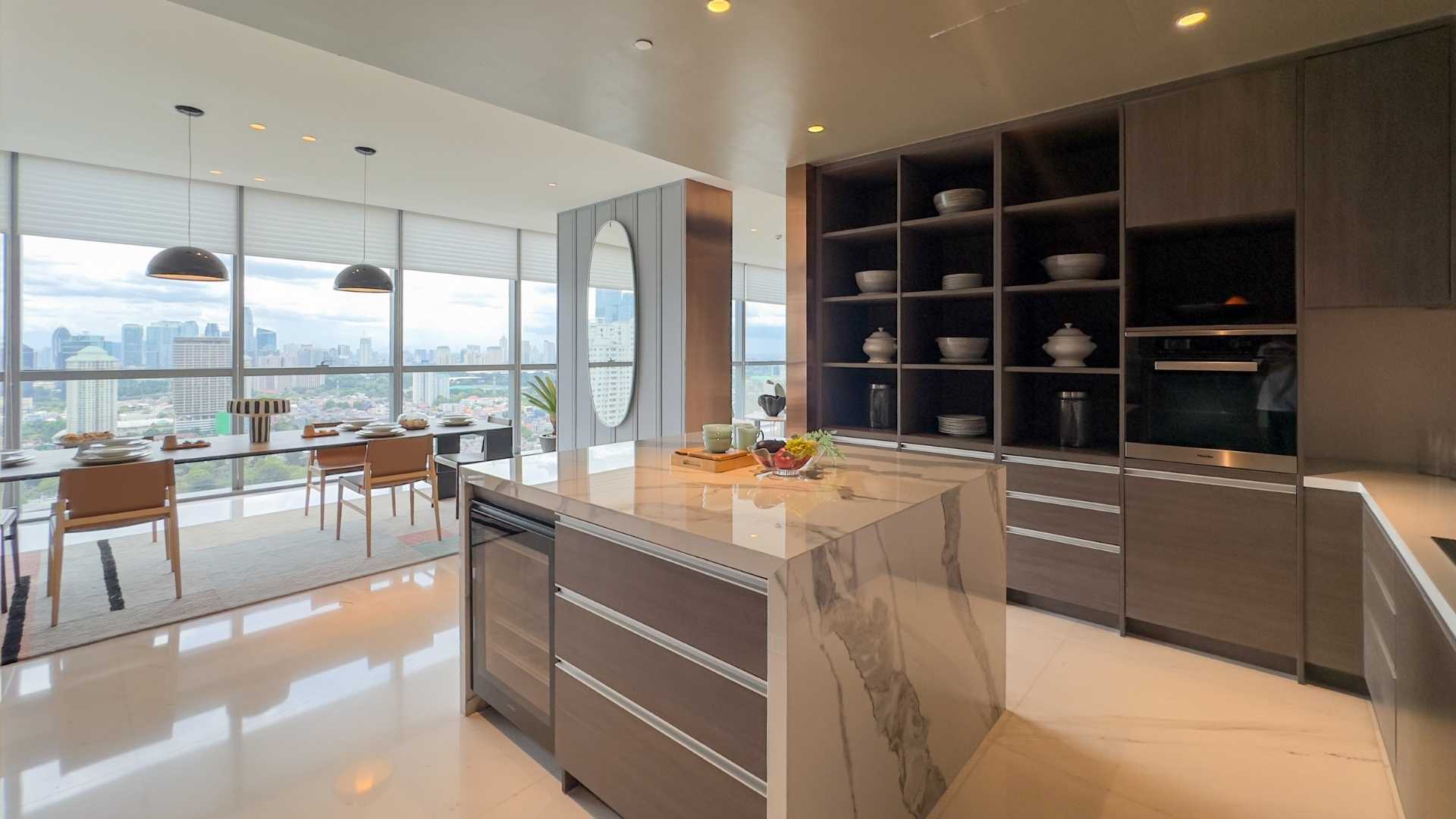
A common mistake is thinking that luxury interior design starts with buying the most expensive sofa, dining table, or decorative piece. While high-quality furniture matters, one expensive item will not automatically make a home feel luxurious.
Luxury comes from the full experience of the space.
It is in how the layout flows, how the lighting feels at night, how the materials age, how storage is integrated, and how the home supports everyday life. Architectural Digest’s 2026 interior design forecast also points toward richer, more livable, more personal interiors, with emphasis on self-expression, tactile craftsmanship, wellness spaces, and meaningful design details.
Why true luxury is about comfort, quality, and intention
A luxury home should feel easy to live in. The furniture should fit properly. The rooms should be easy to move through. The lighting should feel warm and flexible. The materials should feel good to touch and perform well over time.
This is where intention matters. A well-designed home does not feel random. Every element has a reason.
How luxury design changes the way a home feels
Good luxury interior design changes the atmosphere of a home. A room can feel calmer, warmer, more spacious, and more complete simply because the layout, lighting, material, and styling work together.
In short, luxury is not only seen. It is felt.
1. Thoughtful Space Planning
Space planning is one of the strongest foundations of luxury interior design. Before choosing colors, furniture, or finishes, the layout needs to work.
A luxury home should feel natural to move through. The living room should not feel blocked. The dining area should feel comfortable. The bedroom should feel restful. Storage should be placed where it is actually needed.
A luxury home should feel easy to move through
Good space planning considers walking flow, furniture size, privacy, natural light, storage, room function, and daily routines.
For example, a two-bedroom apartment in SCBD may need to include a living room, dining space, work corner, and storage without feeling crowded. A house in Pondok Indah may need clearer zoning between formal living, family areas, service areas, bedrooms, and outdoor spaces.
Luxury does not always mean more space. It means better use of space.
Why layout matters in apartments, houses, and villas
In Jakarta apartments, layout planning is critical because every square meter matters. Built-in storage, slim furniture, and clean circulation can make a compact unit feel much more elevated.
In larger homes, layout determines comfort. A poorly planned large house can still feel awkward, while a smaller home with good flow can feel refined and easy to live in.
2. High-Quality Materials and Finishes
Materials play a major role in how luxurious a home feels. High-quality materials do not always need to look flashy. In many cases, the most elegant interiors use materials that feel timeless, tactile, and well-crafted.
Natural textures, premium surfaces, and long-lasting details
Popular materials in luxury interiors include natural stone, marble, solid wood, engineered wood, linen, leather, brass, glass, textured wall panels, premium laminates, and custom cabinetry finishes.
Natural materials continue to be a major part of luxury design because they add warmth, depth, and durability. Architectural Digest also notes that dark woods, natural materials, layered textures, and sustainable or vintage pieces are becoming more desirable in 2026 interiors.
Why material selection affects the overall mood of the home
A room with only flat, glossy surfaces can feel cold. But when wood grain, stone texture, soft fabric, and subtle metal accents are layered properly, the home feels richer and more complete.
For Jakarta homes, material selection should also consider humidity, heat, air conditioning, and daily use. For Bali villas, natural stone, wood, rattan, and linen can help create a relaxed but refined tropical feel.
3. Lighting That Creates Atmosphere
Lighting is one of the biggest differences between a basic interior and a luxury interior.
Many homes rely too much on one ceiling light. This often makes a room feel flat, harsh, or unfinished. Luxury interior design uses layered lighting to create warmth, depth, and flexibility.
Layered lighting for warmth and depth
A good lighting plan may include ceiling lights, cove lighting, wall lights, table lamps, floor lamps, pendant lights, under-cabinet lighting, and accent lighting for shelves or artwork.
Each light has a role. Some lights are for function. Others are for mood. A living room may need brighter lighting during the day, but softer lighting for evening relaxation.
Why one ceiling light is never enough
One ceiling light cannot create depth. It lights the room, but it rarely creates an atmosphere.
Layered lighting helps highlight textures, wall panels, artwork, marble surfaces, custom cabinets, and furniture shapes. ELLE Decor’s lighting coverage also reflects how sculptural lamps, sconces, and more expressive lighting pieces continue to influence modern interiors.
In luxury interiors, lighting should never feel like an afterthought.
4. Custom Furniture and Built-In Details
Custom furniture is often what makes a luxury home feel truly tailored.
Instead of forcing standard furniture into a room, custom pieces are designed to fit the space properly. This creates a cleaner, more polished, and more functional result.
Tailored pieces that fit the space properly
Custom design can include built-in wardrobes, TV cabinets, kitchen cabinets, bathroom vanities, storage walls, study desks, walk-in closets, custom headboards, dining benches, and display shelves.
For apartments in Jakarta, this is especially useful because built-ins can maximize storage while keeping the look seamless.
How custom design creates a more polished look
Custom furniture helps the home feel connected from one area to another. The materials, proportions, and finishes can be coordinated properly, creating a more refined visual flow.
This is one reason luxury interiors often feel calm. Everything looks like it belongs.
5. A Balanced Color Palette
Luxury interiors usually have a clear and balanced color direction. This does not mean every home needs to be beige or neutral. It means the colors should work together.
Calm tones, contrast, and visual harmony
A luxury palette may include warm white, cream, beige, taupe, soft grey, brown, olive, charcoal, deep blue, muted gold, black accents, and natural wood tones.
The key is harmony. A room feels more elevated when the colors flow naturally from one area to another.
Why luxury interiors rarely feel random
Luxury interiors do not feel accidental. Even when the home has personality, there is still a clear visual language.
For Jakarta apartments, warm neutrals often work well because they make rooms feel calm, bright, and timeless. For Bali villas, earthy tones and natural textures help create a softer tropical atmosphere.
6. Comfort That Feels Effortless
Luxury should not feel stiff.
A home may look beautiful, but if the sofa is uncomfortable, the dining chairs are impractical, or the bedroom lighting feels harsh, the space will not feel truly luxurious.
Soft textures, proper proportions, and daily usability
Comfort comes from sofa depth, chair support, soft rugs, quality bedding, practical dining chairs, good air circulation, comfortable lighting, and storage that is easy to use.
Luxury design should make daily life easier, not more complicated.
Why a luxury home should still feel livable
This is especially important for expats and families relocating to Jakarta. A home should help people settle faster. It should feel easy to use from day one.
The best interiors feel refined but still natural. They look polished, but they are not too precious to live in.
7. Personalization and Lifestyle Fit
Personalization is what separates a luxury home from a generic showroom.
A truly luxurious interior reflects the people living in it. This does not mean filling the house with too many personal objects. It means designing the space around lifestyle, habits, and preferences.
Designing around the way you live
A family may need child-friendly materials, extra storage, and comfortable shared areas. A frequent host may need a stronger dining and entertaining space. A remote worker may need a proper home office. A property investor may need a design that appeals to premium tenants.
The design should start with real questions: How do you live? What do you use every day? What should the home help you feel?
Why luxury should not feel copied from a showroom
A luxury home should not look like it was copied from a catalog. It should feel tailored.
This is also why working with a design team that understands both property and lifestyle can make a big difference.
8. Attention to Small Details
Small details can quietly elevate the whole home.
In luxury interiors, details are rarely accidental. Cabinet handles, curtain tracks, trims, switches, skirting, grout lines, upholstery stitching, and decorative styling all contribute to the final result.
Hardware, trims, styling, and finishing touches
Important details include hardware finishes, wall trims, cabinet edges, curtain quality, mirror placement, door handles, outlet positioning, styling accessories, artwork scale, fabric texture, and kitchen or bathroom fixtures.
These details may seem small, but together they make the home feel more finished.
How details quietly elevate the whole space
A luxury home does not need to be overly decorated. Sometimes, the most elegant interiors are the ones where every detail feels clean, consistent, and carefully chosen.
This is where good execution becomes just as important as good design.
Luxury Interior Design in Jakarta and Bali Homes
Luxury interior design should always respond to its location.
A city apartment, a South Jakarta family home, and a Bali villa should not be designed the same way.
Apartments in Sudirman, SCBD, Thamrin, and Kuningan
Luxury apartments in Jakarta need a polished, practical, and city-friendly approach. These homes benefit from smart storage, custom furniture, layered lighting, compact work areas, and refined finishes.
Because space may be limited, the design needs to be efficient without feeling basic.
Houses and villas in Kemang, Pondok Indah, and Bali
In Kemang, Pondok Indah, Cipete, and Cilandak, homes often allow more space for family living, entertaining, outdoor areas, and layered interiors.
In Bali, luxury interiors often connect more strongly with nature. Natural materials, open layouts, indoor-outdoor living, stone finishes, and relaxed textures work well for private villas and rental properties.
A good luxury interior project should match the property type, location, climate, lifestyle, and long-term purpose of the home.
Planning a Luxury Interior Project?
Creating a luxury interior takes more than choosing beautiful furniture. It requires planning, technical understanding, material knowledge, styling, vendor coordination, and proper execution.
NOBLE DESIGN ASIA service supports interior design, renovation, fit-out, and styling projects across Jakarta and Bali with a structured turn-key delivery approach. The team also handles scope, timeline, approvals, procurement, contractor coordination, site supervision, and quality checks throughout the process.
Whether you are furnishing an apartment, upgrading a family home, or preparing a villa, Noble Asia can support the process from interior planning to final setup.
Let us help you create a space that feels refined, functional, and made for the way you live.
Plan Your Interior Project Now
FAQ: Luxury Interior Design
What defines luxury interior design?
Luxury interior design is defined by thoughtful space planning, high-quality materials, layered lighting, custom details, comfort, personalization, and a balanced overall look.
What makes a home interior look luxurious?
A home looks luxurious when the layout feels open, materials feel refined, lighting is well-planned, colors are balanced, and details are consistent.
Is luxury interior design always expensive?
Not always. Luxury design does involve quality materials and proper execution, but it does not need to be excessive. A well-planned home can feel luxurious without being overly flashy.
What colors are best for luxury interiors?
Warm neutrals such as cream, beige, taupe, soft grey, brown, and warm white are commonly used. Dark accents, natural wood, brass, and stone textures can add depth.
How do I make my apartment feel more luxurious?
Improve lighting, choose furniture with the right scale, use quality materials, add built-in storage, keep the layout clean, and style the space with intention.
Why is lighting important in luxury interior design?
Lighting creates mood, depth, and warmth. Layered lighting helps highlight materials, textures, furniture, and architectural features.
Is custom furniture important for luxury interiors?
Yes. Custom furniture helps maximize space, improve storage, and create a more polished look, especially in apartments and compact homes.
Can luxury interior design increase property value?
Yes. A well-designed home can feel more move-in ready and more attractive to buyers or tenants, especially for premium rentals, expat housing, serviced apartments, and villas.

Join The Discussion