Moving abroad as a family is never just about packing boxes and changing addresses. It’s about watching your children grow in ways you never expected.
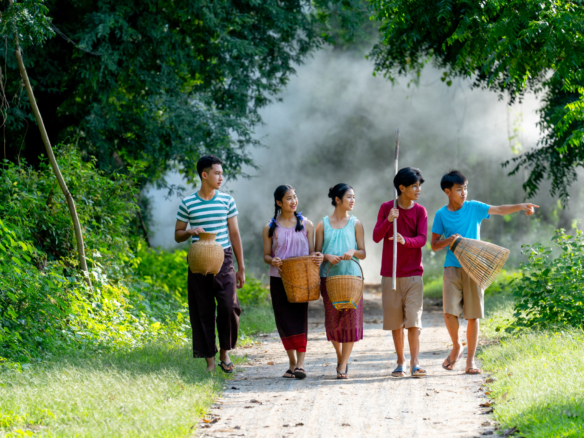
For many expat families in Indonesia, one of the most fascinating transformations happens quietly over time. Children who once stood out as obvious foreigners slowly begin to absorb the rhythm of local life the language, the humor, the food, even the mindset.
At first, everything feels unfamiliar. Then suddenly, your child corrects your pronunciation in Bahasa Indonesia. And that’s when you realize: they’re adapting faster than you are.
Language: The First Cultural Breakthrough
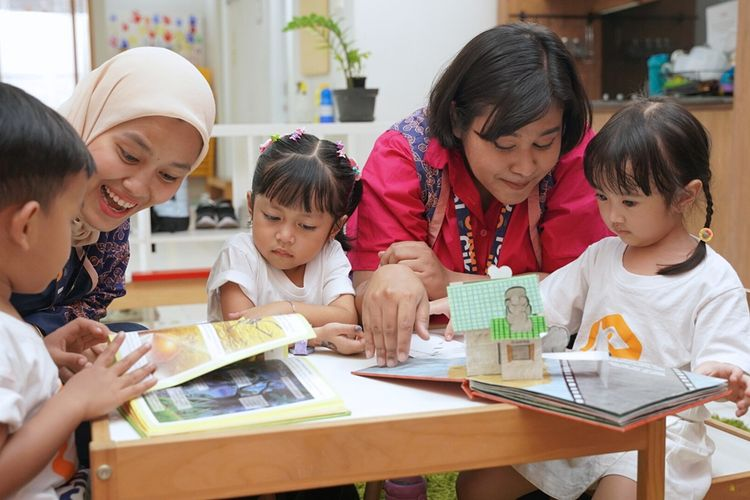
Children adapt through language before anything else. Living in Indonesia, they hear Bahasa Indonesia at school, on the playground, from drivers, helpers, shopkeepers, and neighbors.
Before long:
- They switch between English and Bahasa effortlessly
- They understand local slang and expressions
- They become the family’s unofficial translator
It’s not unusual to hear a sentence that blends both languages in one breath. That mix isn’t confusion. It’s integration.
Language gives children access not just to conversation, but to connection. It allows them to build friendships beyond the expat bubble and feel part of everyday life.
Daily Life: Adapting to Local Norms
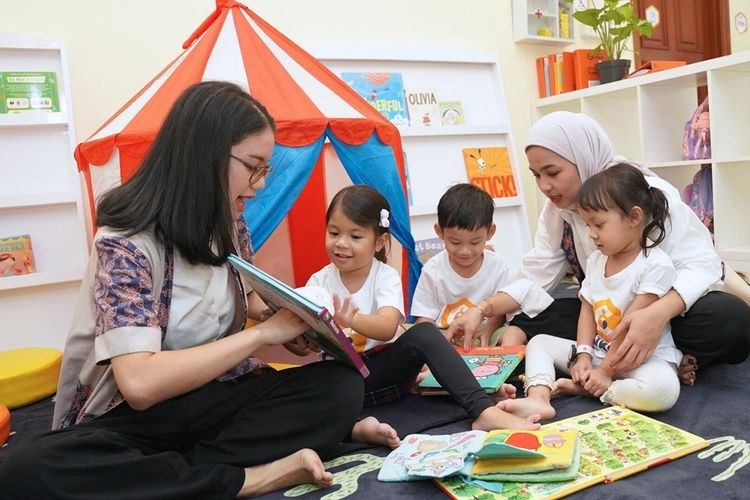
Cultural adaptation goes beyond vocabulary.
Children begin to understand social cues that adults sometimes struggle with:
- Greeting elders respectfully
- Adjusting to flexible concepts of time
- Participating in local school traditions
- Embracing communal activities
Food is another powerful bridge. Many expat kids quickly develop a taste for nasi goreng, mie ayam, or local snacks sold near school gates. What once seemed unfamiliar becomes comfort food.
Of course, adaptation is rarely linear. Some children resist certain aspects strict classroom structures, unfamiliar rules, or social hierarchies that feel different from what they knew before. That resistance is part of identity formation.
Living Between Two Worlds
Growing up abroad creates a unique identity. Children raised in Indonesia by international families often exist between cultures.
They may feel:
- Too international when visiting their passport country
- Still visibly foreign in Indonesia
- More adaptable than peers in either place
This in-between space can feel confusing at times. But it also creates resilience.
Over time, many children raised abroad develop:
- Strong cross-cultural awareness
- Emotional intelligence
- Comfort in diverse environments
- A broader worldview
They don’t just learn a new culture. They learn how to navigate difference itself.
The Role of Parents
Parents play a crucial role in shaping how this journey unfolds.
Supporting children abroad often means:
- Encouraging them to learn the local language
- Helping them build both local and international friendships
- Maintaining traditions from home
- Talking openly about cultural differences
The goal is not assimilation. It’s balance.
Children thrive when they feel secure in their roots while being open to their surroundings.
Why Location and Community Matter
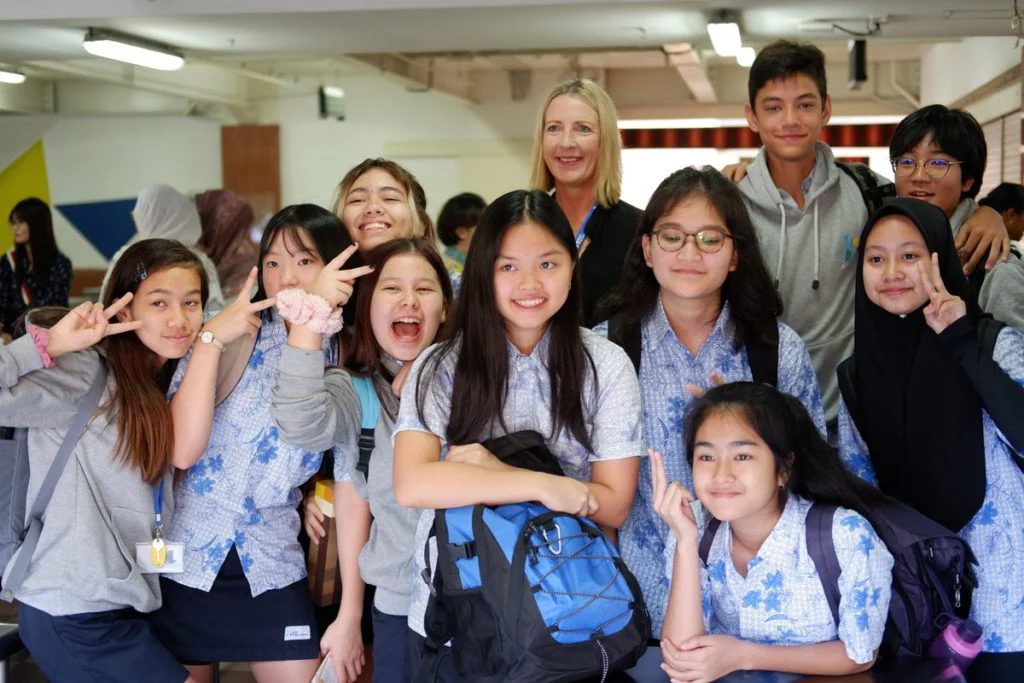
Where you live can significantly impact how your child adapts.
Neighborhoods close to international schools, community hubs, parks, and family-friendly facilities make integration smoother. Access to diverse communities both local and international gives children more social flexibility.
For families relocating to Jakarta or Bali, housing decisions often go beyond square meters and rental price. They influence school commute, peer exposure, and daily lifestyle patterns that shape a child’s sense of belonging.
Raising Third-Culture Kids in Indonesia
Children raised abroad are often called “third-culture kids.” They don’t belong to just one culture. They build their own.
Indonesia, with its warmth, diversity, and strong community values, offers a unique environment for this growth. Kids raised here often develop adaptability that stays with them for life.
They learn to listen more carefully. Observe more closely. Respect difference. And move comfortably between worlds.
That is not just cultural exposure. It is long-term perspective.
Starting Your Family’s Chapter in Indonesia
Relocating as a family requires thoughtful planning from choosing the right neighborhood to understanding school options and daily logistics.
At Noble Asia, we support families through every stage of relocation, helping them find homes that align with education access, community integration, and long-term lifestyle comfort.
Because when children feel at home, everything else follows.
Explore family-friendly living options at:
📩 connect@nobleasia.id
📞 WhatsApp: +62 813 1668 5505