Relocating to Jakarta whether you’re staying in Sudirman, Thamrin, SCBD, or Kemang requires completing a few essential administrative steps. Among them, two documents like SKTT and eKTP are absolutely mandatory for foreigners living in Indonesia:
- SKTT (Surat Keterangan Tempat Tinggal) for KITAS holders
- e-KTP Orang Asing for KITAP holders
These documents are not mere formalities. They provide you with NIK (Nomor Induk Kependudukan), the national identification number used for banking, utilities, insurance, school enrollment, and nearly every administrative interaction in Indonesia.
Source: detik.com
This article presents the most accurate, government-aligned version of the rules based on current Indonesian population administration laws, Jakarta’s Disdukcapil (Dukcapil) procedures, and updated expat cases.
What Are SKTT and e-KTP Orang Asing?
Under Permendagri No. 108/2019, all foreigners holding a valid stay permit (Izin Tinggal) must be registered in Indonesia’s population administration system.
This registration results in one of two documents:
SKTT: Surat Keterangan Tempat Tinggal
The SKTT (Surat Keterangan Tempat Tinggal) is a residency certificate issued by Disdukcapil and serves as official proof of your address in Jakarta. It is required for all KITAS holders whether you’re here for work, family, or retirement. The SKTT is crucial because it provides your NIK, Indonesia’s national identification number. Without a NIK, you aren’t recognized in many administrative systems, making daily tasks like banking, utilities, and government services difficult or impossible.
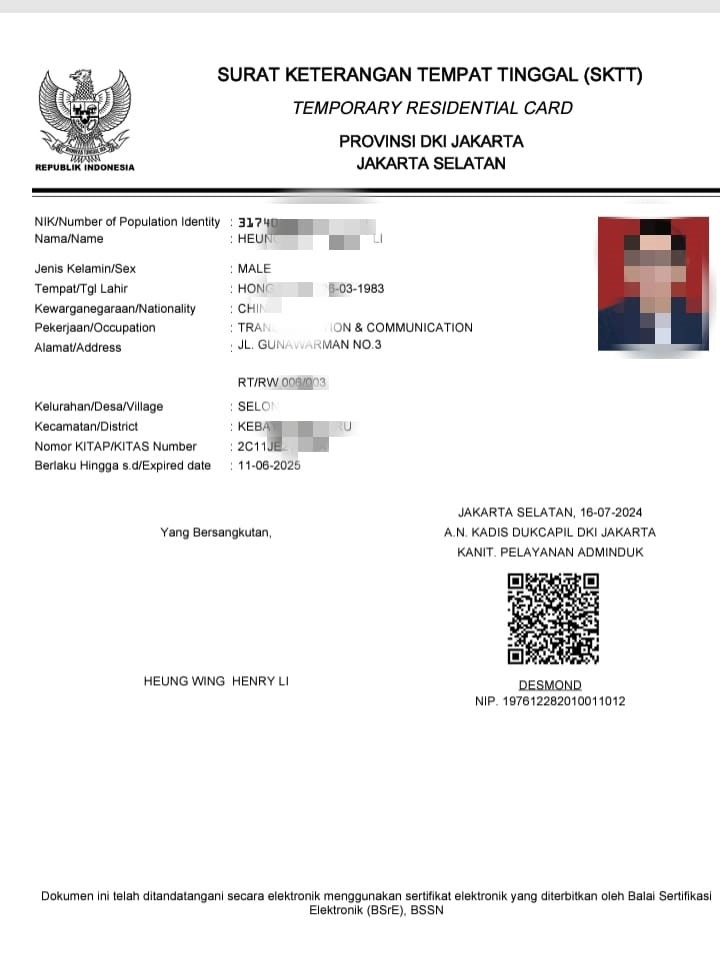
Source: wiki ambisius
Required for: KITAS holders (Temporary Stay Permit)
Issued by: Disdukcapil (Civil Registry Office)
Purpose:
- Records your residential address
- Assigns a temporary NIK
- Serves as your official ID alongside passport & KITAS
Legal deadline: You must apply within 14 days of receiving your KITAS.
e-KTP Orang Asing (Foreign Resident Electronic ID)
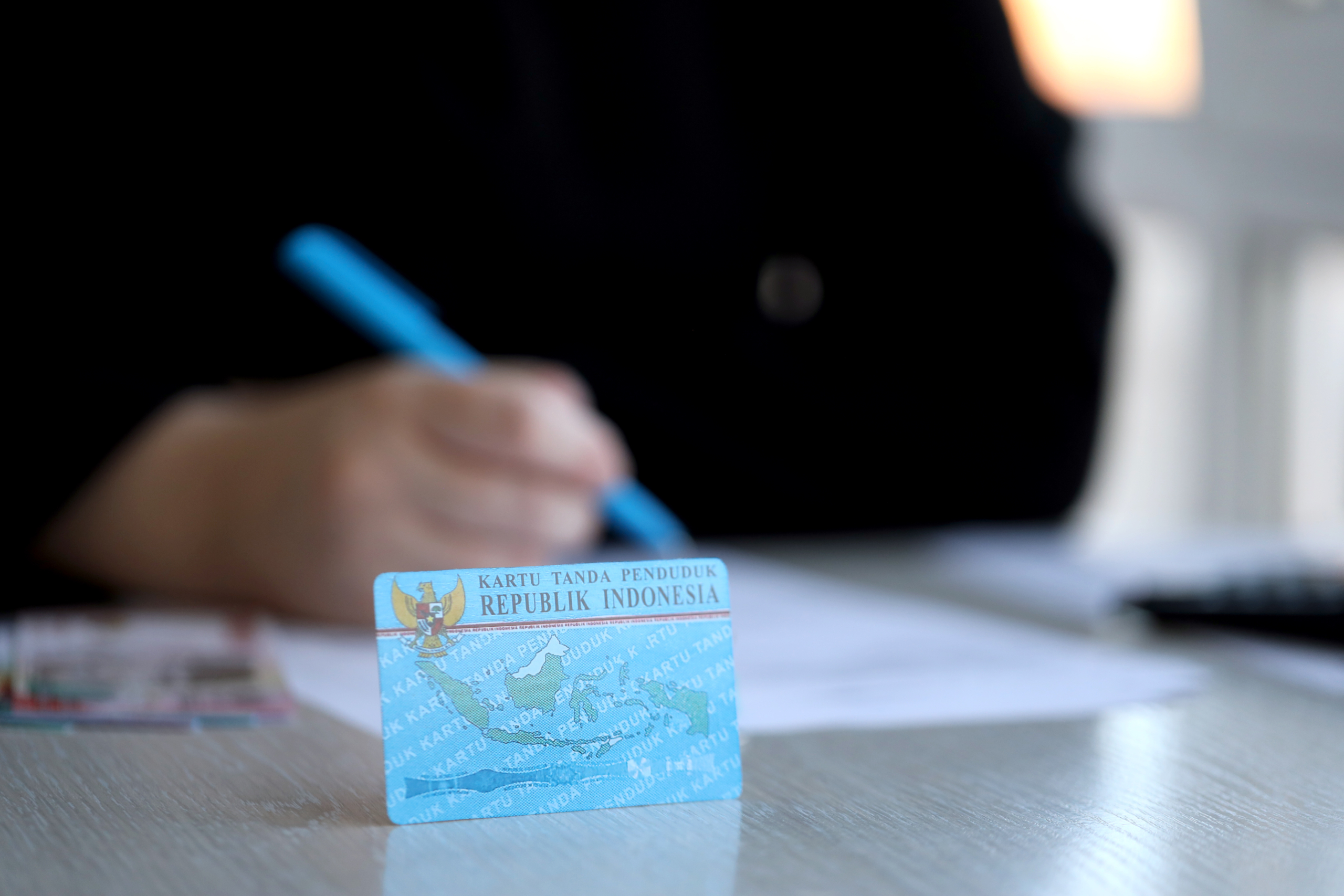
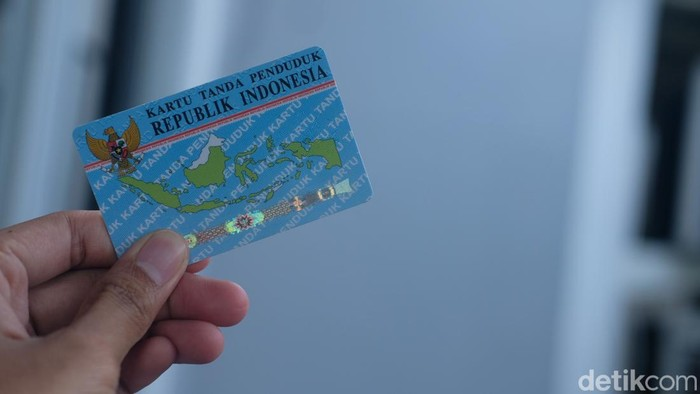
The e-KTP Orang Asing is the electronic ID card required for KITAP holders (permanent residents). Unlike the SKTT, it includes a biometric chip that stores fingerprints and facial data, similar to the Indonesian citizen e-KTP.
It also carries your permanent NIK, giving you broader access to government services, social security programs, and long-term administrative processes. For foreigners planning to stay in Indonesia long term, the e-KTP becomes their primary ID alongside their passport.
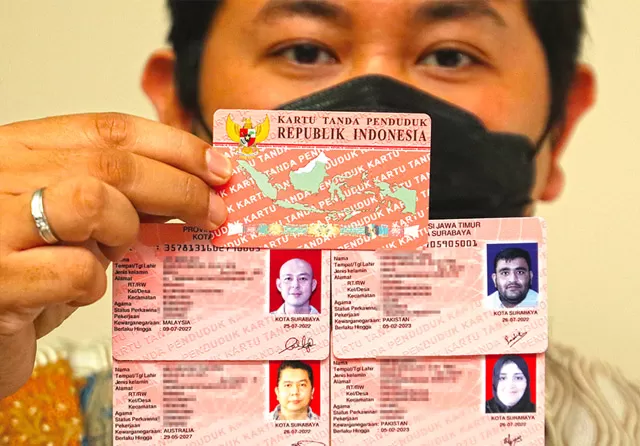
Source: jawapos
Required for: KITAP holders (Permanent Stay Permit)
Includes:
- Permanent NIK
- Biometric chip (fingerprints, face scan, iris scan)
This card functions similarly to the Indonesian citizen e-KTP but is designated exclusively for permanent resident foreigners.
KITAS vs KITAP Requirements
Here’s the simple breakdown you need to remember:
- Hold KITAS? → You must obtain SKTT
- Hold KITAP? → You must obtain e-KTP Orang Asing
It’s not a choice, it’s a legal requirement tied directly to your immigration status. We often see expats confused about which document they need, so always check your permit type first. Your KITAS is typically valid for one year (renewable), while KITAP is valid for five years and indicates permanent residency status.
Also Read: 10 Things To Know Before Renting a Home In Jakarta
Why These Documents Matter for Expats (Based on Real Requirements in Indonesia)
Many newcomers assume their passport is enough until they try to register for basic services. Here’s what Indonesian law and service providers require in practice:
2.1 Banking & Financial Services
Opening a bank account is usually the first point where expats realize they need an SKTT or e-KTP. Banks must verify both identity and residency, and these documents provide the NIK required to register you in their system. Without a NIK, you can’t fully use Indonesian banking services and may face high international transfer fees.
Source: wikipedia
A NIK is also mandatory for credit cards, loans, and investment products. While some international banks offer limited accounts with just a passport, they come with restrictions. Additionally, services like PayPal, e-wallets, and some online platforms require NIK verification. Having an SKTT or e-KTP eliminates all these issues.
Banks such as BCA, Mandiri, BNI, CIMB Niaga, and DBS require:
- SKTT (KITAS holders), or
- e-KTP Orang Asing (KITAP holders)
Because:
- Banks must record your NIK.
- Indonesian AML (anti–money laundering) rules require a registered address.
- Digital services (mobile banking, e-wallets) require a verified NIK.
➡ Without SKTT/e-KTP, most banks will not open a full account.
2.2 Electricity, Internet, and Mobile Providers
When you move into a new home in Jakarta, utility providers like PLN will ask for your SKTT or e-KTP before putting electricity or other services under your name. Internet providers such as IndiHome, Biznet, and MyRepublic also require a NIK for registration, and postpaid mobile plans do as well. While landlords may handle utilities for you, having accounts in your own name gives you more control.
Even basic services like GoSend address verification, gym memberships, or club registrations often require SKTT or e-KTP, making these documents essential for daily life in Indonesia.
PLN, Biznet, First Media, IndiHome, XL Prioritas, and Telkomsel all require:
- NIK
- Proof of residence (SKTT or e-KTP)
2.3 Visa Renewal, NPWP, BPJS, and School Admissions
Having an SKTT or e-KTP isn’t just practical, it’s a legal requirement for foreigners in Indonesia. It proves your registered address and helps avoid complications during visa renewals or KITAP applications. Immigration may check whether you’re properly registered with the civil registry.
For families, most international schools require proof of parents’ legal residency, which these documents provide. Your NIK is also needed for BPJS registration, obtaining an NPWP (tax number), and accessing various government services.
These government systems require your NIK to be active:
- NPWP (tax number)
- BPJS (national health/social insurance)
- School registration
- Visa extension or change of status (e.g., KITAS → KITAP)
If your NIK isn’t registered correctly, immigration and tax offices may reject applications.
Required Documents for SKTT and e-KTP Orang Asing
Requirements vary slightly by district, but all follow the same legal foundation.
Documents Required for SKTT (KITAS holders)
Mandatory:
- Passport (original + copy)
- KITAS (original + copy)
- Stay permit stamp from immigration
- Rental contract OR domicile letter from building management
- RT/RW letter (required in neighborhoods; usually not required for serviced apartments or commercial towers)
- Sponsor letter (from employer or Indonesian spouse)
- Passport photos (4×6 cm)
- Completed SKTT application form from Disdukcapil
Legal basis: Permendagri 108/2019; Dukcapil DKI Jakarta service standards.
Pro tip from our experience: Make multiple copies of everything. Offices sometimes ask for additional sets, and it’s better to have extras than to run to the nearest photocopy shop in the middle of your appointment.
Documents Required for e-KTP Orang Asing (KITAP holders)
The e-KTP process is more involved because it includes biometric data collection. Here’s what you need:
Mandatory:
- Valid passport (original and photocopy)
- Valid KITAP card (original and photocopy)
- Your existing SKTT or a new domicile letter proving your current address
- Family Card (KK Orang Asing), if applicable
- Biometric recording (fingerprints, face, iris)
- Completed form from Disdukcapil
Note: Unlike the SKTT, the e-KTP must be collected in person because it requires mandatory biometric recording fingerprints, iris scans, and a digital photo. This step cannot be skipped or delegated, as the biometric feature is the core function of the e-KTP. The applicant must appear in person for biometrics no exceptions.
Application Process (Updated for 2026 Procedures)
Jakarta now uses digital pre-registration in many districts, but final processing remains in person.
Step 1: Confirm KITAS/KITAP Is Issued
You cannot apply for SKTT/e-KTP before your stay permit is active in the immigration system.
Step 2: Prepare All Required Documents
In Jakarta, incomplete documents are the #1 cause of delays.
Step 3: Apply Online (if available) or Walk-In
Search:
“Disdukcapil + [your district]”
Example: Disdukcapil Jakarta Selatan Layanan Online
Online portals typically allow you to:
- upload scanned documents
- take an appointment
- generate a registration code
Not all districts use the same portal Jakarta Barat, Pusat, Selatan, and Timur operate differently.
Step 4: Attend Verification & Biometric Recording
SKTT:
- officer checks documents
- photo taken on-site
e-KTP:
- fingerprints (10 fingers)
- iris/retina scan
- face capture
- electronic signature
Step 5: Processing Time
- SKTT: 3–14 working days
- e-KTP Orang Asing: 7–21 working days (chip production may take longer)
Step 6: Collect Your Document
SKTT may be collected by a representative. e-KTP must be collected in person.
Common Problems Expats Face
Problem 1: Address Mismatch
Even “Street” vs. “St.” or missing RT/RW numbers can cause a mismatch. Indonesia requires identical spelling across:
- passport
- KITAS/KITAP
- rental contract
- SKTT/e-KTP form
Problem 2: NIK Verification Failure
Banks and government systems may reject your NIK if:
- your data was entered incorrectly
- your biometrics are incomplete
- immigration and Disdukcapil records differ
Correction must be requested at the Disdukcapil office.
Problem 3: Changing Address (District to District)
Indonesia treats address changes as a restart of civil registration.
If moving:
- SCBD (Central Jakarta) → Kemang (South Jakarta)
You must cancel the old SKTT and apply for a new one in the new district.
What the Law Says (Summarized for Expats)
According to Permendagri No. 108/2019, all foreigners with legal stay permits must:
- register at Disdukcapil
- obtain SKTT (KITAS) or e-KTP Orang Asing (KITAP)
- update the document when moving residence
- renew the document when the permit expires
Failure to register may cause problems in:
- immigration renewals
- access to financial services
- access to government services
How Noble Asia Helps Expats Settle Smoothly in Jakarta
Getting your documents right the first time saves you hours of frustration. We’ve helped hundreds of expats through this process, and we can tell you that incomplete documentation is the number one reason for delays and rejections.
Getting SKTT or e-KTP Orang Asing is a legal requirement and a practical necessity for living in Indonesia.
If you want a clear, compliant, and stress-free experience, Noble Asia can manage:
- Documentation
- Submission
- Follow-up
- Banking & utility setup
- Home search and relocation
We know that reading about all these requirements and potential challenges might feel overwhelming. That’s exactly why relocation services exist to handle the complexity so you can focus on settling into your new life in Jakarta.
Noble Asia specializes in expat onboarding and relocation services throughout Jakarta, with deep expertise in the SCBD, Sudirman, Thamrin, Kemang, and Pondok Indah areas. Here’s how we help:
Document Preparation & Submission: We review your documents before you visit the office, ensuring everything is complete and correct. We prepare all necessary forms, coordinate with your building management for domicile letters, and handle the RT/RW letter process. On application day, we accompany you to the Civil Registry office, communicate with officers in Indonesian, and ensure your application is submitted properly.
Follow-Up & Collection: After submission, we track your application status, follow up with the Civil Registry office, and collect your completed SKTT or e-KTP card on your behalf (for SKTT remember, e-KTP requires personal collection due to biometrics).
Banking & Utilities Setup: Once you have your SKTT or e-KTP, we assist with opening bank accounts, setting up electricity and water accounts in your name, registering internet service, and getting postpaid mobile plans, all the essential services that require your NIK.
Housing Support: Whether you’re looking for a luxury apartment in SCBD’s modern towers, a serviced apartment in Sudirman, a compound house in Kemang, or anything in between, we help you find the perfect home. Our property advisory includes viewings, lease negotiations, and moving coordination.
Long-Term Support: Our relationship doesn’t end when you get your documents. We provide ongoing support for visa renewals, address changes, family relocations, and any administrative needs that arise during your time in Jakarta.
The value of using a service like Noble Asia? Time, stress reduction, and accuracy. Instead of spending days figuring out the system, making multiple trips due to missing documents, and struggling with language barriers, you get it done right the first time.
A trusted housing agent in Indonesia ensures every step of your relocation is handled smoothly, from property search to move-in support.
📩 connect@nobleasia.id
📞 WhatsApp: +62 813 1668 5505
FAQ
1. Is SKTT mandatory for KITAS holders?
Yes. Required by Permendagri 108/2019.
2. Does e-KTP Orang Asing replace SKTT?
Yes, for KITAP holders only.
3. Can I open a bank account without SKTT/e-KTP?
No. Banks legally require a NIK connected to SKTT/e-KTP.
4. What happens if I move homes?
You must update SKTT/e-KTP. New district = new document.
5. Are SKTT and e-KTP free?
Yes, the government does not charge for printing the documents.
(Some districts may charge administrative convenience fees.)